The current hysteria around ultra-processed foods (UPF) has made a trip to the supermarket feel like navigating a minefield, with every barcode scan supposedly shortening your life.
We’re being told to bin anything with an ingredient we can’t pronounce, but such an all or nothing approach ignores the fact that some processing is actually useful. While a neon-coloured fizzy drink is obviously a different beast to a tin of baked beans or a fortified loaf of bread, the broad UPF label lumps them all into the same bucket of “poison.”
All this nutritional panic is making our lives unnecessarily difficult, especially for anyone trying to eat healthily on a budget or a tight schedule. It turns out that a handful of these so-called “processed” staples are perfectly fine—and in some cases, even better for you—than their raw alternatives. Before you clear out your pantry in a fit of wellness-induced guilt, these are some of the convenience foods actually worth keeping in the rotation.
Understanding the problem with the UPF label is important.

The main classification system used to define ultra-processed foods, known as NOVA, groups products by how industrially they’ve been made rather than by their actual nutritional content. That means a can of baked beans, a tub of plain yogurt, and a bag of cheese puffs can all technically land in the same category.
Researchers at the National Academy of Medicine made this point directly in 2025, with one stating that the UPF definition itself doesn’t really determine whether a food is healthy or unhealthy. The Dietary Guidelines Advisory Committee, after two years of reviewing the evidence, concluded the definitions and research on UPFs were too inconsistent to make firm categorical recommendations. That’s not a green light to eat whatever you want, but it is a sign that nuance matters here.
Wholegrain bread

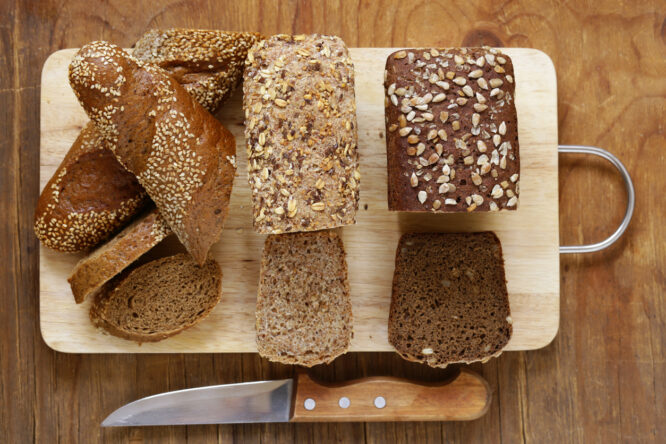
Commercially packaged wholegrain bread technically counts as ultra-processed because it contains emulsifiers and other additives not typical of home baking. But public health researchers at Johns Hopkins point out that wholegrain breads have consistently lower levels of saturated fat and added sugars while delivering impressive nutritional benefit.
Harvard’s nutrition researchers have gone further, noting that fibre-containing, low-sugar cereals and wholegrain breads have been linked to lower rates of stroke. The fact that a supermarket loaf shares a category with a bag of crisps is a flaw in the classification system, not a reason to switch to white bread or stop eating bread at all.
Plain and lightly flavoured yogurt

Yogurt containing live cultures is one of the more straightforward cases where the UPF label causes confusion. Many yogurts, including some flavoured ones, fall under the ultra-processed definition due to added thickeners or fruit preparations. But the British Heart Foundation specifically names yogurt as one of the UPFs worth keeping in your diet, provided it isn’t loaded with added sugar or sweeteners.
The live bacterial cultures in yogurt support gut health, and there’s reasonable evidence linking regular consumption to reduced risk of type 2 diabetes. A flavoured yogurt with real fruit and modest sugar is not the same health risk as a fizzy drink, regardless of what category it sits in.
Tinned fish
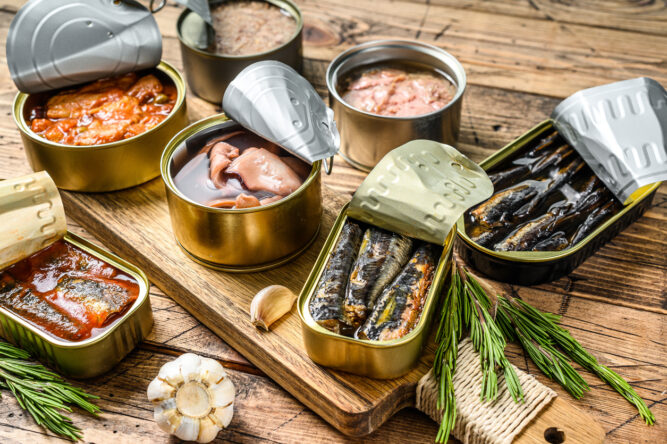
Canned sardines, mackerel, tuna, and salmon are sometimes listed as processed rather than ultra-processed, but depending on the brand and additives, they can cross the line. Either way, they remain one of the most affordable and accessible sources of omega-3 fatty acids, protein, and vitamin D available.
Stanford Medicine’s nutritionists note that canned fish falls broadly into the processed category rather than ultra-processed under most definitions, but the broader point holds even where it doesn’t. The nutritional profile of tinned sardines in olive oil is so strong that worrying about where it sits on the NOVA scale is a distraction from what matters.
Baked beans
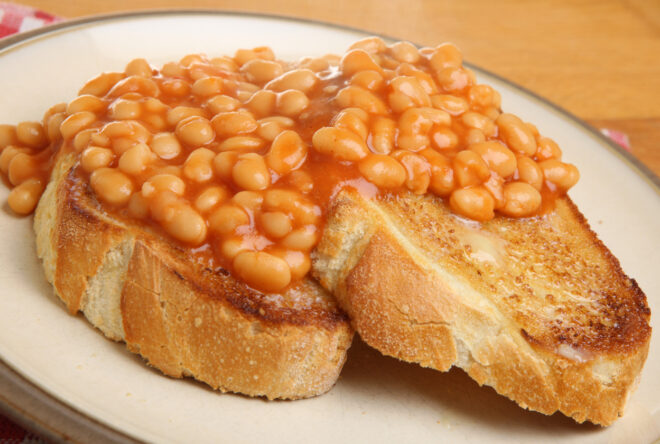
A staple of British households and a genuine nutritional case study in the UPF debate. Johns Hopkins researchers specifically called out baked beans as an example of an ultra-processed food that contains protein, fibre, iron, and potassium, and where consumption has been shown to support heart health, improve digestive health through fibre, and help stabilise blood sugar.
The tomato sauce, sugar content, and additives technically push them into ultra-processed territory. But nutritionists consistently identify them as one of the better choices in that category, particularly as a cheap, shelf-stable protein source.
Soy milk and dairy alternatives

Plant-based milks are ultra-processed. They contain emulsifiers, stabilisers, and fortified vitamins that don’t appear in home cooking. They’re also, for people who are lactose intolerant, allergic to dairy, or choosing to reduce animal products, a practical and nutritious option.
Researchers at Johns Hopkins specifically named soy milk as a UPF that can be beneficial, and the fortification of these products with calcium and vitamin D means they can closely match the nutritional profile of regular milk. The additives that push them into the ultra-processed category aren’t the harmful kind that research is most concerned with.
High-fibre breakfast cereals
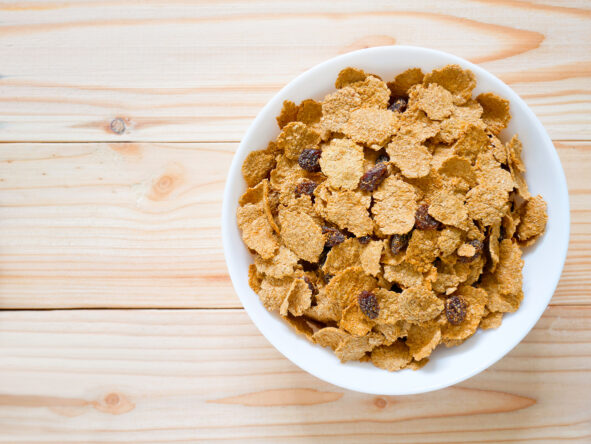
This one requires some label-reading because the category is wide. Many breakfast cereals are exactly what critics of UPFs describe: refined, sweetened, nutritionally hollow products designed to be irresistible. But fibre-rich cereals with minimal added sugar, such as plain porridge oats, bran flakes, or shredded wheat, sit in a different nutritional position despite landing in the same ultra-processed bracket.
Harvard’s nutrition researchers note that these products have been linked to lower stroke rates. The issue is added sugar, refined carbohydrates, and artificial flavourings, not the existence of some processing. A bowl of low-sugar bran flakes with milk is not the same risk as a bowl of frosted loops.
Meat alternatives with a decent nutritional profile

Plant-based meat substitutes are almost always ultra-processed, and some of them are nutritionally poor in ways that match the worst of the category. However, others are high in protein, fibre, and micronutrients while being lower in saturated fat than the meat they replace.
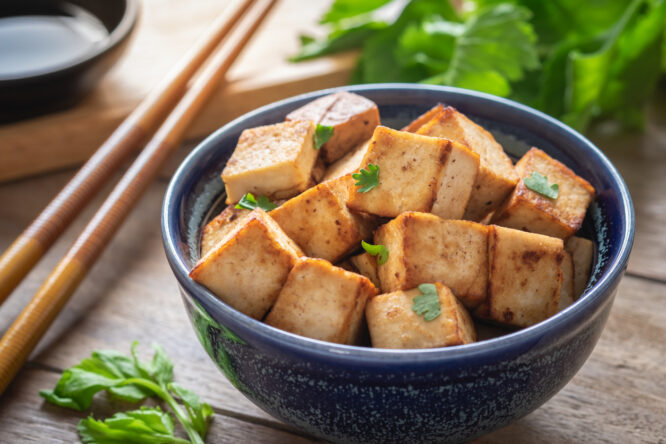
The American Heart Association’s 2025 science advisory acknowledged that identifying high-risk UPF subgroups is essential, rather than treating all ultra-processed foods as equally problematic. A tofu-based burger with a straightforward ingredient list is a different proposition to a heavily engineered product designed to simulate the exact texture and flavour of beef through a list of fifteen additives.
What actually matters more than the label

The research that is genuinely alarming focuses on foods high in added sugar, refined carbohydrates, sodium, and saturated fat that are engineered to override satiety signals and encourage overeating. Clinical trials have shown that diets heavy in this kind of ultra-processed food lead people to consume significantly more calories, even when the macro content looks similar on paper, and that’s the real concern.
A food that is technically ultra-processed but nutritionally dense, high in fibre, modest in sugar, and not designed to be compulsively eaten is a different category of risk entirely. The label is a useful starting point, but it was never meant to be the whole story.