Two of the UK’s biggest supermarket chains are heading into a legal battle that could permanently change how much a shift on the shop floor is actually worth.

Thousands of workers, mostly women, are taking Tesco and Morrisons to an employment tribunal, arguing they’ve been unfairly paid less than their colleagues in the warehouses for years. The supermarkets have long maintained that the roles aren’t comparable, but the claimants insist the value of the work is identical.
If the courts agree that a checkout assistant should be on the same hourly rate as a forklift driver, it won’t just be a win for the staff involved; it’ll trigger a multi-billion pound bill that could force a total rethink of how the retail industry handles its payroll. This isn’t just about a bit of back pay; it’s a direct challenge to the gendered way we’ve valued different types of labour for decades.
Thousands of supermarket workers say the system isn’t fair.

The heart of the dispute is the pay gap between shop floor staff and distribution centre workers. Store roles, which are largely filled by women, have historically been paid less than warehouse roles, which tend to be male-dominated. Workers bringing the claims argue that, while the jobs are different on the surface, they should still be considered equal in terms of the overall demands placed on them.
The argument focuses on the idea of equal value rather than identical duties. Shop floor roles involve customer service, stock handling, problem-solving, and responsibility for daily operations, while warehouse roles are often physically demanding and structured differently. The legal question is whether those differences justify the pay gap, or whether they reflect outdated assumptions about which roles deserve higher wages.
The legal battle has reached a critical stage.

These cases have been building for years, moving slowly through different legal stages before reaching this point. Earlier rulings already established that store workers could compare themselves to distribution staff, which was a major step forward for the claimants. That decision alone opened the door for the cases to continue at scale.
Now the focus has moved to whether the pay differences can be justified by what’s known as a “material factor defence.” In simple terms, Tesco and Morrisons must show that the gap exists for legitimate reasons that are not related to gender. This could include factors like market rates, job location, or operational differences, but those arguments will now be tested in detail.
This stage could decide everything.

This part of the tribunal is widely seen as the turning point. If the supermarkets can successfully prove their defence, the claims could be considerably weakened. However, if they fail to justify the pay gap, the cases move much closer to a final outcome in favour of the workers.
What makes this stage so important is that it goes beyond theory. It forces both sides to present detailed evidence about how jobs are structured, how pay is decided, and whether those systems still hold up under current equality laws. The decision here will shape what happens next, not just for these cases, but for similar disputes across the sector.
The scale of the claims and what workers could receive if successful
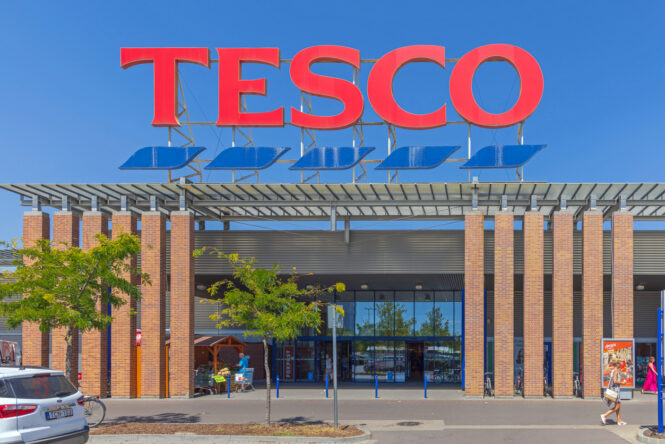
The number of people involved in the claim is considerable. Tesco’s case alone includes more than 60,000 current and former employees, making it one of the largest equal pay claims in UK history. Morrisons is facing thousands of claims as well, with legal action continuing to grow as more workers join.
If the claims succeed, the financial impact could be substantial. Workers may be entitled to back pay covering several years, potentially up to six years in some cases. When multiplied across tens of thousands of employees, that could result in payouts running into the hundreds of millions or even higher, depending on how the final rulings play out.
Supermarkets say the pay difference exists for a reason.
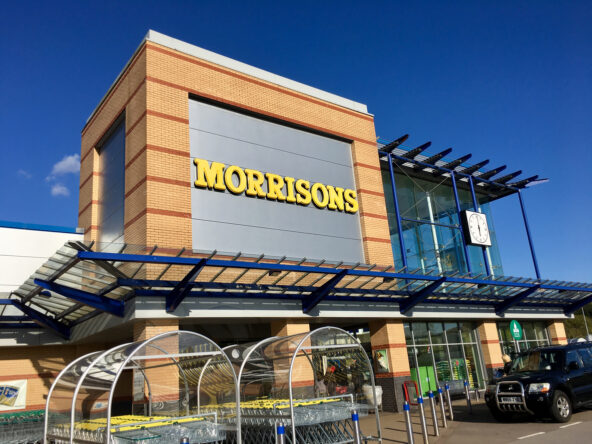
From the companies’ perspective, the argument is that store and warehouse roles are not directly comparable. They point to differences in working conditions, physical demands, scheduling, and the wider logistics involved in running large distribution networks. These factors, they argue, justify the difference in pay.
They may also highlight market pressures, where warehouse roles have historically required higher wages to attract staff, especially in competitive labour markets. The tribunal will need to decide whether those explanations are enough to meet the legal threshold, or whether they fall short under equal pay laws.
How this case fits into a wider pattern across retail

This isn’t an isolated dispute. Similar claims have already been brought against other major retailers, including Asda, Sainsbury’s, and Next. In some cases, courts have ruled in favour of workers, reinforcing the idea that store roles can be compared to warehouse jobs for equal pay purposes.
That pattern is part of why this case matters so much. Each ruling builds on the last, gradually shaping how equal pay law is applied in practice. A decision against Tesco or Morrisons could strengthen the position of workers across the industry, leading to further claims and increased pressure on employers to review pay structures.
There’s a broader issue behind the legal arguments.

At a deeper level, the case reflects long-standing questions about how different types of work are valued. Roles that involve customer-facing responsibilities and day-to-day operations have often been paid less than those tied to logistics and distribution, even when both are essential to the business.
The legal system is now being asked to decide whether those differences still make sense in today’s environment. It’s not just about individual pay packets, it’s about whether traditional pay structures still hold up when viewed through the lens of modern equality laws.
What happens next and when decisions may come

The hearings are expected to run for several weeks, with Tesco’s case continuing into early summer and Morrisons’ stretching further into the year. Decisions are unlikely to be immediate, but the arguments made during this stage will heavily influence the final outcome.
For now, both companies face a detailed examination of how their pay systems work, while workers wait to see whether the long-running claims will finally lead to a resolution. Whatever the result, the impact is likely to go beyond these two supermarkets and shape the direction of equal pay disputes across the UK for years to come.