There’s nothing more frustrating than buying a beautiful, crusty sourdough on a Saturday morning, only to find that it’s turned into a literal brick by Sunday lunchtime.
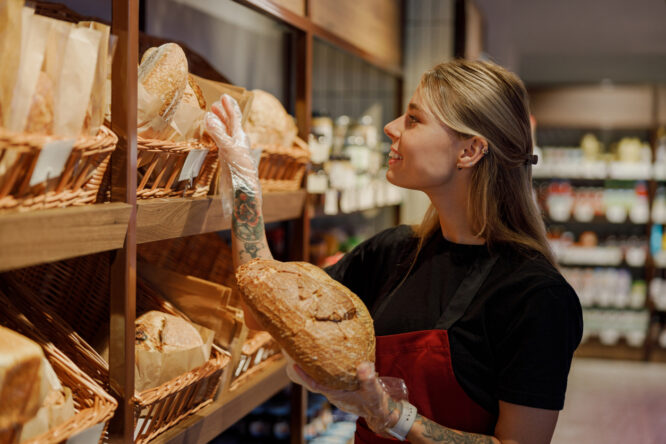
Most of us have tried every trick in the book, from plastic bags that turn the crust into rubber to expensive ceramic bins that don’t seem to do much at all. And yet, we still end up throwing away half a loaf every week. Professional bakers, however, aren’t using magic or preservatives to keep their displays looking perfect; they’re simply working with the science of how moisture moves through dough.
It turns out that the way we’ve been storing our bread at home is often the very thing causing it to go stale before its time. Learning a few simple, industry-standard habits can be the difference between a sad, dry sandwich and a loaf that actually keeps its character for the long haul.
Stop putting bread in the fridge.

This is the big one. The fridge feels like the logical place for anything you want to keep fresh, but bread is genuinely the exception. Cold temperatures speed up the staling process rather than slowing it down. What happens is the starch molecules in bread react to the cold and start to firm up and dry out much faster than they would at room temperature.
That’s why your bread goes from soft to borderline inedible in a fraction of the time it would on the counter. The fridge is brilliant for a lot of things, but bread isn’t one of them. If you’ve been storing it in there and wondering why it goes stale so quickly, this is almost certainly why.
How you slice it is more important than you’d think.
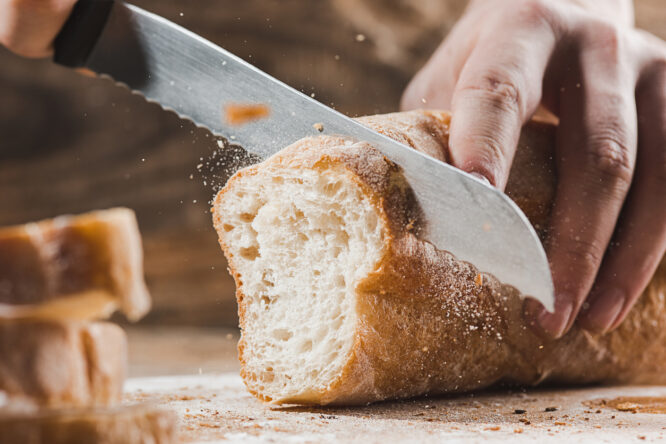
Bakeries that sell whole unsliced loaves will often advise cutting from the middle outwards rather than working from one end. It sounds a bit fussy, but there’s a reason for it. When you slice from the centre, you can press the two cut halves back together after you’ve taken what you need, which seals the exposed crumb and stops it drying out.
If you work from one end, that cut face is always exposed to the air. It’s a tiny habit change that makes a noticeable difference, especially with denser loaves that take a few days to get through.
A bread box actually does what it promises.
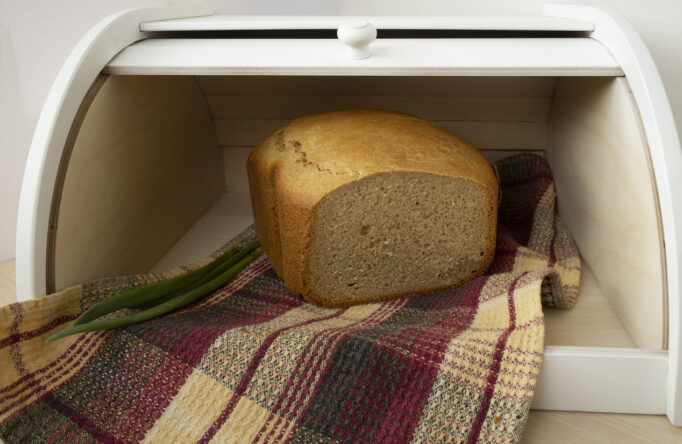
Bread boxes fell out of fashion for a while, but they’ve made a bit of a comeback, and with good reason. The key is that a good bread box is slightly breathable rather than fully airtight. That might sound counterintuitive, but it’s what you actually want.
Fully airtight storage traps all the moisture from the bread inside, and the crust goes soft and a bit rubbery within a day or two. A bread box lets just enough air circulate to keep the crust doing its job while still stopping the inside from drying out. If you eat a lot of crusty bread, a bread box is probably worth having on the counter.
The freezer is the real secret.

This is what professional bakers and serious home bakers rely on most, and it’s genuinely the best method if you’re not going to get through a whole loaf within a couple of days. Slice the bread first, wrap the slices in portions, and freeze them. You can then toast them straight from frozen, and the results are honestly very good.
Heating bread releases the moisture back through the crumb, which is why a toasted frozen slice can taste almost as good as the fresh thing. The mistake most people make is freezing the whole loaf in one go, which means defrosting the lot when you only need a few slices. Portion it before it goes in and you’ll waste a lot less.
Let it cool properly before you store it at all.
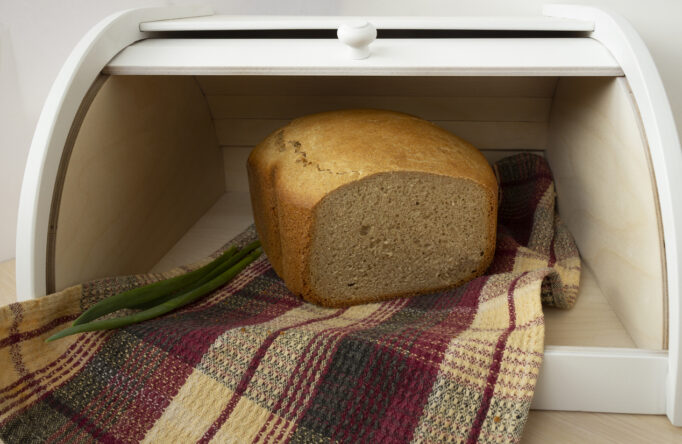
If you bake your own bread or buy it still warm, resist the urge to bag it up straight away. Sealing warm bread traps steam inside and creates a damp environment that encourages mould and makes the texture go gummy. Let it sit on a wire rack until it’s genuinely cool all the way through before you put it away.
It’s worth waiting at least an hour, and for larger or denser loaves, longer is better. Slicing into a warm loaf is tempting and completely understandable, but the inside won’t have fully set yet, and you’ll get a stickier, less satisfying texture than if you’d waited.
Sourdough gives you more time to play with.
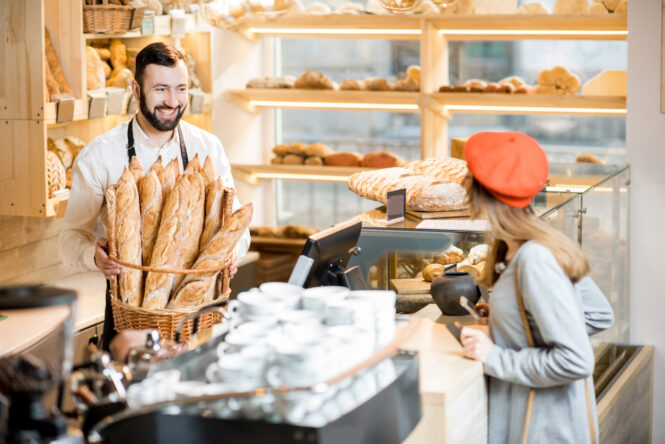
If you buy from an artisan bakery, and you have the choice, sourdough will last noticeably longer than bread made with commercial yeast. The natural acidity produced during fermentation creates conditions that slow down both staling and mould growth.
It’s not magic, it’s just chemistry, and it means you’ve got a day or two longer to work with before things start going downhill. It still benefits from being stored well, but it’s more forgiving than a soft white sandwich loaf, which can turn quite quickly once opened.
Don’t write off bread that’s past its best.

Professional bakers don’t see older bread as a loss, and that’s a mindset change worth making at home. When bread hardens, it isn’t spoiled. The starch is just doing what starch does, which is gradually crystallise and release moisture. A slightly hard slice thrown into a bowl of soup rehydrates beautifully.
A couple of days’ worth of staling bread torn up, tossed in olive oil and baked makes genuinely excellent croutons. Day-old bread makes the best French toast because it soaks up the egg mixture without falling apart. Bread that’s gone properly dry can be blitzed into breadcrumbs and kept in a jar for weeks. The bakery mindset is that bread has a whole life cycle worth using, not a single freshness window to panic about.
Paper bags aren’t as useful as they seem.

It’s tempting to think keeping bread in a paper bag is the artisan-approved choice, and it does look very nice on the counter. But paper lets moisture out quite quickly, which means the bread dries faster than it would in a breathable cloth bag or a bread box. For a baguette you’re eating the same day, fine. For anything you want to keep past 24 hours, paper bags aren’t really up to the job. A clean cotton or linen bag, or a proper bread box, will do a better job of keeping things where they should be.
The main thing bakers understand that most of us don’t is that keeping bread isn’t just about one storage method. It’s about matching the storage to what you actually bought, how quickly you’ll eat it, and accepting that different stages of a loaf’s life are useful in different ways. There’s very little bread worth throwing out if you know what to do with it.