There are times when eating a proper meal just isn’t happening.

That’s becoming more common now for a variety of reasons, but especially with appetite-suppressing weight-loss injections changing how hungry people feel day to day. When your appetite drops, the issue isn’t just eating less, it’s missing out on key nutrients without realising it.
This is where nutrient-dense foods matter more than ever. These are foods that pack in a high amount of vitamins, minerals, protein, and healthy fats for their size. If you’re only managing small portions, those choices need to carry more weight. It’s less about what looks like a balanced plate and more about what actually supports your body in fewer bites.
Eggs are one of the easiest ways to get protein and key nutrients quickly.
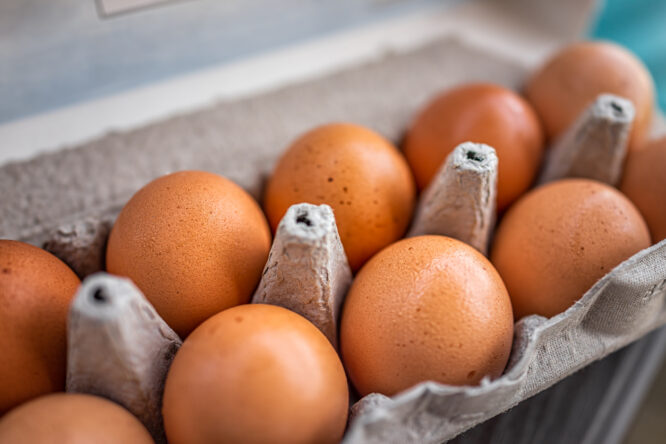
Eggs are often listed as one of the most nutrient-dense foods because they provide high-quality protein along with essential nutrients like B vitamins and choline. When you don’t feel like eating much, that combination becomes really useful.
You don’t need a large portion for them to count. One or two eggs, scrambled or boiled, can be enough to keep your intake steady. They’re simple, easy to eat, and don’t feel like a full meal, which makes them more manageable when appetite is low.
Fatty fish like salmon or sardines give you more in a smaller portion.
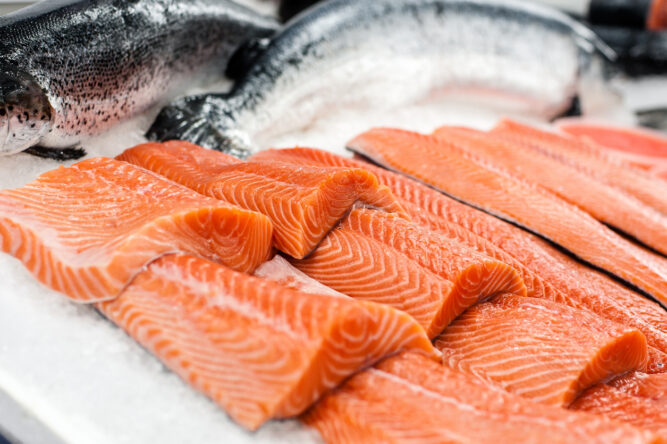
Foods like salmon and sardines stand out because they combine protein with healthy fats and important vitamins. That mix supports energy levels and overall health in a way lighter foods don’t. Even a small portion can make a difference. Tinned fish is especially useful because it’s soft, quick to eat, and doesn’t require much preparation. It’s one of the easiest ways to get a lot of nutrition without needing a large meal.
Leafy greens work best when added into small meals rather than eaten alone.
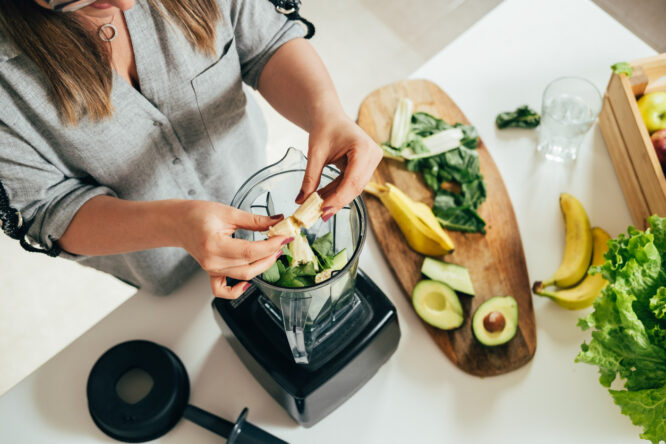
Spinach, kale, and similar greens are packed with vitamins and minerals, but they’re not always appealing when you don’t feel like eating. Trying to force a full salad usually doesn’t work. It’s more practical to add small amounts into something else. Mixing greens into eggs, soups, or smoothies lets you get the benefit without making food feel like effort. It’s a simple way to improve what you’re already eating.
Nuts and seeds help maintain energy without increasing portion size.
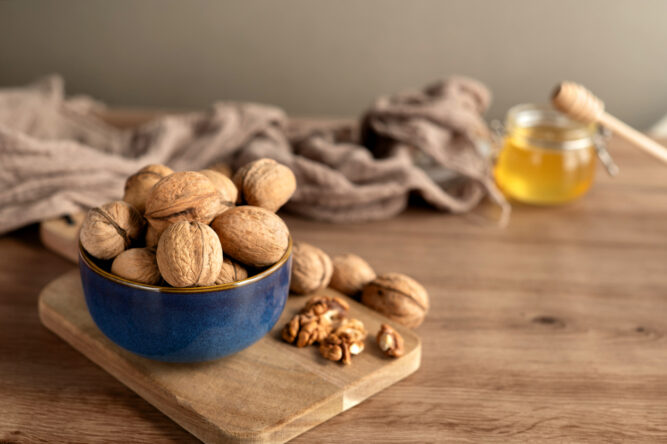
Nuts are a reliable option when you need calories and nutrients in a small space. They contain healthy fats, protein, and minerals, which makes them useful when your overall intake is lower. A small handful or a spoonful of nut butter can lift the value of a snack or light meal without making it feel heavier. That matters when you’re trying to avoid meals that feel too much to handle.
Berries give you something light that still offers nutritional value.
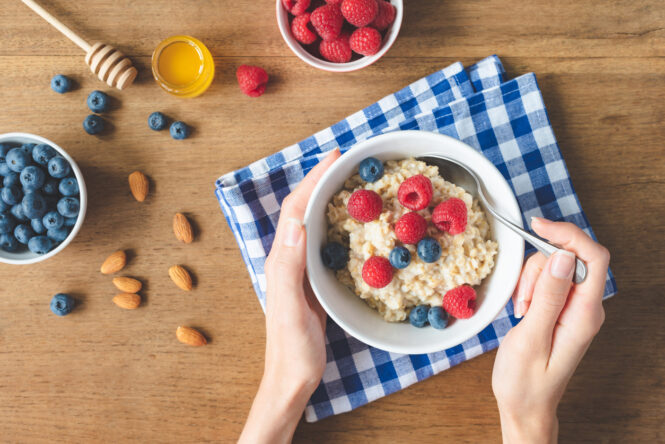
Berries are often highlighted for their vitamins, fibre, and antioxidant content. They’re one of the few foods that feel easy to eat but still contribute something useful. When heavier foods don’t appeal, something like blueberries or strawberries can be a better option than skipping food altogether. They won’t replace a full meal, but they help keep your intake from dropping too low.
Potatoes are more balanced than people expect.
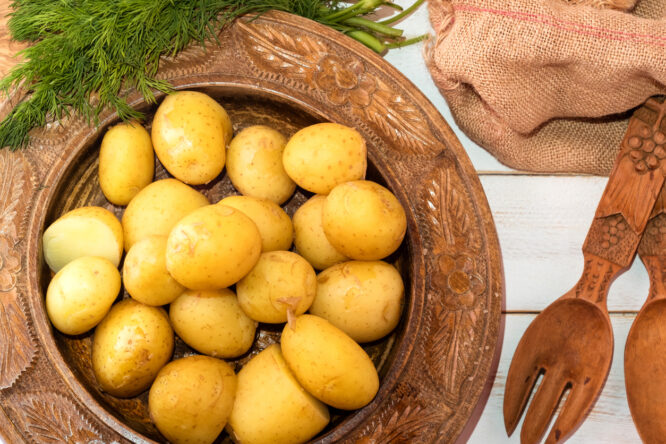
Potatoes are often overlooked, but they provide carbohydrates along with nutrients like potassium and vitamin C. They’re also easy to prepare and tend to be well tolerated when appetite is low. A small portion, such as a baked or boiled potato, can be enough to provide energy without feeling overwhelming. They’re familiar, simple, and often easier to manage than more complex meals.
Shellfish and organ meats are extremely nutrient-dense in small amounts.
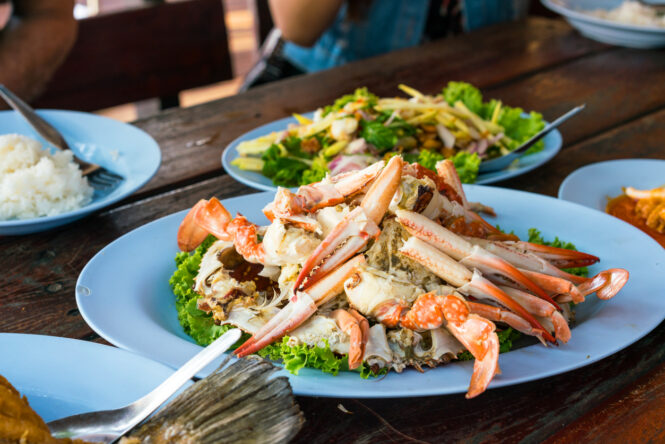
Foods like shellfish and liver are among the most nutrient-rich options available, packed with vitamins and minerals in very small portions. They’re not for everyone, but they show how much nutrition can fit into a small serving. For those who can tolerate them, even a small amount can provide nutrients that are harder to get from other foods. That makes them useful when you’re eating less overall.
Combining small foods often works better than relying on one thing.

When appetite is low, it’s rarely one food that solves the problem. It’s usually a combination of smaller things that together cover protein, fats, and other nutrients. Simple pairings like yoghurt with berries and nuts, eggs with greens, or a smoothie with fruit and nut butter can do more than trying to eat one larger meal. It spreads the effort and makes eating feel more manageable.
The focus transitions from eating more to getting more out of what you eat.

When your appetite drops, trying to stick to normal meal sizes usually doesn’t work. It often leads to skipping food altogether or feeling overwhelmed by the idea of eating. What works better is accepting smaller portions and choosing foods that offer more in return. That way, even when you’re not eating much, your body is still getting what it needs to keep you going.