Dates tend to get labelled as either a superfood or just another sugary snack, but the truth sits somewhere in the middle.
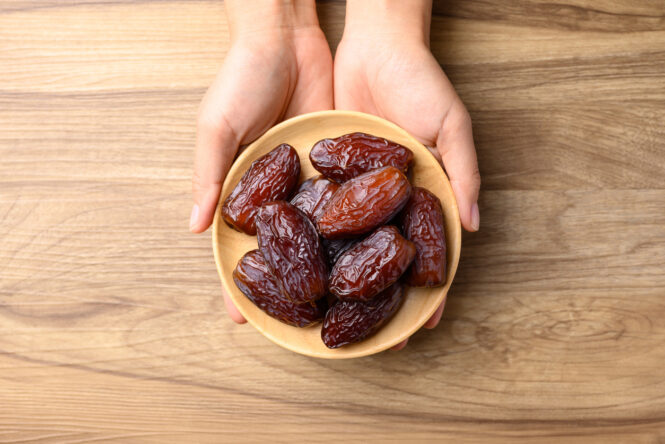
They are naturally high in sugar, so they’re not something you eat without thinking. At the same time, they’re packed with fibre, minerals, and plant compounds that give them a lot more going on than most sweet foods people reach for.
What makes them interesting is how they sit between two worlds. They’re sweet enough to replace desserts or snacks, but they still carry some of the nutritional benefits you’d expect from whole foods. They show up so often in health discussions not because they’re perfect, but because they’re useful in the right context. Here’s what you should know about them.
They’re one of the quickest natural energy sources you can eat.
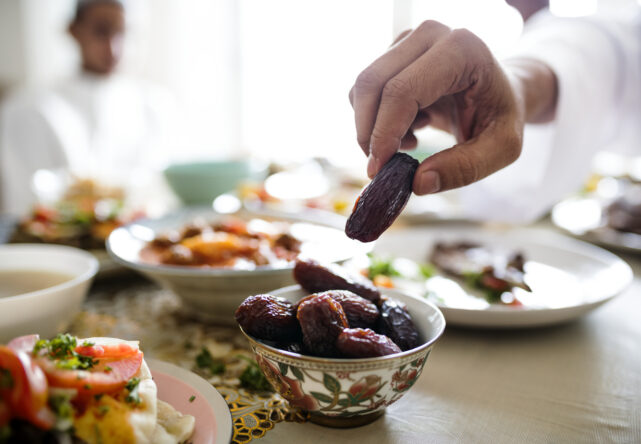
Dates are made up largely of natural sugars like glucose and fructose, which means your body can use them quickly. That’s why they’ve been used for centuries as a fast source of energy, especially in places where fresh food wasn’t always available.
In practical terms, that makes them ideal before exercise, during long days, or when you need something that actually fills you up rather than just giving you a short sugar spike. The difference compared to sweets is that you’re getting energy alongside fibre and nutrients, not just empty calories that disappear quickly.
The fibre content changes how your body handles that sugar.

One of the main reasons dates don’t behave like typical sugary snacks is their fibre content. Fibre slows down how quickly sugar is absorbed, which helps avoid the sharp spike and crash that often comes with processed sugar.
That also means they’re more filling than people expect. A couple of dates can feel surprisingly satisfying, especially when compared to foods that have similar calories but no fibre at all. Over time, that can make a real difference if you’re trying to manage snacking habits.
They support digestion in a way most sweet foods don’t.
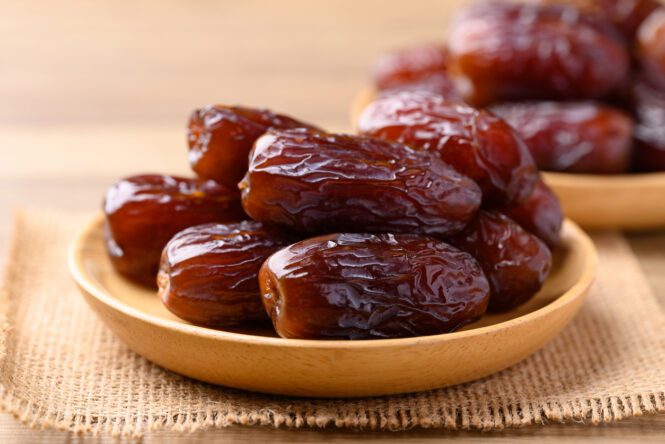
Because they contain both soluble and insoluble fibre, dates can help support normal digestion. They add bulk, help things move through the gut, and can be useful for people who don’t get enough fibre from other sources.
That said, they work best as part of a wider diet. If everything else you’re eating is low in fibre, a few dates won’t fix that on their own. But as an addition, especially if you’re swapping them in for lower-quality snacks, they can help bring things back into balance.
They’re packed with minerals people often overlook.
Dates are particularly high in potassium, along with smaller amounts of magnesium, copper, and other minerals. These aren’t nutrients people always track, but they play a role in things like muscle function, hydration balance, and general health.
Potassium stands out because it helps counter the effects of high sodium intake, which is common in many diets. While dates aren’t the only source, they’re an easy way to increase your intake without having to change your diet dramatically.
Their antioxidant content adds long-term value, not instant results.
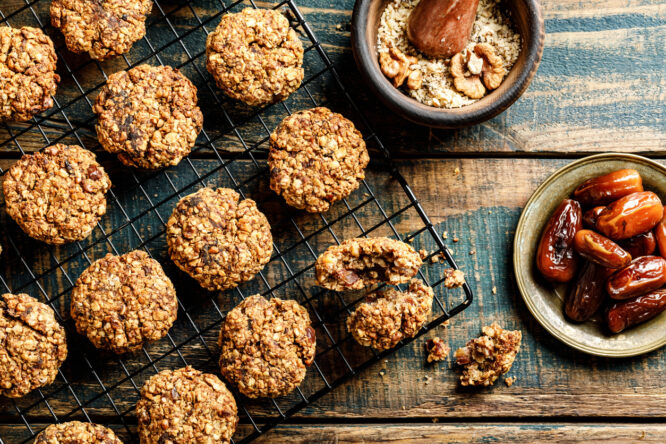
Dates contain plant compounds like polyphenols and carotenoids, which are linked to antioxidant activity. These compounds help protect cells from everyday stress caused by things like diet, environment, and ageing. It’s important to keep this grounded, though. You won’t notice a dramatic effect from eating dates alone. Their value comes from being part of a pattern of eating that includes a variety of whole foods, not from acting as a single fix.
They’re one of the easiest ways to upgrade your snacks.
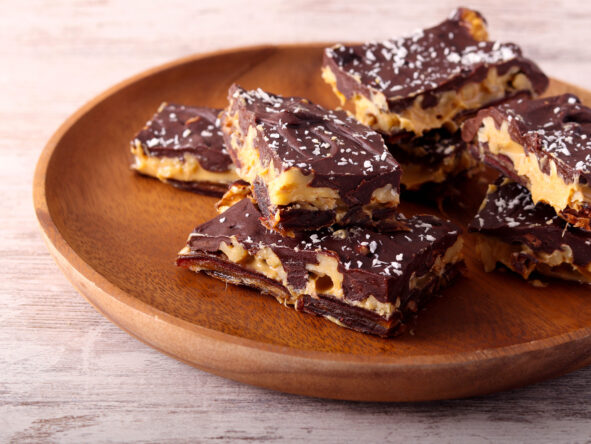
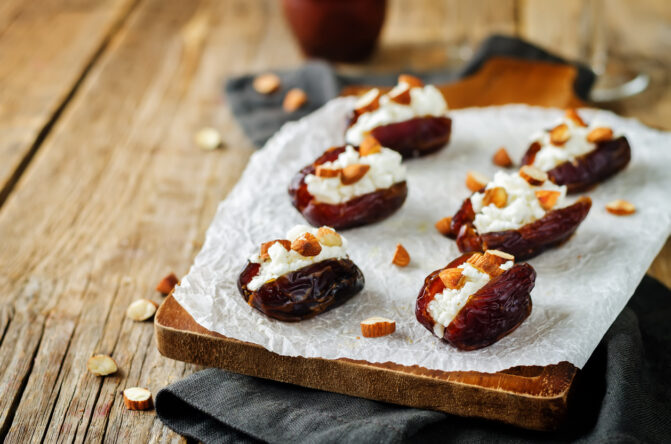
Where dates really shine is in how easy they are to use. If you’re trying to cut down on sweets, chocolate bars, or processed snacks, dates can step in without making it feel like you’re missing out. They also work well combined with other foods. Pairing them with nuts, yoghurt, or even a bit of cheese turns them into something more balanced, adding protein or fat to slow digestion and keep you fuller for longer.
They can help reduce reliance on added sugar without removing sweetness.
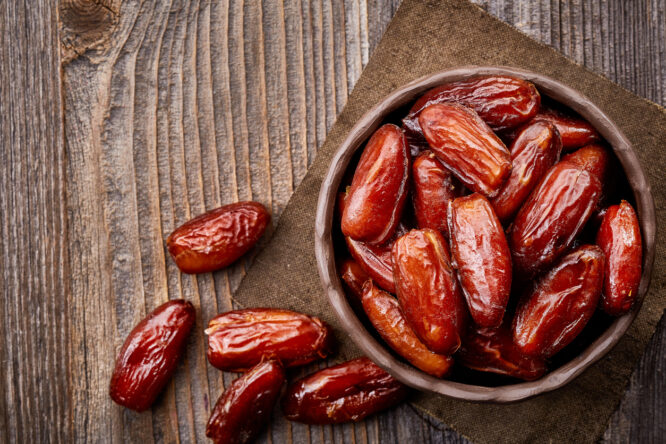
One of the hardest parts of changing eating habits is cutting back on sugar without feeling restricted. Dates help with that because they provide sweetness in a more natural form. They’re often used in recipes as a substitute for refined sugar, especially in things like smoothies, desserts, or snack bars. That doesn’t make them sugar-free, but it does mean you’re getting more from what you’re eating.
They’re calorie-dense, which can work for or against you.
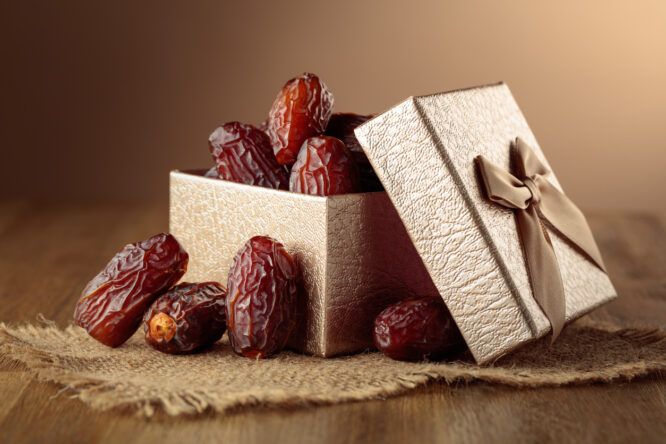
Dates pack a lot of energy into a small portion, especially when dried. That’s useful if you need fuel, but it also means it’s easy to eat more than you intended without noticing. This is where context matters. If you’re active or using them to replace less nutritious foods, they make sense. If you’re adding them on top of an already full diet, the calories can build up quickly.
Portion size is what separates “helpful” from “too much.”
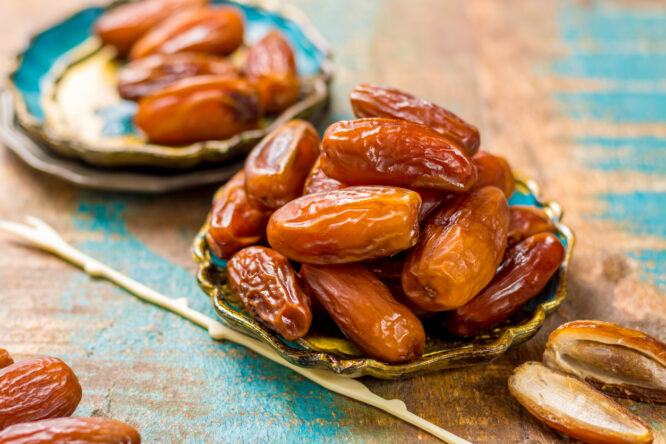
Because they’re small and easy to eat, it’s common to go past a sensible portion without thinking about it. A couple of dates can be beneficial, but a large handful starts to shift things towards excess. You don’t need to strictly limit yourself, but a little awareness goes a long way. Treating them as a concentrated food rather than something you snack on endlessly helps keep the benefits without the downsides.
The real benefit is how practical they are in everyday life.
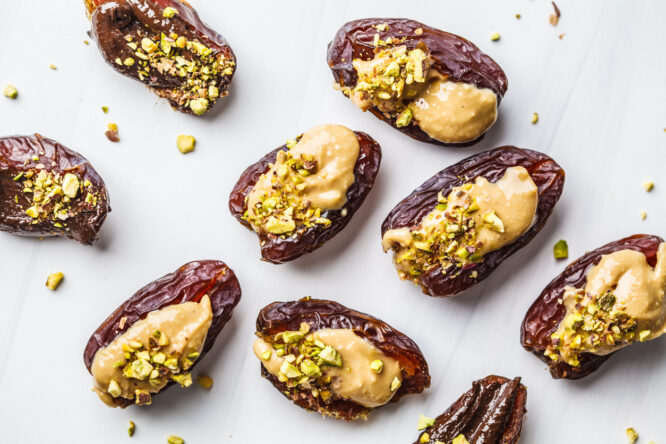
Dates don’t need preparation, they travel well, and they fit into a lot of different meals or snacks. That simplicity is a big part of why they’re useful. Healthy foods that are easy to eat tend to stick, while complicated ones don’t. That’s what makes them valuable long term—they make it easier to make slightly better choices without having to overhaul everything you eat.
Dates are great in moderation.
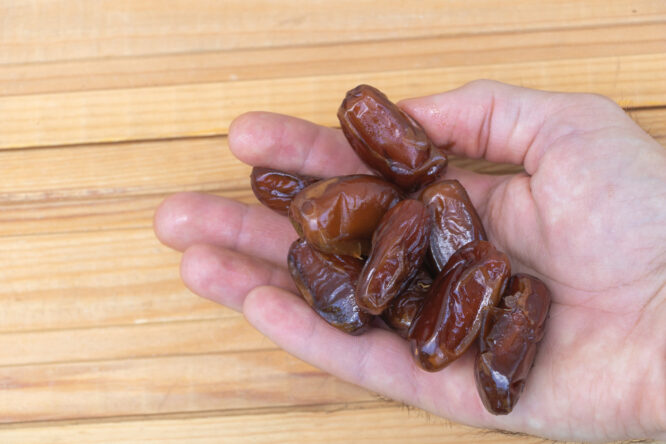
Dates are a nutrient-dense food that provide energy, fibre, and a range of minerals. They can support digestion, help improve snack choices, and offer a more balanced alternative to processed sweets. They’re not a miracle food, and they’re not something to eat without thinking. But used in the right way, they’re one of the easiest upgrades you can make if you’re trying to eat a bit better without overcomplicating it.