The 8 a.m. phone scramble for a doctor’s appointment has become a grim daily ritual that most of us are losing.
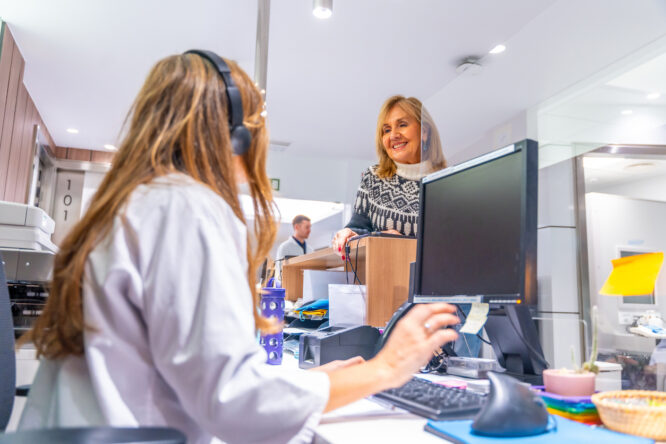
We’ve all spent 20 minutes on hold only to be told the surgery is full before the kettle has even boiled, but the people answering those calls aren’t actually trying to be difficult—at least not usually. They’re effectively air traffic controllers for a system that’s permanently over capacity, trying to filter a hundred desperate requests into ten available slots.
Being the loudest, rudest, or the most persistent caller won’t get you past the front desk. Instead, you need to grasp the specific mechanics of how a surgery actually functions. There are better ways to navigate the system that don’t involve a shouting match or a week-long wait, such as knowing which days are traditionally quieter or how to frame a symptom so it’s categorised correctly.
If you’re tired of the morning lottery, the people who manage the diary have a few practical changes in strategy that can actually get you through the door.
Be clear about what’s wrong when they ask.

A lot of people hold back when receptionists ask what the appointment is for, but that question is there for a reason. It helps them direct you to the right type of care, whether that’s a GP, nurse, pharmacist, or another clinician. You don’t need to go into every detail, but being clear about your symptoms and how long they’ve been going on makes it easier for them to help. Being too vague can actually slow things down because it’s harder to prioritise where you fit.
Call early, but don’t rely on one attempt.

The 8 a.m. rush is real, and it’s still one of the best chances to grab a same-day appointment. Many practices release slots first thing, so calling early does improve your chances. That said, it’s not always one and done. If you don’t get through or everything’s gone, it’s worth trying again later or asking if anything has opened up. A bit of persistence often pays off.
Use online booking where possible.

Many GP surgeries now offer online forms or booking systems, and in some cases these are quicker than calling. You can usually submit your request without sitting in a queue. These requests still get reviewed by the practice, so they’re not ignored. They often go through the same system as phone bookings, just without the stress of waiting on hold.
Be flexible about who you see.

One of the biggest delays comes from asking for a specific GP when other professionals are available. Receptionists aren’t trying to fob you off, they’re trying to get you seen by the right person. Nurses, pharmacists, and other clinicians can deal with a lot of common issues. Being open to that can get you help much faster than waiting for one particular doctor.
Explain how urgent it feels, not just what it is.

There’s a difference between listing symptoms and explaining how they’re affecting you. Saying something is getting worse, affecting your sleep, or making it hard to work gives more context. This helps the receptionist judge urgency properly. You don’t need to exaggerate anything, just be honest about how it’s impacting you.
Ask about cancellations and same-day options.

Appointments don’t stay fixed once they’re booked. People cancel throughout the day, and those slots often get given out quickly. Asking if there are cancellations or if you can check back later can sometimes get you seen much sooner than expected, especially if you’re flexible.
Be polite—it genuinely helps.

Reception staff deal with a high number of calls and often frustrated patients, so the tone of the conversation can make a difference. Being calm and respectful doesn’t mean you can’t be clear about what you need. It just makes the interaction smoother and easier to work through.
Recognise when you might not need a GP at all.

Not every issue needs a doctor’s appointment. Pharmacies can now treat a wide range of common conditions, often without needing a prescription. If you’re pointed in that direction, it’s usually because it’s quicker and appropriate for what you’re dealing with. It can save you time rather than delay things.
Go in person if you’re struggling on the phone.

If you’re not getting anywhere with calls or online forms, going into the surgery can sometimes be more effective. It gives you a chance to explain things face to face. It’s not always possible for everyone, but for some people it’s a simpler way to get things moving.
Prepare what you’re going to say.

Appointments are usually short, so knowing what you want to say before you even book can help. It also makes the booking process smoother. Having a clear idea of your symptoms, when they started, and what you need means you’re more likely to be directed to the right appointment first time.
Understand how the system works.
GP surgeries are under a lot of pressure, and appointments are managed carefully so urgent cases are prioritised. That’s why receptionists ask questions and sometimes redirect people. Once you understand that they’re managing demand rather than blocking access, the process tends to feel less frustrating and easier to work with.
Know that it’s more about approach than luck.

There isn’t a single trick that guarantees an appointment every time, but there are patterns that make it easier. Being clear, flexible, and prepared gives you a better chance. It’s not a perfect system, but small changes in how you approach it can take a lot of the hassle out of the process and make things feel more manageable.