Growing up with no money doesn’t just shape how you handle cash—it changes how you see the world.

It’s more than hand-me-downs and skipped holidays. It’s learning to make things last, keeping quiet when everyone’s talking about their ski trips, and figuring out joy in small, scrappy ways. If you know the feeling of holding your breath at the checkout or pretending you weren’t hungry, so there’d be enough for someone else, these experiences will probably feel a little too familiar.
1. The fear of wasting anything never really goes away.
Whether it’s food, money, electricity, or even wrapping paper—you just can’t bring yourself to waste it. You hear your parent’s voice every time you leave a light on or throw out leftovers that “still smell fine.” Even when you’re in a better place now, the habit sticks. You might laugh it off, but deep down it’s rooted in a time when there simply wasn’t enough to go around.
2. You feel weirdly guilty spending on yourself.

Buying something just because you want it? That still feels uncomfortable. Your brain immediately jumps to: do I really need this? Could this money go somewhere more sensible? Treating yourself doesn’t come naturally. Even when you can afford it now, a part of you still waits for the bottom to fall out again.
3. School trips and birthday parties weren’t guaranteed.

Other kids talked about holidays, theme parks, and expensive toys like they were normal. You learned early how to fake a smile and say, “I can’t go,” without explaining why. Missing out was routine, but the quiet shame of pretending it didn’t bother you? That stuck around longer than most people realise.
4. You instinctively check prices before getting excited.

When someone offers something generous—“Let’s go out to dinner!” or “Pick whatever you want”—you feel a jolt of panic before the excitement kicks in. You’re scanning for the cheapest option before you’ve even looked properly. This isn’t about being ungrateful. It’s about unlearning years of watching the pennies and making sure you weren’t the one who tipped things into “too expensive.”
5. You got very good at pretending things were fine.

You didn’t talk about the bills being overdue, or the nights the heating stayed off. You just got used to saying “nah, I’m not hungry” when there wasn’t enough to go around or “I forgot my PE kit” when you couldn’t afford the right shoes. Survival made you a good actor, and even now, being honest about struggle might still feel like something you’re not allowed to do.
6. New clothes were a major event.

When you finally got something new—whether it was from the sale rail or a charity shop—you treasured it. It wasn’t just a piece of clothing. It was confidence, belonging, and something you didn’t have to apologise for. Even now, you probably still take extra care of your clothes or wear things until they fall apart. Not because you have to—but because you remember when you did.
7. Eating out felt like a rare luxury, not a regular thing.

You still remember the exact meals from the handful of times you went to a restaurant growing up. It was exciting, intimidating, and probably came with strict instructions about what you were allowed to order. Now, even if you can go out whenever you want, part of you still scans the menu like you’re looking for the cheapest item. The habit never really left.
8. You were hyper-aware of what other kids had.
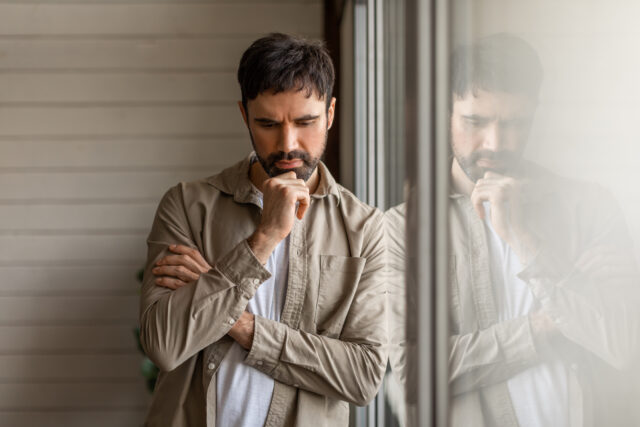
You clocked brands, lunchboxes, trainers—everything. Not because you were shallow, but because the gap was always visible. You knew who had money and who didn’t, even if no one talked about it. When you didn’t have the “right” stuff, you either made yourself invisible or tried to be funny enough that no one noticed. Either way, it stuck.
9. Talking about money still makes you tense.

Even when things are stable now, conversations about bills, budgets, or asking for help still bring up that familiar tight feeling in your chest. Money meant stress. It meant arguments. It meant not enough. So now, even being open about financial wins or struggles can feel risky. It’s not just numbers—it’s an old fear that hasn’t quite gone away.
10. You learnt how to stretch every single thing.

Toilet paper, shampoo, milk, leftovers—if it could be stretched, you found a way. You became a master of making things last and finding substitutes on the fly. Now, even when you don’t need to ration anymore, you probably still water down the washing-up liquid or squeeze the last bit out of everything. It’s just second nature.
11. You feel weirdly proud and weirdly embarrassed at the same time.

You’re proud of how resourceful you were—how you adapted, made things work, and kept going when it was hard. But part of you still carries embarrassment, like it’s something you’re supposed to hide or downplay. The truth? You shouldn’t be ashamed of any of it. What you learned wasn’t just survival—it was resilience. And it shaped you in ways that deserve to be recognised, not hidden.
12. You’re always low-key preparing for things to fall apart again.

No matter how much you save or how secure your life looks now, there’s a tiny part of your brain that doesn’t fully trust it. You’re always preparing—just in case it all disappears overnight. That kind of mental load isn’t about pessimism. It’s about memory. Even if you never go back there, it’s okay if your nervous system hasn’t fully caught up yet.
13. Gratitude feels different when you’ve gone without.

When you’ve experienced real lack, the little things hit differently. A warm house. A full fridge. Not having to check your account before tapping your card. These aren’t small things—they’re everything. You don’t take it for granted because you remember what it’s like to go without. And that kind of quiet gratitude? It runs deep, and it shows in how you move through the world.