Social anxiety can be tough to recognise, especially since it’s often pretty subtle.

It doesn’t always look like panic attacks or hiding in the loo at parties. Sometimes it’s subtler than that—just a constant second-guessing, a feeling of being watched, or an exhausting amount of overthinking after even the most basic interaction. You might seem “fine” on the outside, but inside? It’s a whole other story. If this sounds familiar, here are some signs you might be dealing with social anxiety, and what you can actually do about it.
1. You replay conversations for hours afterward.

You leave a conversation and your brain immediately starts dissecting everything you said—was that weird? Did I talk too much? Did I say something wrong? Even small, normal chats can leave you feeling low-key panicked afterward. That mental replay isn’t just annoying—it’s draining. If this happens a lot, try asking yourself: if a friend said the same thing I did, would I judge them? That change in perspective can ease the spiral.
2. You rehearse what you’ll say before making a phone call.

Even simple things like ordering food or booking an appointment feel like performances. You plan what to say, worry about stumbling over your words, and maybe even write it down beforehand. It might feel silly, but it’s a sign your nervous system is on high alert. Practising is fine, but try reminding yourself that awkward moments aren’t disasters. You’re allowed to be human on the phone.
3. You cancel plans, even when you actually want to go.

Something sounded fun when you agreed to it, but as it gets closer, the dread kicks in. What if it’s awkward? What if you don’t know what to say? So you pull out—again. Next time, instead of aiming for perfection, aim for showing up. Remind yourself that you don’t have to be the most entertaining person there—you just have to be there. And once you’re in the moment, it’s usually never as bad as you feared.
4. You over-apologise, even when you haven’t done anything wrong.

“Sorry for bothering you.” “Sorry if I’m being annoying.” “Sorry, just one more thing…” It’s like you’re constantly bracing for people to be irritated by your presence, even when no one’s said anything remotely unkind. This can be a hard habit to break, but try swapping “sorry” for “thanks.” Instead of “Sorry I’m late,” try “Thanks for waiting.” It changes the energy and reminds you that you’re allowed to take up space.
5. You assume you’ve annoyed someone if they seem off.
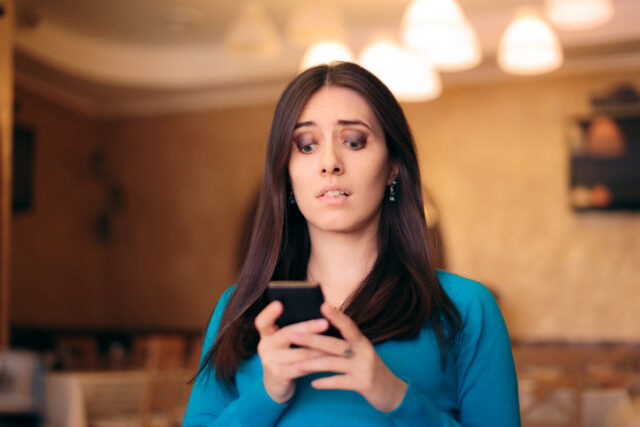
If a friend takes a while to reply or someone seems distant, your brain fills in the blanks with worst-case scenarios: they’re mad, you messed up, you said something wrong. Social anxiety makes everything feel personal. But often, it’s not about you at all. People get busy. They zone out. They have lives. Try giving people the benefit of the doubt—the silence probably isn’t an attack.
6. You mentally “rank” yourself in social settings.

You walk into a room and start comparing yourself to everyone else—how you look, how you’re dressed, how confident you seem. You constantly worry where you sit in the imaginary pecking order. This habit can make you feel smaller before you’ve even spoken. When you catch yourself doing it, try changing your focus to connection instead of comparison. You’re not there to win—you’re there to connect.
7. You fake confidence so well, no one knows you’re anxious.

You might come across as bubbly, chatty, or even super social—but it’s all carefully managed. Inside, you’re tense. You’re scanning the room. You’re second-guessing every laugh, every smile, every pause. High-functioning social anxiety is real—and it’s exhausting. Letting a few trusted people know how you actually feel can be a game-changer. You don’t have to carry the performance alone.
8. You worry about being “too much” or “not enough.”

You hold back opinions, tone yourself down, or overthink being too loud, too quiet, too awkward, too… anything. It feels like there’s no version of you that would be just right. The truth is, most people aren’t dissecting you the way you think. Social anxiety creates a spotlight effect, but you’re not actually under one. You’re probably being way harder on yourself than anyone else ever would be.
9. You dread group introductions or going around in a circle.

The moment someone says, “Let’s all go around and introduce ourselves,” your stomach drops. Your heart races. Even saying your name out loud feels terrifying. This is a common anxiety trigger. If you know these moments overwhelm you, try grounding beforehand—breathe slowly, plant your feet on the ground, and remind yourself: no one is judging as harshly as you think. Most people are too busy worrying about their own intro.
10. You avoid asking questions in public, even if you’re confused.

You’re in a meeting or class and have no idea what’s going on, but the thought of raising your hand makes your skin crawl. You’d rather stay confused than risk sounding stupid. That fear is valid, but it’s holding you back. Try reframing it: asking questions isn’t a weakness—it’s a sign you’re engaged. Odds are, other people are wondering the same thing and just didn’t ask either.
11. You can’t stand silence in conversations.

If there’s even a two-second pause, your brain panics. You fill the gap immediately, usually with rambling, awkward small talk, or self-deprecating jokes to keep things moving. Silence isn’t always a bad thing. Sometimes it’s just space to think. Try letting a pause hang for a moment longer than feels comfortable. It’s usually not as awkward as your brain makes it seem.
12. You leave social situations feeling mentally wiped.

Even if everything went fine, you leave feeling exhausted, like you’ve been holding your breath the whole time. Small talk, eye contact, and trying to “act normal” takes serious effort. Burnout like that is real. Give yourself recovery time afterward. You’re not antisocial—you’re overstimulated. Resting after socialising isn’t weakness. It’s smart self-care.
13. You rehearse how to leave without being awkward.

You spend the last chunk of a hangout figuring out how to exit without looking rude. You’re hyper-aware of the vibe and worried about leaving at the “wrong” time. Try this: leave when you need to, and trust that a simple, kind “Thanks for having me—heading off now” is more than enough. Most people won’t remember how you left. They’ll remember you showed up.
14. You constantly think people are analysing you (they’re not).

You worry your laugh is weird. That you talked too much. That people secretly find you annoying. But the truth? Most people are way too focused on themselves to dissect everything you do. Social anxiety makes you feel like you’re under a microscope, but you’re really not. And once you start remembering that, things get a lot easier to breathe through, even if the nerves don’t disappear overnight.