Driving has understandably always been a key part of staying independent.
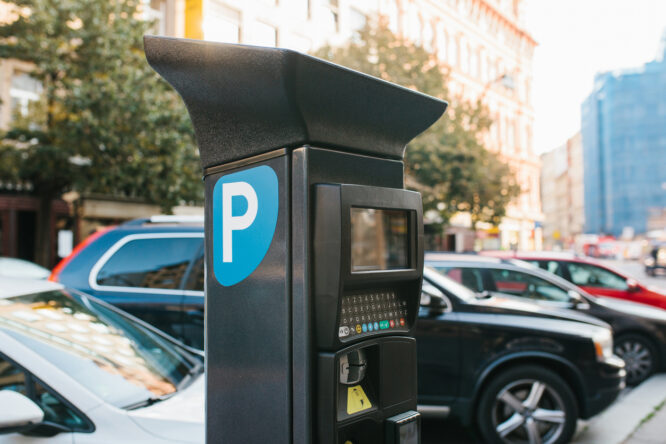
However, a wave of new UK parking regulations is making a simple trip to the shops feel like an obstacle course for anyone who didn’t grow up with a smartphone in their hand. Between the sudden disappearance of physical ticket machines and the rise of “app-only” car parks, a huge chunk of the population is being effectively locked out of their local high streets.
While the people behind these changes claim they’re just streamlining the system, it’s starting to look a lot more like a digital tax on older motorists who still prefer to pay with a bit of loose change. It raises a serious question about whether these rules are designed for efficiency, or if they’re simply ignoring the millions of people who aren’t interested in living their entire lives through a five-inch screen.
Modern parking systems are catching more drivers out.

Many car parks now rely on automatic number plate recognition, or ANPR, to track how long a vehicle stays. Instead of a ticket on the dashboard, cameras log entry and exit times without any physical interaction. That sounds straightforward, but it removes the visual cues drivers used to rely on. There’s no ticket to check, no clear reminder of time limits, and no obvious signal that a stay is being tracked from the moment you arrive.
App-based parking is a major sticking point.

A growing number of car parks now require drivers to pay using apps rather than machines. In some cases, there’s not even a working pay-and-display option anymore. For drivers who aren’t used to smartphones or mobile apps, this creates a real barrier. It’s not just about paying, it’s about downloading the app, setting up an account, entering card details, and navigating a system that isn’t always straightforward.
Older drivers are more likely to be affected by this change.

While plenty of older people are comfortable with technology, there’s still a gap in how easily different age groups can adapt to rapid digital changes. That means older drivers are more likely to struggle with app-only systems or unfamiliar payment methods, especially when there’s pressure to act quickly in a car park setting.
Parking fines are increasing as a result.

One of the biggest concerns is that more drivers are being hit with fines, not because they intended to break the rules, but because they didn’t fully understand how the system worked. That can include small mistakes like entering the wrong registration number, failing to complete an app payment properly, or misunderstanding when the parking time actually started.
The system leaves less room for human error.

Older parking setups allowed for a bit of flexibility. If you were slightly late back to your car, or if something went wrong with a machine, there was sometimes room for discretion. With automated systems, everything is tracked precisely. Entry and exit times are logged down to the minute, and enforcement is often handled automatically, leaving less opportunity for common-sense judgement.
There’s also confusion around how long you’ve actually parked.

With ANPR systems, the clock usually starts when you enter the car park, not when you park your car. That includes time spent finding a space or queuing to leave. For drivers who are used to the old system, where time started when a ticket was purchased, this can lead to unexpected penalties even if they believed they were within the limit.
Critics say the system isn’t designed with everyone in mind.

There’s growing concern that modern parking systems prioritise efficiency and automation over accessibility. While they may work well for some, they can create unnecessary challenges for others. The argument isn’t against technology itself, but about making sure it works for all drivers, not just those who are comfortable with digital tools.
It’s not just older drivers who are affected.

Although older motorists are often highlighted, they’re not the only group struggling. Anyone without a smartphone, reliable internet access, or confidence using apps can run into similar issues. That widens the problem beyond age alone, raising questions about whether current parking systems are becoming too dependent on technology.
The change is happening quickly, with little adjustment time.

One of the reasons this issue is growing is how fast these changes have been introduced. In many areas, traditional machines have been removed with little warning. That leaves drivers having to adapt on the spot, often in unfamiliar locations, without clear guidance on what’s expected.