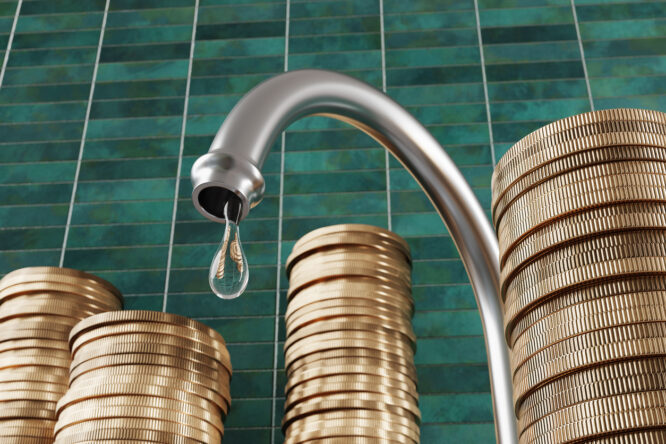
Families across the UK are being hit by a fresh wave of rising costs, with the combined impact running into the billions.

What makes this situation different is that it isn’t coming from one obvious bill or sudden spike. Instead, it’s a collection of smaller increases across everyday essentials that are all landing at the same time, which is why so many people feel like their money is slipping away faster without a clear reason why.
Energy bills are still far higher than people were used to paying.
Even after some recent drops, the average annual energy bill for a typical household is still sitting around £1,600 to £1,700, according to Ofgem. That’s well below the peak during the crisis, but it’s still hundreds of pounds higher than what many people were paying just a few years ago.
That gap is what continues to bite. Even when prices stabilise, they don’t return to old levels, which means households are stuck paying more long-term. Because energy is something you can’t avoid, it remains one of the biggest ongoing pressures on monthly budgets.
Council tax increases are pushing household costs past new highs.

Across much of England, council tax bills have risen by around 5%, with the average Band D bill now sitting above £2,000 a year. For many households, that’s an extra £100 or more added to their annual costs almost overnight. What makes council tax particularly frustrating is that it’s fixed and unavoidable. You can’t shop around or reduce usage, so once it goes up, it simply becomes another permanent cost people have to absorb.
Water bills are rising steadily with no way to cut them back.

Water bills have increased again this year, with many households paying an extra £30 to £40 annually, depending on their region. That pushes the average yearly bill closer to the £600 to £650 mark. On its own, that might not seem dramatic, but it adds to the wider problem. When multiple essential bills rise at once, even smaller increases start to feel major because they stack on top of each other.
Food shopping is still noticeably more expensive than before.

While food inflation has slowed, prices haven’t come back down. A typical weekly shop still costs more than it did a couple of years ago, and that difference builds up quickly, and in the long run, it can cause serious financial strain. For most households, food is one of the most frequent expenses, so even small increases are felt immediately. It’s often the first place people notice the squeeze, even if they can’t always pinpoint exactly why it feels higher.
Transport and fuel costs are adding another layer of pressure.
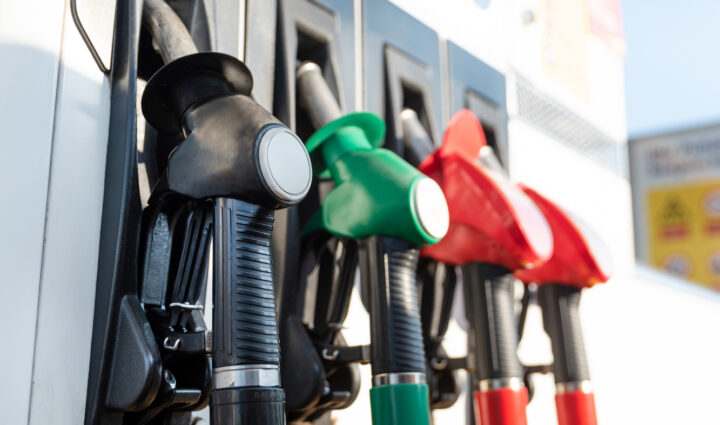
Fuel prices remain unpredictable, and public transport costs have also risen in many areas. Whether it’s commuting, school runs, or basic travel, getting around is costing more than it used to. For households that rely heavily on a car or daily travel, this becomes a steady drain on income. It’s another essential cost that can’t easily be reduced without affecting day-to-day life.
Broadband and mobile bills are creeping up in the background.

Many broadband and mobile contracts have increased in line with inflation, which means people are paying more for the same services without necessarily noticing straight away. These rises tend to feel smaller, but they add to the overall pressure. When multiple subscriptions increase at the same time, it quietly pushes monthly spending higher.
April is when many of these increases hit all at once.

A big part of the problem is timing. Council tax, water bills, and various other household costs tend to rise at the start of the financial year in April, meaning people are hit with several increases at the same time. This creates a sudden squeeze rather than a gradual change. Even if each individual increase seems manageable, the combined effect can feel overwhelming when it all lands together.
Why the total impact reaches into the billions of pounds

When you look at each household on its own, the increases might total a few hundred pounds a year. But when you multiply that across millions of households, the overall cost quickly climbs into the billions. That’s how figures like £7 billion are reached. It’s not driven by one single change, but by the combined weight of rising everyday costs across the entire country.
Why it feels harder to manage than it used to

The biggest issue is that most of these costs are essential. They aren’t things people can easily cancel, downgrade, or avoid. That leaves very little room to adjust without cutting into day-to-day comfort. This is why so many households feel stretched even if their income hasn’t changed. It’s not about spending more, it’s about the baseline cost of living continuing to rise across the board.
What households are having to adjust right now

Many people are already making small changes to cope, whether that’s cutting back on non-essential spending, being more cautious with energy use, or planning food shops more carefully. However, the reality is that these adjustments can only go so far when the main pressures are coming from fixed costs. For a lot of households, it’s less about budgeting better and more about trying to keep up with rising essentials.
Why this doesn’t feel like a short-term issue

The pattern of rising costs has been building for several years, and while some areas may stabilise, others are likely to keep increasing. That creates a sense that this isn’t just a temporary squeeze. For now, the overall picture is clear. The cost of everyday living in the UK has shot upward, and even small increases across multiple areas are enough to leave households feeling the difference in a very real way.