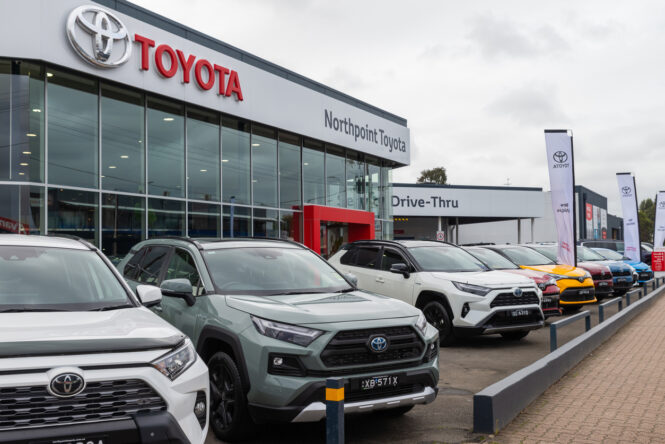
Chinese electric and hybrid cars are becoming much more common on British roads these days.
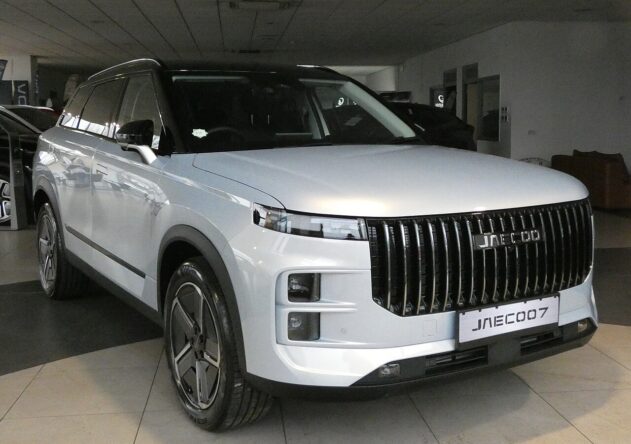
It’s no surprise, really, given their lower prices, modern interiors, and growing interest in EVs generally. Brands like BYD, XPeng, Omoda, and Jaecoo have expanded rapidly in the UK over the past couple of years, with some models already becoming surprisingly popular. But while many buyers are attracted by the cheaper upfront costs, some drivers are now discovering there’s another issue waiting afterwards: getting insurance.
Some insurers are refusing cover entirely.

Research by Carwow found that several major insurers either declined to cover certain Chinese EVs altogether, or only offered policies on a limited number of models. The study looked at quotes for cars including the Jaecoo 7, XPeng G6, BYD Seal U, and Skywell BE11.
In some cases, only one insurer would offer cover at all. According to the research, Axa declined to quote for any of the vehicles tested, while other insurers only covered selected models.
Insurance prices can also be much higher.

Even when drivers can get insured, the premiums are often noticeably more expensive than similar petrol cars from more established brands.
The hybrid Jaecoo 7 reportedly cost more than £1,100 a year to insure on average in the study. By comparison, a petrol Skoda Karoq, used as a similar-sized alternative, came in at roughly half that figure.
Electric vehicles already tend to cost more to repair.

Part of the problem is that EVs generally cost more to repair after accidents than traditional petrol cars. Battery systems, specialist components, sensors, and electronics can all make repairs more expensive and more complicated.
Insurance companies also sometimes struggle to source replacement parts quickly, especially for newer brands that are still building supply chains in Britain.
Chinese brands are still very new to the UK market.
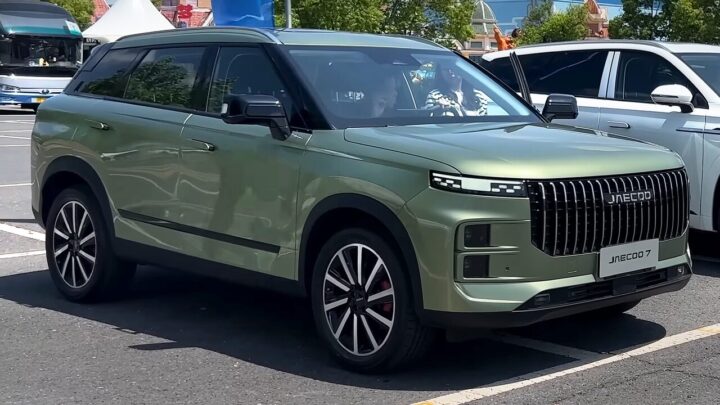
Another major issue is simply lack of data. Insurers rely heavily on long-term claims histories to calculate risk accurately, but many Chinese brands have only recently arrived in the UK.
That means insurers still don’t fully know how often certain models are involved in accidents, how expensive repairs become over time, or how quickly replacement parts can be sourced.
It creates what experts call a “chicken and egg” problem.

Several industry experts say insurers are being cautious because they don’t yet have enough information to confidently price policies for some newer Chinese vehicles.
But at the same time, fewer people may choose those cars if insurance is difficult or expensive to get, which then slows down the process of gathering the data insurers want in the first place.
Drivers may have fewer chances to shop around.
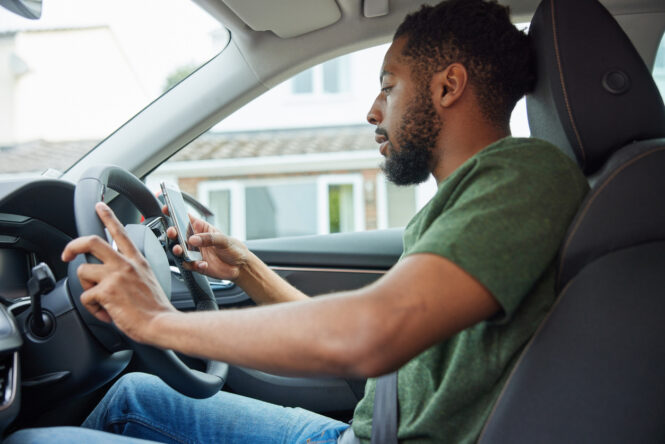
One of the biggest frustrations for buyers is that limited insurer participation means there’s often less competition between providers.
If only one or two companies are willing to offer cover, drivers lose the ability to compare multiple quotes and hunt for better prices in the normal way.
Some models are proving harder to insure than others.

The Carwow research suggested some vehicles faced bigger problems than others. The Skywell BE11 reportedly received just a single insurance offer in the study.
Meanwhile, the XPeng G6 and Jaecoo 7 also faced restricted availability, although the BYD Seal U appeared slightly easier to insure overall.
Chinese car sales are still rising quickly.
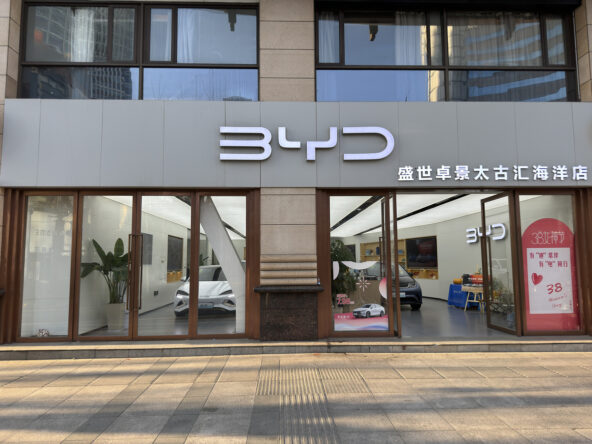
Despite the insurance concerns, Chinese manufacturers continue gaining ground in the UK market. Recent sales figures showed strong growth for brands including BYD and Jaecoo as more drivers look for cheaper EV options.
The Jaecoo 7 even became one of the UK’s bestselling new cars earlier this year, helped by aggressive pricing and strong marketing.
Some experts think the situation will improve eventually.

Carmakers and insurers both say this may simply be part of the adjustment period that happens whenever large new manufacturers enter a market.
Industry figures have pointed out that Japanese and South Korean brands faced similar scepticism when they first arrived in Britain decades ago, before eventually becoming completely normal parts of the market.
What this means for buyers right now

For drivers thinking about buying a Chinese EV or hybrid, experts say insurance is something worth checking carefully before committing to a purchase.
A car that initially looks much cheaper than rivals can quickly become less affordable if insurance options are limited or annual premiums are significantly higher.
As more repair data becomes available, and supply chains improve, prices may eventually settle down. But for now, some drivers are finding that buying the car itself is turning out to be easier than insuring it afterwards.