The UK pension system is about to go through one of its biggest shake-ups in years after the new Pension Schemes Act officially became law.

The government says the changes are designed to make pensions easier to manage, improve returns for savers, and stop millions of smaller pension pots from getting lost over time. Ministers even claim the reforms could add as much as £29,000 to the average worker’s pension by retirement, although exactly how much people benefit will depend heavily on their circumstances and long-term investment performance.
Millions of small pension pots could soon be merged automatically.

One of the biggest changes involves “small pot consolidation.” At the moment, many workers build up multiple pension pots across different jobs and often lose track of them entirely after changing employers.
Under the new law, pension pots worth £1,000 or less can eventually be automatically merged into a larger single pension managed by an authorised consolidator. The idea is to make pensions easier to track and reduce the number of forgotten pots sitting untouched for years. People will still be contacted beforehand and given the option to opt out if they want their money handled differently.
Pension schemes will face tougher performance checks.

The reforms also introduce a new “Value for Money” framework aimed at underperforming pension schemes. Pension providers will now be judged more openly on things like investment performance, charges, and customer service.
If schemes consistently fail to offer decent value, regulators could eventually force them to merge with larger, stronger-performing pension providers. The government says this should create more pressure for pension firms to improve results for savers, instead of quietly underperforming for years.
People approaching retirement may get more guidance automatically.

Another major part of the reforms focuses on what happens when people actually retire. Many savers currently reach retirement with little understanding of how to turn their pension pot into a steady income.
The new rules mean defined contribution pension schemes will now have a legal duty to offer clearer default retirement pathways or products. People will still be able to make their own decisions, but pension providers will need to guide savers more actively instead of leaving them completely on their own.
Huge “megafunds” could start controlling more pension money.

The reforms will also encourage smaller workplace pension schemes to combine into much larger investment funds, often referred to as “megafunds.” The government believes bigger schemes can reduce costs and access stronger long-term investments.
These larger funds may invest more heavily in infrastructure, businesses, and long-term projects both in the UK and internationally. Supporters say this could improve returns over decades, although critics worry savers may end up exposed to riskier investments depending on how the money is managed.
The government now has limited powers to influence investments.
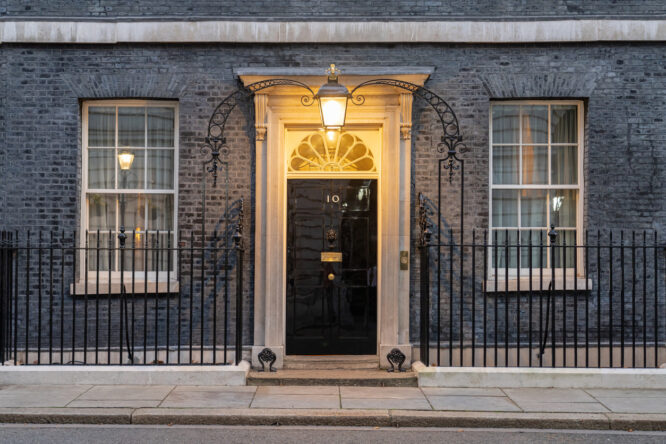
One of the more controversial parts of the reforms involves government influence over where pension money gets invested. The law includes reserve powers allowing ministers, in certain situations, to direct a portion of pension investments towards particular areas.
Limits were added after political debate, meaning no more than 10% of a fund could be directed overall, and no more than 5% could be specifically forced into UK investments. Pension schemes can also request exemptions if they believe certain investments would damage saver returns.
Disputes over pension overpayments may become simpler.

The new law also changes how pension overpayment disputes are handled. Previously, pension schemes often needed court approval before recovering accidental overpayments from future pension payments.
From June 2026, schemes will no longer need a separate court order if there is already a ruling from The Pensions Ombudsman supporting recovery. Supporters say this should speed up disputes, although some campaigners worry it could make the process tougher for pensioners who disagree with repayment demands.
The reforms come as concerns about retirement savings keep growing.

The changes arrive during growing concern that many people in the UK simply are not saving enough for retirement. Rising living costs, housing pressures, and patchy workplace pension contributions have all raised fears about future pension shortfalls.
The government says these reforms are part of a wider attempt to modernise a pension system that many experts believe has become fragmented and difficult for ordinary savers to understand. Over the next few years, workers are also expected to see further pension changes, including the rollout of pension dashboards designed to show all retirement savings in one place online.
What this actually means for ordinary savers.

For most people, nothing will suddenly change overnight. Existing pensions will still remain in place, and workers won’t immediately see dramatic jumps in retirement income because of the new law.
However, over time, the reforms could change how pensions are managed behind the scenes, how easy they are to track, and how retirement decisions are handled. For people with multiple old workplace pensions especially, the biggest noticeable change may eventually be seeing smaller pots automatically brought together instead of scattered across different providers for decades.