Getting onto the property ladder still feels completely unrealistic for plenty of younger people across the UK, especially with rents eating up wages and deposits taking years to save.
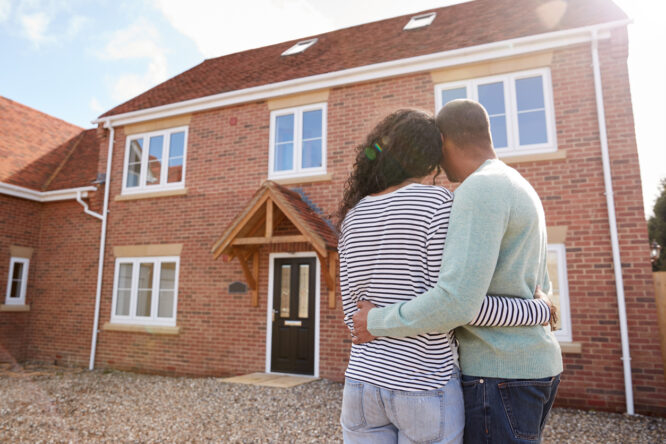
For a lot of buyers, even the idea of finding a “cheap” first home now sounds slightly ridiculous. However, new research from Lloyds suggests there are still parts of the country where buying a first property is far more achievable than many people expect, particularly for those willing to look outside the UK’s biggest cities.
The bank analysed mortgage data from first-time buyers across the UK and identified the areas where people are paying the least for their first homes. Unsurprisingly, Scotland performed strongly throughout the rankings, while several northern English towns also stood out for relatively affordable prices compared to the national average.
East Ayrshire was named Britain’s cheapest place for first-time buyers.
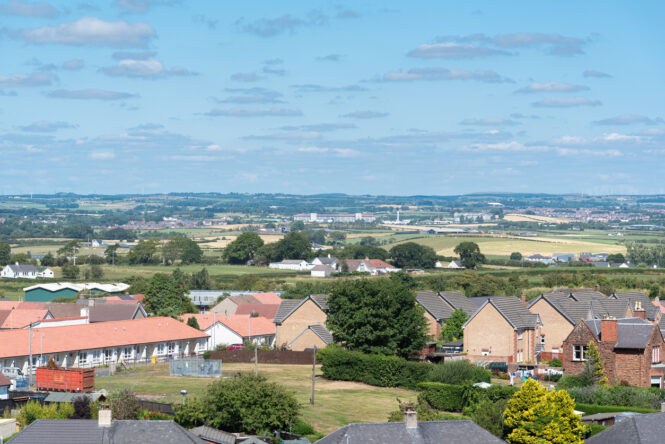
According to the research, the average first-time buyer home in East Ayrshire costs £147,353, making it the least expensive area in Britain for people getting onto the property ladder. Lloyds said the region benefits from transport connections into Glasgow and other nearby employment areas, which helps explain why it continues attracting younger buyers looking for lower housing costs without completely sacrificing job opportunities.
Compared to house prices in many parts of southern England, the difference is enormous. In some areas of London, buyers are paying well over double that amount for considerably smaller properties, which helps show how uneven the UK housing market has become over the past decade.
Scotland dominated the affordability rankings.
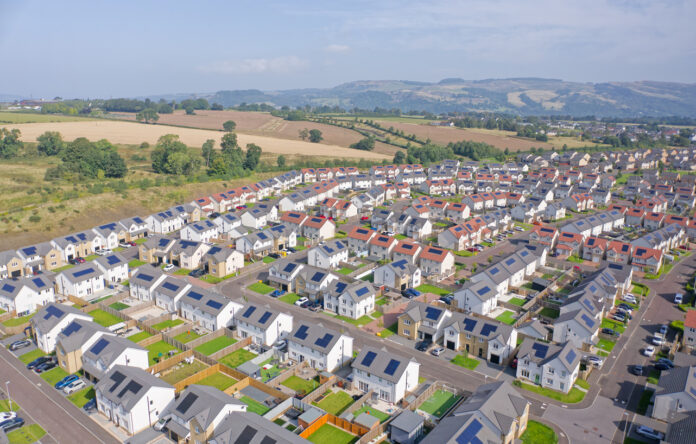
Inverclyde followed closely behind East Ayrshire, with average first-time buyer prices sitting at £149,929. Scotland’s strong showing across the rankings reflects how property prices there remain considerably lower than many parts of England, especially in the South East.
For younger buyers struggling to save while renting, areas like these increasingly represent one of the few realistic paths into homeownership. While wages are not necessarily dramatically higher, lower property prices make deposits and monthly repayments feel far more manageable for many households.
Blackpool was England’s cheapest area for first-time buyers.
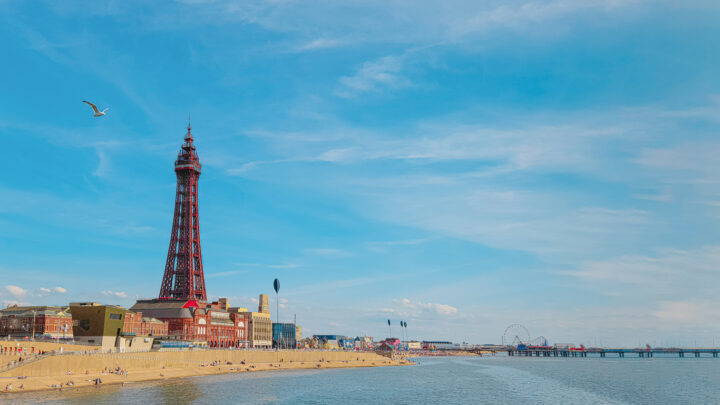
Blackpool ranked third overall, with the average first-time buyer property costing £150,780. It also came out as the cheapest place in England for first-time buyers, based on Lloyds’ figures.
Several other northern areas also ranked highly for affordability. South Tyneside came in at £157,551, while Kingston upon Hull averaged £151,171. Merthyr Tydfil in Wales also remained relatively affordable at £156,498 for first-time buyers entering the market.
The north-south divide continues to shape the housing market.
The research once again highlighted the huge gap between property prices in the north and south of the UK. Areas in the South East and London continue to sit far beyond what many younger buyers can realistically afford without outside financial help.
Even the “cheaper” southern locations still look expensive compared to much of the north. Gosport was named the most affordable area in the South East, but average first-time buyer homes there still cost £228,617. Plymouth topped the South West list at £216,166.
London still looks completely out of reach for many buyers.
Barking and Dagenham was identified as London’s cheapest borough for first-time buyers, but average prices there still reached £363,748. Even by London standards, that remains an enormous amount for younger buyers trying to purchase their first property.
For many people living in the capital, buying now often depends heavily on family support, inheritance, shared ownership schemes, or combining multiple incomes. The gap between wages and property prices continues to make London one of the hardest places in the country to buy a home.
Some areas are seeing much younger buyers getting onto the ladder.

Lloyds also looked at where Britain’s youngest first-time buyers are managing to purchase homes. Ribble Valley in Lancashire came out on top, with the average first-time buyer aged just 27 years old.
That is around five years younger than the current UK average age for first-time buyers, which now sits at roughly 32. The figures suggest some areas are still allowing younger adults to buy far earlier than many people elsewhere in the country.
Several smaller areas are attracting younger buyers.
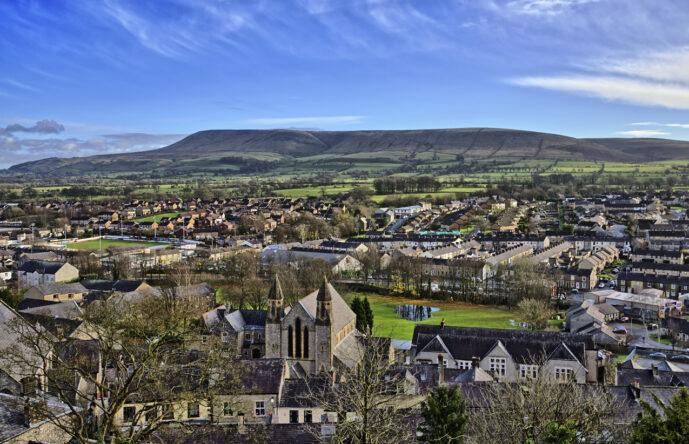
South Staffordshire and Pendle also had particularly young first-time buyers, with average ages below 28. Other areas performing well included Chorley, Cannock Chase, Staffordshire Moorlands, and North Norfolk.
While some of these places are not necessarily considered traditional property hotspots, they increasingly appeal to buyers prioritising affordability over living close to major city centres. Remote working and hybrid jobs have also made that choice easier for some younger buyers over recent years.
Flexibility is becoming more important than ever.
Lloyds said many buyers are now having to rethink what their first home looks like. That might mean moving further from expensive cities, buying smaller homes, or choosing different property types than they originally planned.
For some people, compromise is becoming the only realistic route onto the property ladder. Buyers who remain completely fixed on one location or one type of home often face much bigger affordability challenges than those willing to widen their search slightly.
Lloyds has also announced a new low-deposit mortgage.
The findings come as Lloyds launches a new mortgage aimed at helping first-time buyers purchase homes with deposits as low as £5,000. Saving for a deposit remains one of the biggest barriers facing younger buyers, particularly while rents and everyday living costs remain high.
Lower-deposit mortgages are unlikely to solve the wider affordability crisis on their own, but they could make homeownership possible slightly earlier for some renters currently stuck trying to save while paying expensive monthly rent.
The overall picture still remains difficult for many younger buyers.

Although the research highlights genuine pockets of affordability around the UK, the wider housing market remains extremely challenging for many first-time buyers. House prices, mortgage rates, and living costs continue putting pressure on younger households across much of the country.
The fact that the average first-time buyer age now sits above 30 says a lot about how dramatically the market has changed compared to previous generations, when buying a home in your twenties was far more common than it is today.