For years, people joked that one day robots would take over doctors’ jobs.
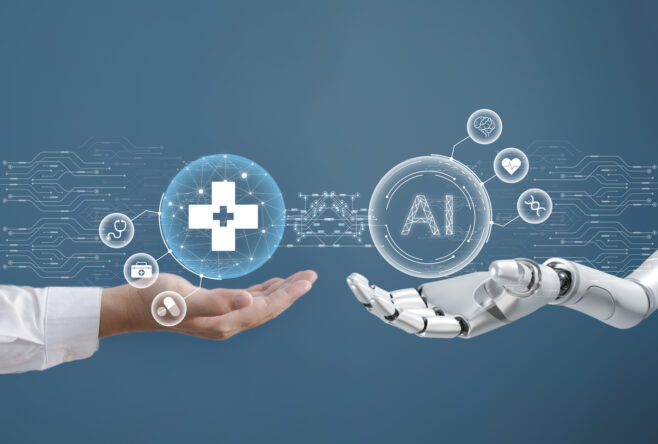
It sounded like sci-fi stuff that would never actually happen, but now, some scientists are saying AI is getting surprisingly good at spotting illnesses, and in certain tests, it’s even doing better than real doctors at working out what’s wrong with patients. That sounds exciting, slightly scary, and honestly a bit strange all at the same time.
The important thing, though, is that this doesn’t mean doctors are suddenly becoming useless. What it really shows is how quickly AI is improving, especially when it comes to reading huge amounts of medical information very fast.
AI turned out to be surprisingly good at spotting difficult illnesses.
The new research looked at emergency room cases where doctors had to work out what might be wrong with patients based on early information. In some of these tests, an AI system gave the correct diagnosis more often than the human doctors did. The AI was especially good when there wasn’t much information available yet, which is usually one of the hardest parts of medicine.
One reason AI did well is because it can scan huge amounts of data in seconds without getting tired or distracted. It can look through symptoms, test results, medical notes, and patterns from thousands of past cases incredibly quickly. Humans can obviously do this too, but people get stressed, overloaded, and exhausted, especially in busy hospitals where decisions have to be made fast.
Doctors still do loads of things AI simply can’t.

Even the scientists behind the study were careful to say this doesn’t mean hospitals are about to replace doctors with chatbots. The AI was mainly looking at written information on screens. It wasn’t sitting with frightened patients, noticing body language, spotting panic in somebody’s face, or dealing with worried families asking difficult questions.
That human side of medicine matters much more than people sometimes realise. A doctor might notice that somebody looks confused, embarrassed, in pain, or far more ill than their paperwork suggests. Humans also have to make judgement calls all the time. Medicine isn’t just about getting the right answer on a computer screen. It’s also about trust, reassurance, experience, and knowing when something simply feels wrong.
AI seems best when it acts like an extra brain in the room.
A lot of experts think the future will probably involve doctors and AI working together rather than competing against each other. In the same way pilots still fly planes even though computers help them, doctors may end up using AI as a second opinion tool. It could help spot illnesses that humans accidentally miss, especially rare conditions that don’t appear very often.
One example from the research involved a patient with serious lung problems. Human doctors thought one thing was causing it, but the AI noticed details in the patient’s medical history that pointed towards a completely different illness. The AI turned out to be right. Stories like that are why so many researchers think these systems could become genuinely useful in hospitals.
There’s still a big catch that people shouldn’t ignore.
AI can also get things badly wrong. Other studies have found that some AI systems struggle when they only have partial information, which happens all the time in real life. Sometimes the technology jumps too quickly to the wrong conclusion or sounds extremely confident even when it’s mistaken. That’s a dangerous combination in medicine.
Researchers have also warned that AI can sometimes invent information or suggest unnecessary tests and treatments. A computer doesn’t truly understand fear, pain, risk, or consequences in the same way humans do. That’s why most experts keep stressing the same thing over and over: AI should help doctors, not replace them completely.
Hospitals may end up changing faster than most people expect.

Even though this technology is still being tested, doctors are already using AI more than many people realise. Some hospitals use it to help organise notes, scan medical images, or flag possible problems earlier. Studies suggest lots of doctors already use AI tools as a second opinion for difficult cases.
The next few years could completely change how medicine works behind the scenes. Patients might not always notice it directly, but AI could slowly become part of everyday healthcare in the same way computers quietly became part of almost every other job. Most people probably still want a real human doctor sitting across from them when life gets scary, but that doctor may soon have a very clever AI assistant helping in the background.