Finding a fresh mess in the flowerbeds when you’ve spent the weekend tidying the garden is enough to test anyone’s patience.
It’s a major frustration for homeowners across the UK, especially when the culprit belongs to the family next door. While it feels like there should be a straightforward rule about property damage, the legal reality is surprisingly muddy. Under British law, cats have a specific “right to roam,” which means their owners aren’t legally responsible for where they choose to do their business. Knowing where you stand legally is the best way to handle the situation without sparking an almighty row with the neighbours.
The law sides with the cats more than the gardener.
Under UK law, cats are recognised as having what’s often called a “right to roam.” That means they’re legally allowed to wander into neighbouring gardens, properties, and outdoor spaces without their owner being held responsible. Unlike dogs, who are subject to strict rules about fouling and control, cats fall into a completely different category in the eyes of the law.
So, if your neighbour’s cat regularly treats your vegetable patch as its personal toilet, your neighbour isn’t technically committing any offence. They don’t have a legal duty to stop it, clean it up, or even acknowledge it. With around 11 million pet cats living in homes across Britain, this affects a huge number of people, particularly during spring and summer when gardens see the most use. Freshly turned soil, flowerbeds, and veg plots are exactly the kind of surfaces cats love because they’re soft, easy to dig and ideal for burying mess.
Local authorities might actually get involved under very specific circumstances.

There are a few extreme cases where the law can be brought in, but the threshold is genuinely high. Large-scale animal fouling could potentially be classified as a statutory nuisance under the Environment Protection Act 1990, but only if it’s creating a serious health risk or an ongoing problem that really affects your quality of life. The kind of scale this would typically require involves multiple animals or repeated, excessive fouling over a long stretch of time.
A single cat from next door making the occasional visit to your garden won’t get anywhere near that level. Council environmental health teams aren’t going to come out for one tabby with a bad habit, no matter how annoying it feels. The reality is that most cat-fouling complaints sit firmly in the ‘neighbour dispute’ category rather than the legal one, and your options for forcing the situation to change are limited.
There are things you absolutely cannot do.

While the law might not protect your garden, it does protect the cat. Cats are covered by the Animal Welfare Act 2006, which means causing harm to a visiting cat, whether through deterrents, traps or anything toxic, could potentially land you with a criminal offence. Animal welfare organisations like Cats Protection and the RSPCA are very firm on this point, and rightly so.
That rules out things like poisoned bait, harmful chemicals, or anything else designed to actually hurt the animal. Trapping a cat is also a bad idea, both legally and practically. Even the more aggressive deterrents you might come across online aren’t worth the risk because if the cat gets injured you could find yourself on the receiving end of a complaint, a fine, or worse. Whatever you decide to do, it has to be humane.
There are humane ways to actually keep cats out.
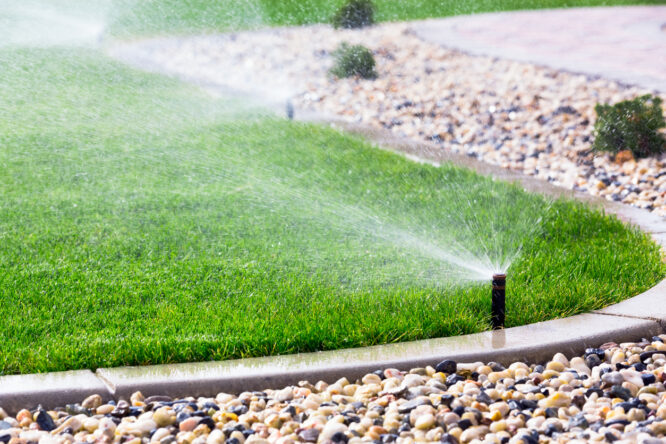
The good news is there are plenty of legal and effective options for putting cats off your garden. Motion-activated sprinklers are widely recommended and seem to be the most reliable. They connect to a hosepipe, fire a quick blast of water when triggered, and most cats decide it’s not worth coming back. Just position it so it’s not catching your neighbours every time they walk past their own fence.
Citrus scents are another good shout because cats genuinely dislike them. Orange or lemon peel scattered around flowerbeds works for some people, and there are commercial citrus gels available too. Prickly plants like holly, berberis, or rose bushes around the perimeter make it physically uncomfortable for cats to settle. Gravel borders have a similar effect, since cats don’t like the feel of sharp stones under their paws. Tall fencing helps in some cases, though most cats will simply climb over.
You could (and maybe should) make your garden less cat-friendly.

One bit of advice that often gets overlooked is making your garden feel less safe rather than just less comfortable. Cats don’t tend to relieve themselves anywhere they don’t feel they can get out of quickly. If your garden offers loose, exposed soil with plenty of cover and easy escape routes, it’s basically a five-star toilet for any cat in the area. Take those things away and they’ll start looking elsewhere.
Growing ground cover plants over open soil makes a real difference, as does blocking off common access points like gaps under fences or behind sheds. Chasing cats off when you spot them, even just by walking towards them or making a sudden noise, builds an association in their mind that your garden isn’t a relaxing spot. You don’t need to be cruel or aggressive about it, just consistent and slightly unnerving. After a while, most cats will simply find somewhere easier to do their business.
Sadly, this issue never really goes away.

Cat fouling is one of those problems that comes up again and again on neighbourhood forums, Facebook groups and Reddit threads, with people swapping tips and venting their frustration. Part of the reason it’s so persistent is that it sits in an awkward gap between annoying and actionable. It’s enough to make you want to do something, but not enough to give you any real legal recourse.
The honest truth is that if you have a garden in Britain, you’re going to have visiting cats from time to time. Foxes and badgers will turn up too, and the law treats them similarly. Your best bet is to combine a few humane deterrents, make the space less appealing, and accept that the occasional unwelcome present is part and parcel of having an outdoor space in a country full of pets and wildlife. If your neighbour is genuinely reasonable, and you’re on speaking terms, a polite chat about the problem sometimes helps too, even if they’re not legally obliged to do anything about it.