Budget airlines have built their whole reputation on one thing: cheap flights, even if it means putting up with cramped seats and very little room to move.
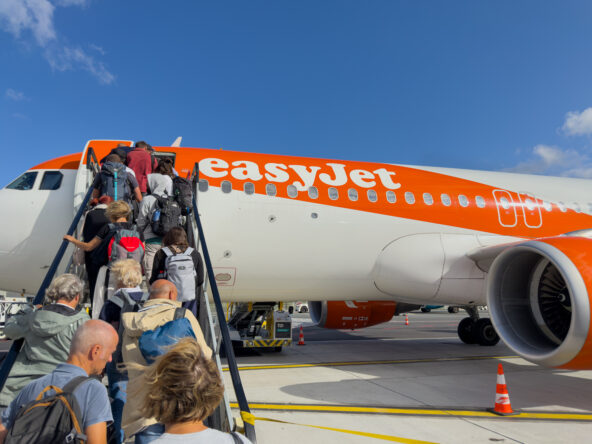
Most people just accept it as part of the deal. You save money, but your knees pay the price. That balance might be starting to change, though, because one of the UK’s biggest low-cost airlines is finally giving passengers a bit more space. The catch is, you won’t see it anytime soon. Here’s what you need to know about the move, and when it’ll come into practice.
EasyJet is adding more legroom, but not in the way you’d expect.
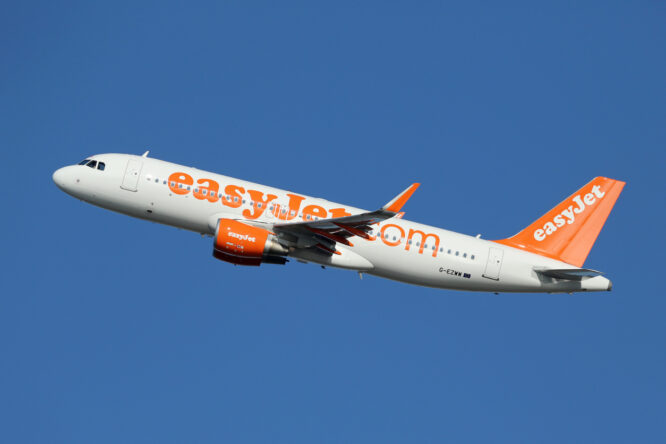
EasyJet is rolling out a brand new type of seat across its future aircraft, and the big selling point is extra legroom. Instead of squeezing in more rows like many airlines have done over the years, this is actually about giving passengers a bit more breathing space.
The new design comes from a manufacturer called Mirus, and it’s called the “Kestrel” seat. It’s not a dramatic overhaul of economy travel, but it’s a noticeable change in thinking for a budget airline, where comfort usually comes second to keeping costs down.
The extra space comes from smarter design, not bigger seats.
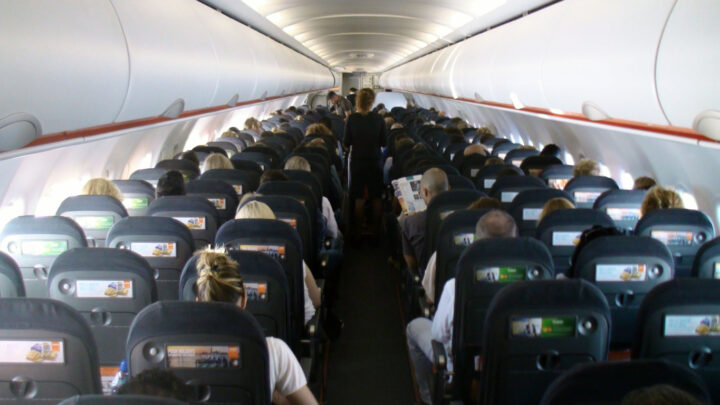
What’s interesting here is how they’ve managed to create more room without changing how many seats are on the plane. Normally, more legroom means fewer passengers, which airlines don’t like because it hits their profits. Instead, these seats are slimmer and more efficient, which frees up space for your legs without reducing capacity. The result is around two extra inches of legroom, taking it from roughly 28 or 29 inches up to about 31.
It might not sound like much on paper, but anyone who’s been stuck on a two or three-hour flight with their knees pressed into the seat in front will know that even a small increase can make a big difference.
They’re “pre-reclined,” which solves a common annoyance.
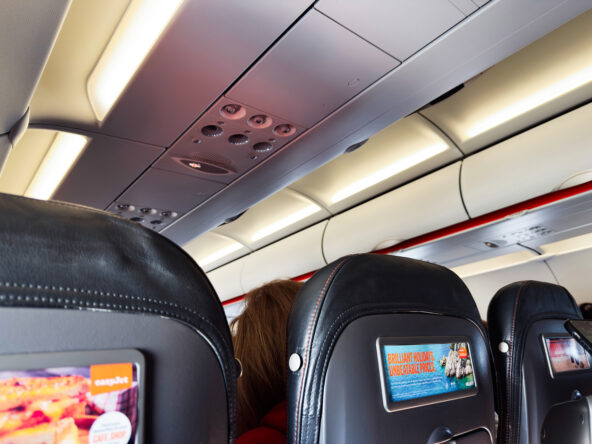
One of the more interesting parts of this design is something called “pre-reclining”. Instead of letting passengers lean their seats back into the person behind them, the seat is already set at a fixed angle. That means you still get a slightly more relaxed position, but without that awkward moment where someone suddenly drops their seat into your lap mid-flight. It also creates more knee and shin space, which is where a lot of the discomfort usually comes from.
They’re lighter, too, and that’s more important than you’d think.
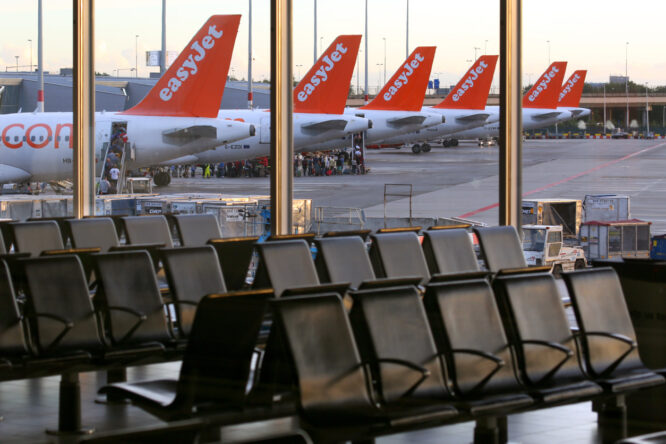
These new seats are also significantly lighter than traditional ones, which might sound like a small detail but actually plays a big role behind the scenes. Lighter seats mean less overall weight on the aircraft, which leads to lower fuel use. That helps airlines cut costs and reduce emissions at the same time, which is something they’re under increasing pressure to do.
So, while passengers get a bit more comfort, the airline still benefits financially, which is usually the only way these kinds of upgrades actually happen.
You’ll have to wait until 2028 to try them.
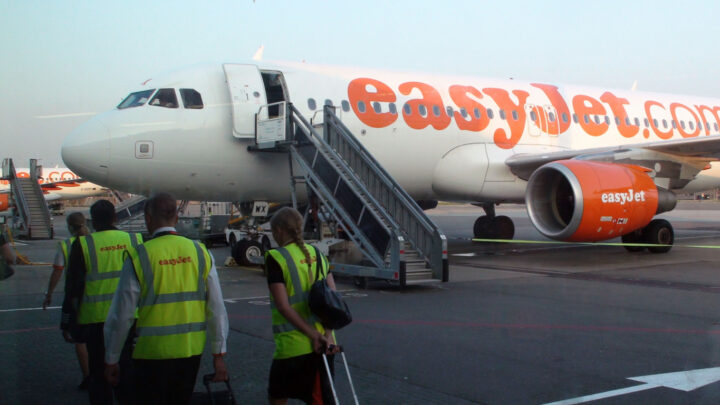
If this all sounds like a long-overdue upgrade, there’s one downside. These seats won’t start appearing until 2028, and even then, they’ll only be on newer aircraft at first. The plan is to roll them out across EasyJet’s future Airbus A320neo and A321neo fleet, which means it’ll take a while before they become the norm across all routes. In other words, don’t expect your next quick trip to Spain to suddenly feel more spacious just yet.
This fits into a bigger trend across the airline industry.
Even though budget airlines have traditionally focused on keeping prices low above everything else, there’s been a noticeable change recently. More airlines are experimenting with ways to make economy slightly more comfortable without turning it into a premium product. Some are adding extra-legroom sections you can pay for, while others are redesigning seats to feel less cramped overall. It’s all about finding that middle ground where passengers are willing to pay a bit more, but not business-class prices.
The difference this will make to everyday travellers
For most people, flying economy isn’t a luxury experience, it’s just the only realistic option. So even small improvements like this can have a real impact, especially on longer flights. A couple of extra inches might not sound life-changing, but it can be the difference between feeling stiff and uncomfortable when you land, or at least somewhat human.
It’s a small change, but it says a lot.
What makes this interesting isn’t just the seats themselves, it’s what they represent. Budget airlines have spent years cutting things back to keep fares low, so any move towards improving comfort stands out. It suggests that passenger expectations are starting to change as well. People still want cheap flights, but they’re also less willing to put up with being completely squeezed in for hours at a time. If this works, it wouldn’t be surprising to see more airlines follow the same approach.