Car theft in the UK is still a serious problem, and while the numbers move slightly year to year, the overall risk hasn’t really gone away.
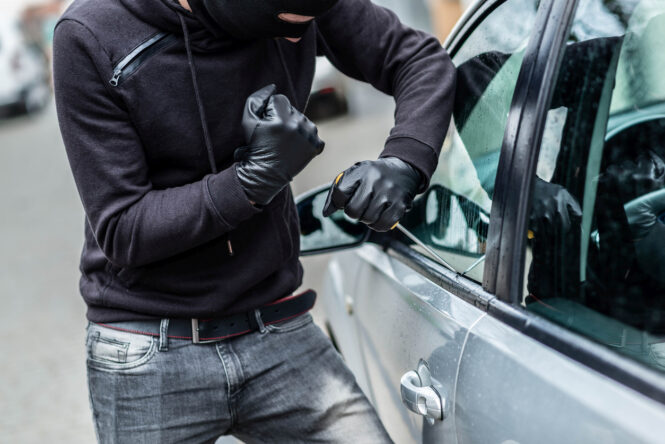
Around 54,000 vehicles were stolen in 2025, according to data from What Car?, which works out at roughly 150 cars a day. What catches people off guard is that it’s not just high-end vehicles being targeted. In reality, it’s often the most ordinary, everyday cars that are taken the most, simply because they’re easier to move on and harder to trace.
The most stolen cars are usually the ones you see everywhere.
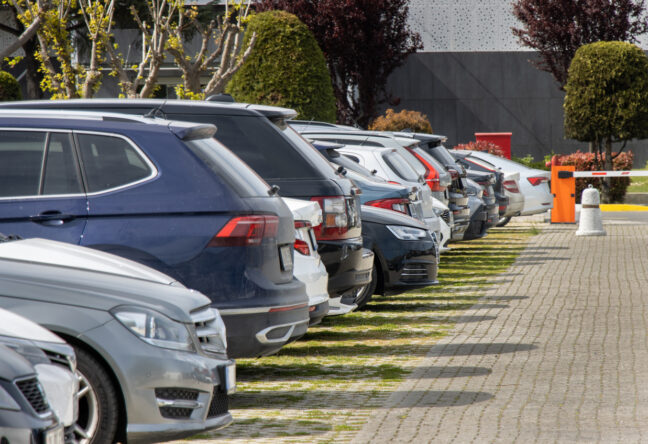
The cars that top theft lists aren’t rare or flashy. They’re the ones parked on almost every street, like the Ford Fiesta, Volkswagen Golf and Ford Focus. These cars are everywhere, which makes them far easier for thieves to blend in with. Their familiarity also makes them easier to sell or strip for parts without raising suspicion. When there are thousands of identical vehicles on the road, it becomes much harder to track where individual parts have come from.
Theft numbers are still high even when they drop.

You’ll often hear that car theft is falling slightly, but the bigger picture tells a different story. Even with small dips, tens of thousands of vehicles are still stolen every year. That means the risk hasn’t really disappeared. It’s just stabilised at a higher level than it used to be, which is why it still feels like a common issue rather than something rare.
Newer cars aren’t as safe as people assume.

There’s a common belief that newer cars are harder to steal, but modern technology has created new weaknesses. Keyless entry systems, in particular, have opened the door to new types of theft. Instead of breaking in, thieves can now use signal devices to unlock and start cars remotely. It’s quick, quiet, and often leaves very little sign that anything has happened.
Hybrid and SUV models are becoming more attractive targets.
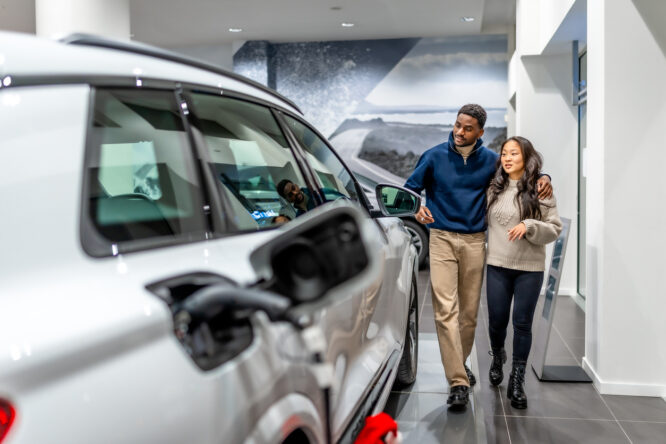
There’s been a clear move towards larger vehicles and hybrids being stolen more often. These cars tend to hold their value better and are in higher demand, which makes them more appealing. They’re also more likely to be targeted by organised groups rather than opportunistic thieves, which changes how they’re stolen and where they end up.
Popular brands come with higher risk.
Certain brands appear again and again in theft data, not because they’re poorly made, but because they’re so widely owned. Ford, BMW, and Toyota regularly show up near the top. The more common the brand, the easier it is for stolen vehicles or parts to disappear into the market without standing out.
Luxury cars are stolen differently.
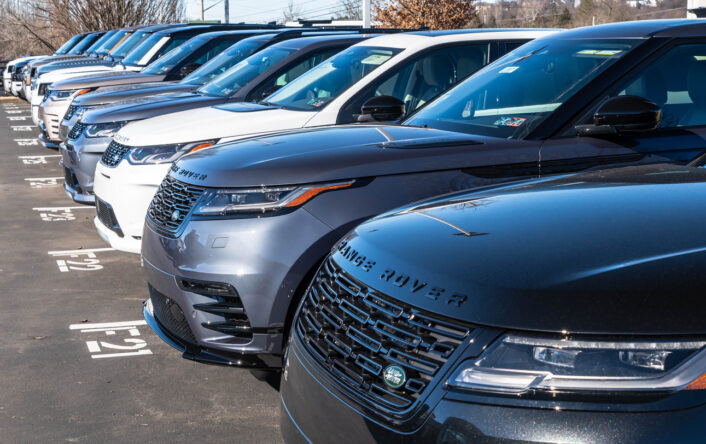
Higher-end vehicles are still very much a target, but they’re usually handled in a different way. Instead of being broken down locally, they’re often moved quickly or shipped abroad. This makes them harder to recover and more valuable to organised crime groups, even though they make up a smaller share of total thefts.
Keyless theft has changed the whole game.

One of the biggest changes in recent years is how cars are actually stolen. Keyless entry has made life easier for drivers, but it’s also made things easier for thieves. Relay devices can pick up the signal from your car key inside your home and use it to unlock and start the vehicle outside. It can happen in seconds without any forced entry.
Many stolen cars are never driven again.
A large number of stolen vehicles don’t end up being used on the road. Instead, they’re broken down and sold as parts, which is often more profitable and harder to trace. This is one of the main reasons common cars are targeted so heavily, as there’s always demand for affordable replacement parts.
Theft levels are still higher than they used to be.
Even with recent improvements, car theft is still significantly higher than it was a decade ago. That long-term rise is what keeps it feeling like a persistent problem. So, while headlines might suggest things are improving, the reality is that theft remains a regular part of life for many drivers.
The scale of theft is bigger than most people realise.
When you break it down, around 150 cars are stolen every day across the UK. That’s roughly one every 10 minutes. Seeing it in those terms makes it clear that this isn’t a rare or isolated issue. It’s something happening constantly, often in ordinary neighbourhoods.
Older versions of cars are still easier to target.
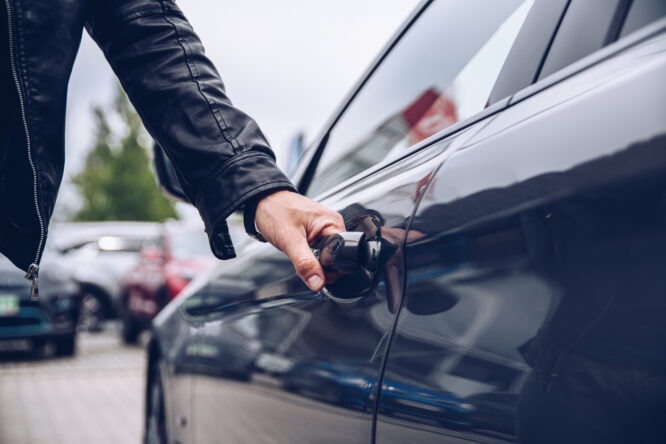
Even within the same model, older versions are often stolen more frequently. They tend to have weaker security systems and fewer protections against modern theft methods. That makes them easier to access and quicker to deal with, which is exactly what thieves are looking for.
Better security is starting to make an impact.
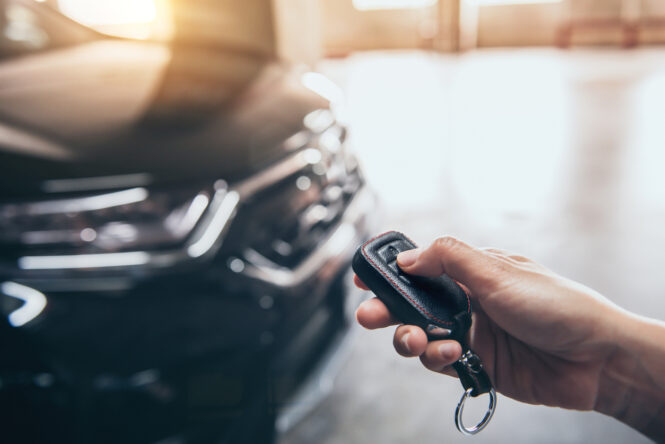
Car makers have started improving security in response to rising theft rates, and in some cases, that’s beginning to show in the data. However, there’s always a delay before these improvements make a wider difference, especially with older cars still on the road.
Where you park still plays a big role.

Even with all the new technology involved, basic factors still matter. Cars left on the street or in poorly lit areas are generally more at risk than those kept on driveways or in garages. Thieves tend to go for easy opportunities, so anything that makes your car harder to access can reduce the chances of it being targeted.
Most stolen cars in the UK right now
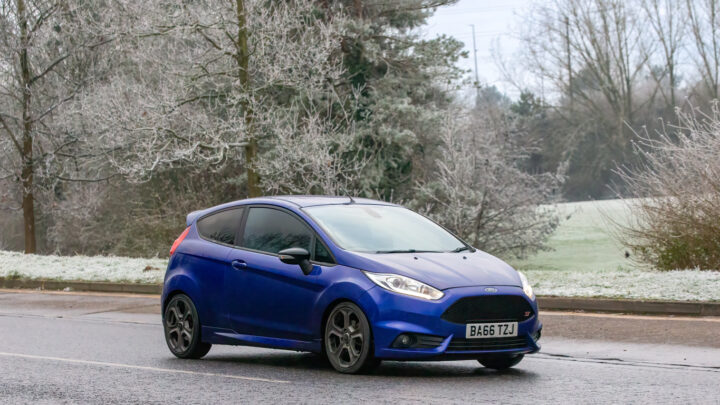
Recent data shows that the same handful of models keep appearing again and again when it comes to theft. These are the vehicles most commonly targeted across the UK at the moment:
1. Ford Fiesta
2. Volkswagen Golf
3. Ford Focus
4. BMW 3 Series
5. Toyota RAV4
6. Nissan Qashqai
7. Mercedes-Benz C-Class
8. Range Rover Sport
9. Vauxhall Corsa
10. Land Rover Discovery
What stands out straight away is how normal most of these cars are. These aren’t rare supercars, they’re everyday vehicles that are easy to blend in, easy to sell, and often packed with parts that are in constant demand. If you own one of these models, it doesn’t mean it’s guaranteed to be stolen, but it does mean it’s worth being a bit more aware and taking a few extra precautions where you can.