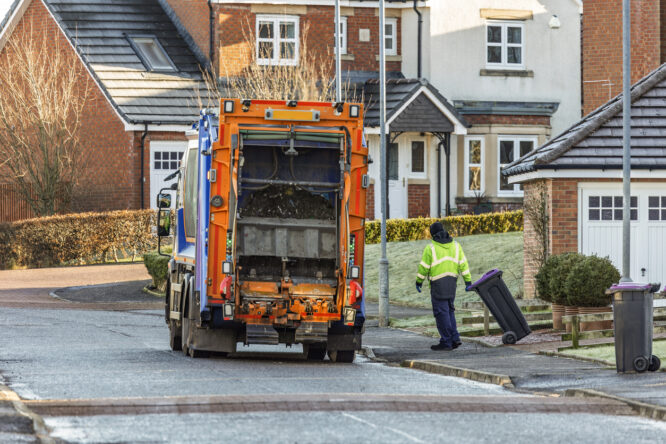
It feels like the most natural thing in the world to pop an old till receipt in the paper recycling, but most receipts shouldn’t go there at all.

The vast majority are printed on thermal paper, which has a special chemical coating that makes it unsuitable for normal paper recycling, so waste experts say they belong in your general rubbish instead. Receipts aren’t the only everyday item that causes confusion either, with crisp packets, coffee cups and wet wipes among the things that regularly end up in the wrong bin. Here’s why receipts are a problem, and which other household items to keep out of your recycling.
Receipts are different from your standard recyclable paper.
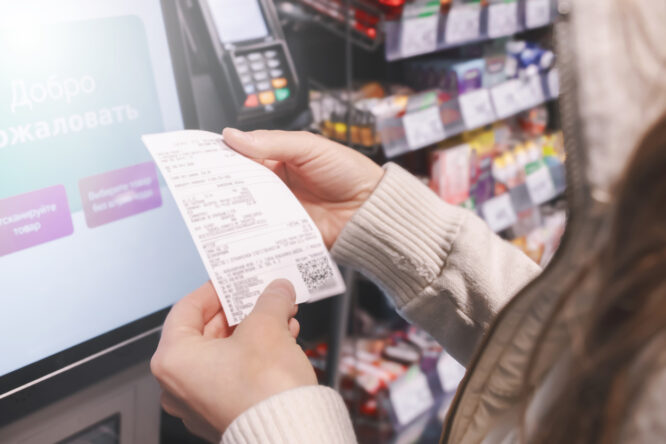
Most shop receipts are printed on thermal paper, which doesn’t use ink at all. Instead, the paper has a coating that changes colour when it’s heated by the printer, which is why receipts often feel slightly shiny and why the writing fades over time.
That coating contains chemicals that can contaminate a batch of recycled paper, so recycling centres don’t want it mixed in with your newspapers and cardboard. In the past, some thermal paper contained a chemical called BPA, which has been restricted in till receipts in the UK since 2020, but receipts are still treated as general waste because of the coating.
How to tell if it’s thermal paper

The easiest clue is the feel—thermal paper usually has a smooth, slightly glossy finish on the printed side. You can also try gently scratching the surface with a fingernail or a coin, and if it leaves a dark mark, it’s almost certainly thermal paper. Card machine slips, cash machine receipts, car park tickets, and many cinema and train tickets are usually printed the same way. If you’re not sure, it’s better to put it in the general waste than risk spoiling a load of good recycling.
Cutting down on paper receipts is the key.
One simple way to deal with the problem is to avoid taking a printed receipt in the first place, especially for small purchases you’re unlikely to return. Many shops will now email you a receipt instead, or show your purchases in their app, which also means you’re less likely to lose it.
It’s still worth keeping receipts for bigger buys, as you may need proof of purchase if something goes wrong, or you want to make a return. Taking a photo of an important receipt is a good idea because thermal paper fades and can become unreadable after a few months.
Crisp packets and coffee cups can be problematic.
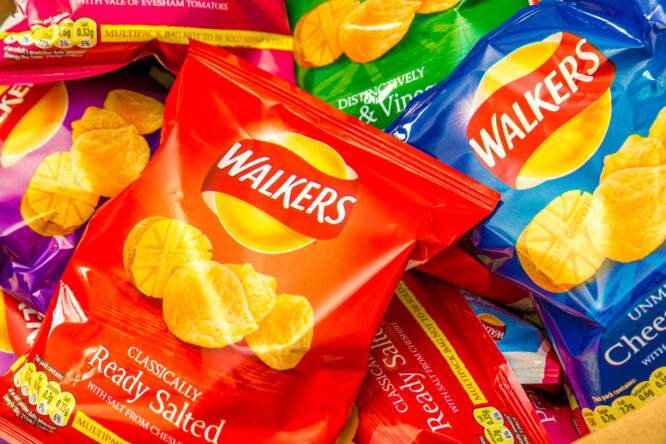
Crisp packets and sweet wrappers are made from layers of plastic and foil that can’t usually be recycled through household collections. Waste management expert Graham Flynn suggests taking them to supermarket soft plastic recycling points where they’re accepted, and many large supermarkets now have collection bins near the entrance.
Takeaway coffee cups are another common mistake because they have a thin plastic lining that stops them being recycled with ordinary paper and card. Some coffee shops and stations have dedicated cup recycling points, but the simplest solution is to carry a reusable cup.
Tubes, trays, and wrapping paper should also be handled with care.
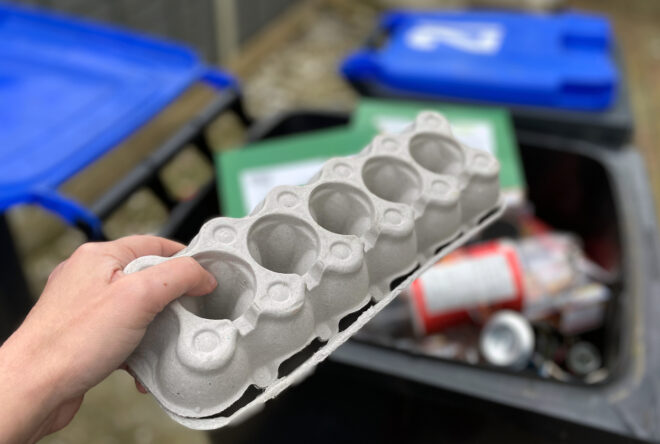
Pringles tubes are made from layers of cardboard, plastic, and metal that are difficult to separate, so unless your council accepts them or there’s a special scheme near you, they should go in general waste. Toothpaste tubes are a similar mix of plastic and aluminium, although some shops and dental practices offer specialist collection points.
Black plastic food trays from ready meals and takeaways aren’t accepted everywhere, since some sorting machines can’t detect them, so check your council’s guidance. With Christmas on the way, it’s also worth knowing that wrapping paper with glitter, foil, or a metallic finish can’t be recycled, and a quick scrunch test helps, as paper that stays in a ball is more likely to be recyclable.
Wet wipes, tea bags, and hoses can be complicated as well.
Most wet wipes contain plastic fibres, so they can’t be recycled and should go in your general rubbish, never down the toilet, even if the packet says they’re flushable. Flushed wipes are one of the biggest causes of blocked sewers, which can lead to flooding and costly repairs.
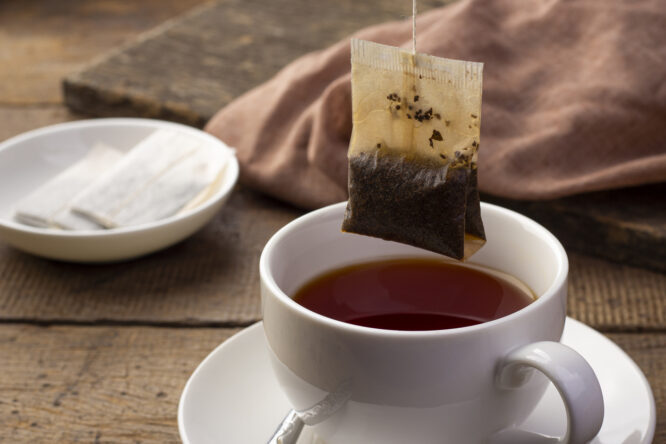
Some tea bags also contain small amounts of plastic used to seal them, which means they can’t be composted, although plastic-free versions can go in with your food or garden waste. Old garden hoses are made from tough mixed plastics, so if they still work, give them away, and if not, check whether your local recycling centre takes them.
Why efficient and correct recycling practices are so important
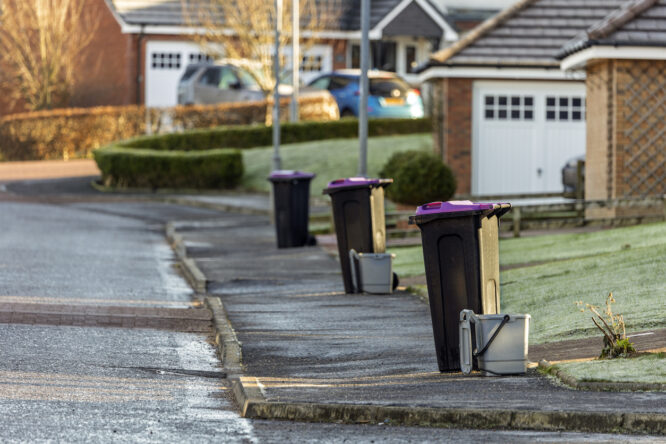
England’s household recycling rate has been stuck at around 43.7%, and putting the wrong things in the recycling bin is part of the problem. When items that can’t be recycled get mixed in, they can contaminate whole loads, which may then end up being sent for disposal instead.
Getting it right doesn’t take much effort once you know the rules, and it means the things you do recycle are more likely to be turned into something new. It can also help you avoid problems with your council, as some may refuse to empty a recycling bin that’s clearly contaminated.
How to check your local rules
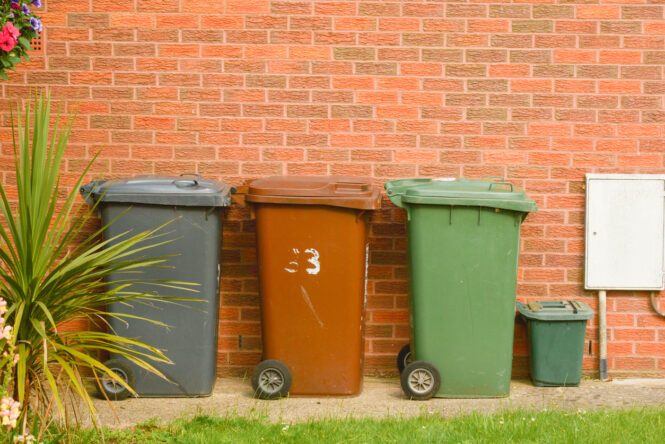
Recycling rules vary from one council to another, so the best place to check what you can and can’t recycle is your local council’s website. The Recycle Now website also has a handy tool where you can enter your postcode and search for a specific item to see where it should go.
When in doubt, the general rule many councils use is “if in doubt, leave it out”. It might feel wasteful to put something in the general bin, but it’s better than spoiling a whole load of recycling that could otherwise have been used.