Most of us try to do the right thing with our recycling, but under new rules in England, putting the wrong item in the wrong bin could prove costly.
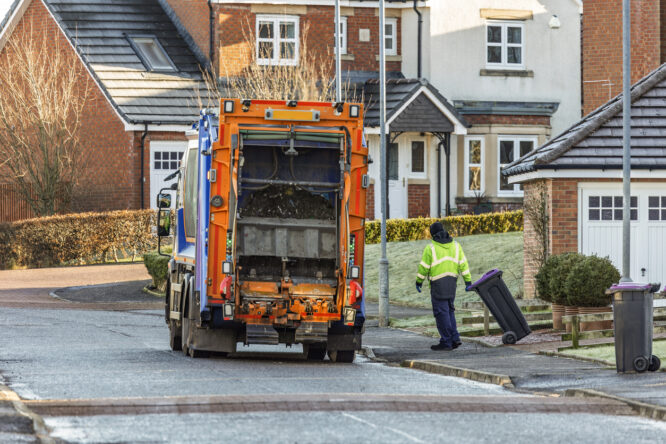
The government’s Simpler Recycling scheme, which came into force for households on 31 March this year, sets out exactly what can and can’t go in each bin, and reports suggest households could face fines of up to £400 for getting it wrong. Many of the banned items are things we’d assume were fine, from drinking glasses and light bulbs to coffee pods and packaging labelled compostable. Here’s what the new rules mean, how fines work and the full list of 38 items to keep out of your recycling.
What is the Simpler Recycling initiative?
Simpler Recycling is a government scheme designed to make recycling the same across England, so that you can recycle the same materials whether you’re at home, at work or at school. The Department for Environment, Food and Rural Affairs, or DEFRA, said the aim was to end the “postcode lottery” of bin collections, where what you could recycle depended on where you lived.
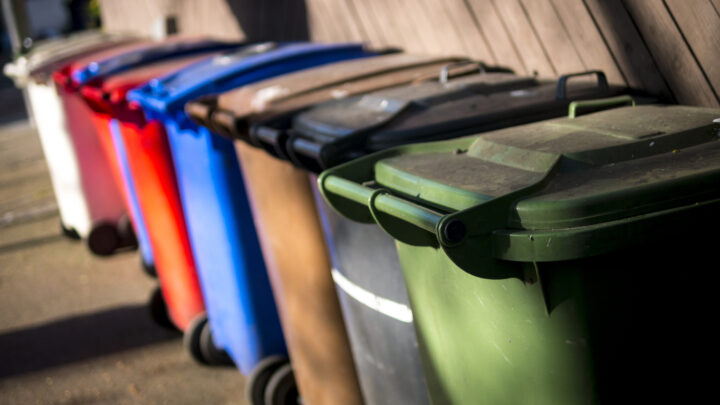
Under the rules, councils have to collect four separate types of waste, which are food and garden waste, paper and card, all other dry recycling such as glass, metal and plastic, and general rubbish. Councils also have to offer weekly food waste collections, and most plastic film, such as bags and wrapping, is due to be added to household recycling collections by the end of March 2027.
Why the wrong items cause problems
When items that can’t be recycled end up in a recycling bin, they can contaminate a whole load, which can then end up being sent for disposal instead. Broken glass from items like mirrors and drinking glasses can also melt at different temperatures to bottles and jars, which causes problems at recycling plants.
Things like batteries and electrical items are a particular worry because they can start fires in bin lorries and recycling centres. Getting it right helps keep costs down for councils, which is good news for everyone who pays council tax.
How fines work

Brit Brief reports that households in England could face fines of up to £400 for putting banned items in their bins. In practice, councils usually start by giving advice or a warning, and they generally have to give you a written warning before they can issue a penalty for problems with how you present your waste.
Fines are usually used for repeated or serious problems rather than a one-off mistake, but it’s still worth knowing the rules. If you receive a warning letter or notice, read it carefully, as it should explain what went wrong and what you need to do to put it right.
Check before you throw.
Many of the items on the list cause confusion because they’re made from materials that seem recyclable, such as glass or metal. A drinking glass, for example, isn’t made in the same way as a glass jar, and a saucepan isn’t the same as a food tin, even though they’re both metal.
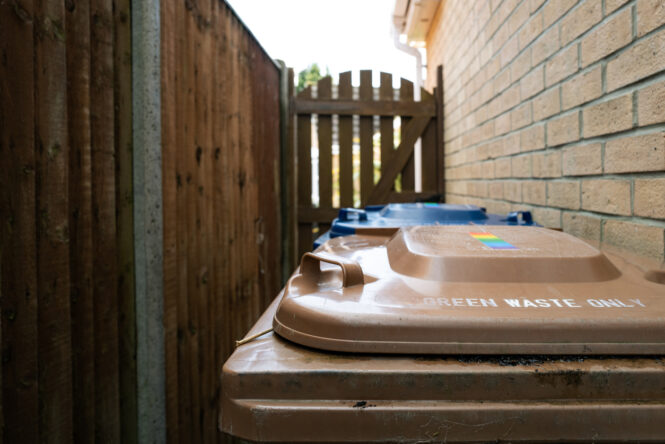
Labels can be misleading too because packaging marked as “compostable” or “biodegradable” usually can’t go in your food waste or plastic recycling. These items often need special industrial composting, which most councils don’t offer.
The 38 items to keep out of your bins
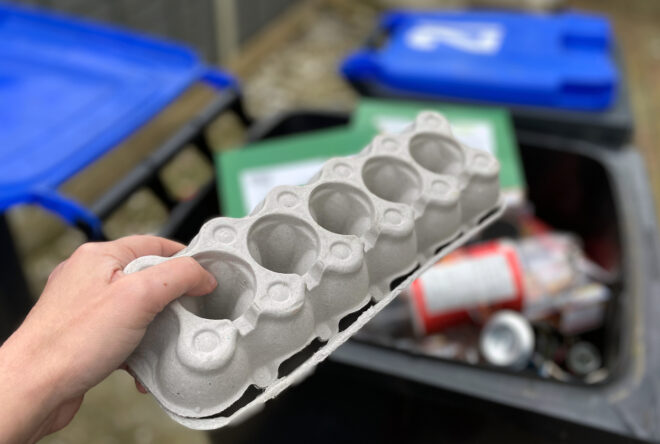
Here’s the full list of items that shouldn’t go in each bin under Simpler Recycling, as reported by Brit Brief.
Glass recycling: candles
Glass recycling: drinking glasses
Glass recycling: flat glass
Glass recycling: glass cookware, such as Pyrex
Glass recycling: light bulbs and tubes
Glass recycling: microwave plates
Glass recycling: mirrors
Glass recycling: vases
Glass recycling: window glass
Glass recycling: ceramics, such as crockery and earthenware
Metal recycling: laminated foil, such as pet food and coffee pouches
Metal recycling: electrical items
Metal recycling: batteries
Metal recycling: cutlery
Metal recycling: pots and pans
Metal recycling: kettles
Metal recycling: irons
Metal recycling: pipes
Metal recycling: metal containers that have held white spirit, paint, engine oil or antifreeze
Plastic recycling: packaging labelled compostable or biodegradable
Plastic recycling: other items labelled compostable or biodegradable, including coffee pods
Plastic recycling: plastic bottles that have held white spirit, paint, engine oil or antifreeze
Plastic recycling: bulky rigid plastics, such as garden furniture, bins, and toys
Plastic recycling: polystyrene packaging, such as packing beads
Plastic recycling: PVC packaging
Paper and card recycling: food and drink cartons
Paper and card recycling: nappies, period products and incontinence products
Paper and card recycling: cotton wool and make-up pads
Paper and card recycling: tissues and toilet paper
Paper and card recycling: wet wipes
Food waste: anything labelled compostable or biodegradable, including coffee pods
Garden waste: animal bedding
Garden waste: bulky waste, including garden furniture and fencing
Garden waste: garden tools and equipment
Garden waste: plant pots
Garden waste: plastics
Garden waste: sand, sawdust, stone, gravel, and bricks
Garden waste: tea bags and coffee grounds
Where these items should go instead
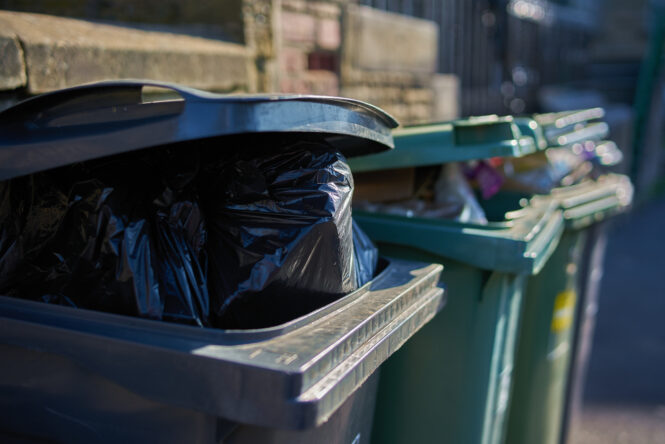
Most of these items belong in your general rubbish, including drinking glasses, ceramics, wet wipes, nappies, and tissues. Food and drink cartons may still be collected separately in some areas, so check your council’s guidance, while tea bags and coffee grounds can usually go in your food waste caddy instead of the garden waste bin.
Batteries, light bulbs and electrical items should never go in any household bin, and most supermarkets and electrical shops have free collection points for them. Larger items such as garden furniture, kettles, and pots and pans can be taken to your local household waste recycling centre, or donated to a charity shop if they’re still in good condition.
Make sure you’re up on the latest rules.

It’s important to ensure that you really know what your council collects in each bin, as the rules may have changed since you last checked. Taking a few minutes to look at your council’s website could save you a lot of hassle later on.
It also helps to think about where things go in your home, for example by keeping a small box for batteries and dead light bulbs so they don’t end up in the wrong bin by mistake. Making it easy for everyone in the household to get it right is the simplest way to avoid problems.
How to check your local guidelines

Your council’s website should have up-to-date details of what goes in each bin, along with collection days and how to order a new bin or food caddy. The Recycle Now website also has a free postcode tool where you can search for any item to find out how to get rid of it. If you’re unsure about a particular item, the safest option is usually to put it in your general rubbish rather than the recycling. As many councils say, if in doubt, leave it out.