A standard deck of cards has carried British households through rainy holidays, family get-togethers, and quiet pub nights for generations.

Whether it’s a frantic round of snap at the kitchen table or a tense game of poker once the kids are in bed, a single box tucked into a drawer can rescue an entire evening. However, a new poll of 2,000 adults has had a look at our gaming habits, and it reveals a nation deeply loyal to the classics. Most of us pick up the rules in childhood, passed down by parents or grandparents, and then stick with those same familiar routines for life. Trying something unfamiliar seems to put people right off; the thought of wading through complicated rulebooks or arguing over technicalities is enough to leave most decks gathering dust.
Breaking out of that comfort zone doesn’t have to mean turning games night into an exam, though. A closer look at the numbers shows where our loyalties lie, alongside a few straightforward ways to pick up fresh games without the headache.
The nation’s favourite card games are seemingly set in stone.
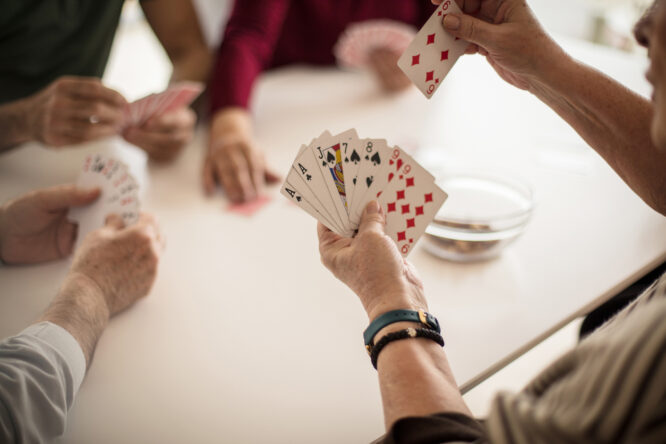
Blackjack, poker, and patience came out on top as the games Brits most enjoy playing. Patience is the one you play alone, so it’s a good option for a quiet afternoon. Blackjack and poker bring more of a casino feel, even when they are played at the kitchen table for matchsticks.
Close behind were snap, rummy and go fish, which many of us first met as children. These games are easy to teach and quick to play, which helps explain why they have lasted for generations. The firm that paid for the research said there is something for everyone in a simple deck, from the nostalgic classics to the more daring games.
Almost half of us stick with what we know.

The poll found that 49% of people prefer to play the games they already know. That’s almost one in two. For many, familiar rules mean a relaxed game, with no need to stop and check what happens next.
There are several reasons. Around a third, 35%, simply don’t like being taught something new with a deck of cards. Another 29% said they don’t have the patience or attention span to learn a fresh game. It seems that for lots of us, cards are about unwinding, and learning a new set of instructions feels like hard work.
The stress of learning the rules is too much for some people.

Many people find new rules hard to take in. Explanations tend to come all at once, with talk of tricks, suits, trumps, and scoring that can leave a beginner feeling lost. Some players admit that they feel stressed when someone is teaching them a game for the first time.
That feeling is easy to understand. Nobody wants to hold up a game or look foolish in front of friends and family. When the rest of the table is eager to start, and you’re still working out what a round involves, it’s tempting to say you would rather watch.
It takes a while to feel confident with a new game.

Learning a new game is a slow process for most of us. Only 3% of people felt confident about a new game the first time they played it. The rest need more practice, and 17% said it takes them more than six goes before they are comfortable.
That’s worth bearing in mind if you’re the one doing the teaching. A beginner who looks puzzled in round one may well be a keen player by round six. Patience from the rest of the table makes a big difference, and a relaxed first game with no pressure to win helps a lot.
Where we learn our games

Most of us pick up card games at home. Nearly half, 47%, learned the ones they know from their parents. Another 36% were taught by friends, and 18% learned from their grandparents, which suggests that many of these games are handed down through families.
On average, Brits know four different games. That’s enough to keep an evening going, though it also shows how limited our choice can be. If the people who teach us only know a few, those are the ones that spread, and new games have a hard time getting a look in.
There are some things many of us don’t know about the deck.

The poll also turned up some surprises about the cards themselves. Three in ten people, 31%, did not know that a standard deck has 52 cards. Another 17% were unaware that there are four different suits. That might sound odd, but it’s possible to play plenty of games without ever counting the cards or thinking about the suits. It’s a reminder that many of us learn by doing, rather than by reading the rules. If you’re curious, the four suits are hearts, diamonds, clubs and spades, and each has 13 cards.
Some people enjoy when friends add a wager.

A small number of players like to raise the stakes. Around 13% said they add a bet when they play with friends. This is more common with games such as poker and blackjack, where wagers are a traditional part of the fun.
A second poll of 2,000 adults looked at what people tend to choose when they do. The most popular moves were to bet on red, to gravitate towards the hearts suit and to pick even numbers. If you play for money, it’s wise to agree a limit beforehand, keep the stakes small and remember that cards are meant to be a pastime and not a way to make money.
Favourite cards and numbers
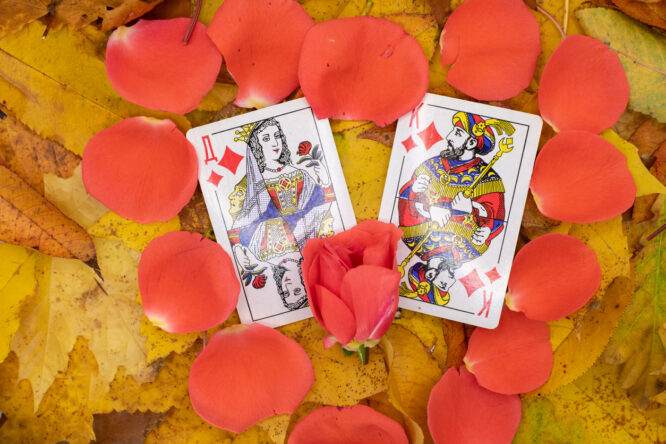
People also have strong opinions about individual cards. The king was the favourite of the face cards, while the jack was the least liked. It seems that the king, as the most senior card in the line-up, has an appeal that the jack cannot match.
When it came to numbers, seven was the clear favourite, which is no surprise given its reputation for luck. Five came second and ten third. Lucky numbers and favourite suits may make no difference to the result, but they add to the enjoyment of the game.
There are some simple tips picking up a new game if you’re curious.
If you would like to try something different, start with a game that’s similar to one you already know. Rummy, for example, shares ideas with other matching and collecting games, so it’s a gentle step up from snap or go fish. Ask the person teaching you to explain the aim of the game first, before going through the details.
Play a practice round with the cards face up, so that everyone can see what is happening and ask questions. Write down a short summary of the rules or look one up on your phone, and keep it handy for the first few games. Most of all, relax and laugh at the mistakes. A game is only a game, and the best part is usually the company.