Our beds are meant for sleeping, but for many of us they’re where so much more of daily life happens.

From cups of tea to film nights and late-night chats, a new survey of 2,000 adults by Silentnight and University of Manchester Professor Sasha Handley shows just how busy our mattresses really are. Some of these habits help us relax, while others could be quietly affecting how well we sleep. Here’s what Brits get up to in bed, which habits are good for you and how to make sure your bed is helping you rest.
The habits that happen in bed aren’t what you’d think.

The average person hits the snooze button an incredible 402 times a year. They also enjoy around 103 cups of tea in bed and tuck into 18 breakfasts there. Not surprisingly, those snacks and drinks lead to around nine spills a year.
Many people also use their bed as a place to unwind in front of a screen, watching around 44 films or television shows from under the covers each year. Beds can also be where tempers flare, with couples having around 13 disagreements in bed a year. On a happier note, many people chat through their day in bed around three times a week, either with a partner or on the phone.
Bed is home to some of our favourite ways to relax.

Away from sleeping, reading a book is the most popular thing to do in bed, enjoyed by 23% of people. Snuggling up with a partner came next at 20%. Simply relaxing quietly was the favourite for 15%.
More than half of people say the bedroom is where they feel most comfortable and relaxed. Almost a third admit they’d happily stay in bed all day if they could. For many, it’s a personal space to escape the busy world outside.
There are certain habits you can enjoy in bed that also help you sleep.

Reading is one of the best ways to wind down before bed, especially with a paper book rather than a bright screen. It gives your mind something calm to focus on and can help you feel sleepy. Even ten minutes can make a difference.
Chatting about your day with a partner or loved one can also be a positive habit. Talking things through helps clear your mind and can make you feel closer to each other. Quiet time spent relaxing in bed can help your body slow down ready for sleep too.
Other habits could keep you awake.

Hitting snooze might feel good, but drifting in and out of sleep for a few extra minutes often leaves you groggier rather than more rested. Setting your alarm for the time you really need to get up is usually better. Watching television or scrolling on your phone late at night can also keep your brain alert and push back the time you fall asleep.
A cup of tea in the morning is fine, but regular tea contains caffeine, which can make it harder to drop off if you drink it in the evening. Herbal or caffeine-free teas are a better choice later in the day. Going to sleep after a disagreement can also lead to a restless night, so it helps to settle things earlier in the evening.
Sharing the bed is common, even for single people.

Around a quarter of parents say their children regularly climb into bed with them. It’s a common habit, especially when little ones have bad dreams or are feeling unwell. It can be comforting, though it may mean more broken sleep for everyone.
Pets are more of a talking point. Around 16% of people are very happy to share their bed with a dog or cat, while 31% are firmly against it. If you do let your pet on the bed, washing bedding regularly can help keep it clean and fresh.
Your mattress plays a big part in your sleep quality.
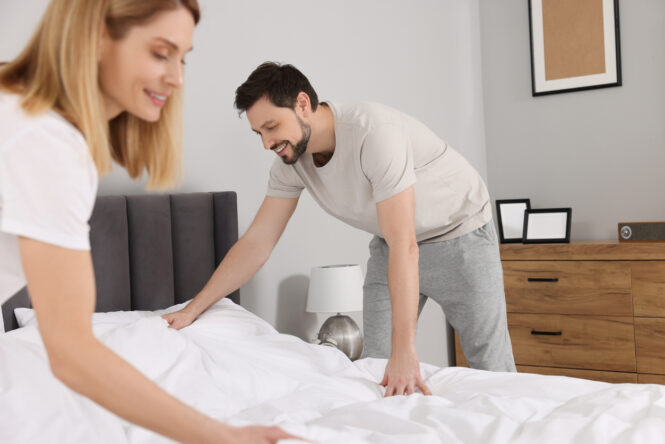
Six in ten people say their mattress is the most important part of their bed, ahead of fresh sheets and a cosy duvet. Almost everyone agrees a good mattress helps them sleep well. Most also believe it plays a big part in their overall health.
Despite this, more than one in five people aren’t sure how often they should replace their mattress. As a general guide, many experts suggest replacing it every seven to ten years. You may need a new one sooner if it’s sagging, lumpy or no longer comfortable.
Signs it’s time for a new mattress

If you often wake up feeling stiff, achy or tired, your mattress could be to blame. Dips, lumps, or springs you can feel are clear signs it’s past its best. Sleeping better in a hotel or spare bed can also be a clue.
When choosing a new mattress, take your time and try a few in store if you can. Everyone’s needs are different, depending on how they sleep and any aches or pains they have. Many retailers offer trial periods, so check the returns policy before you buy.
Keeping your bed fresh should be a priority.
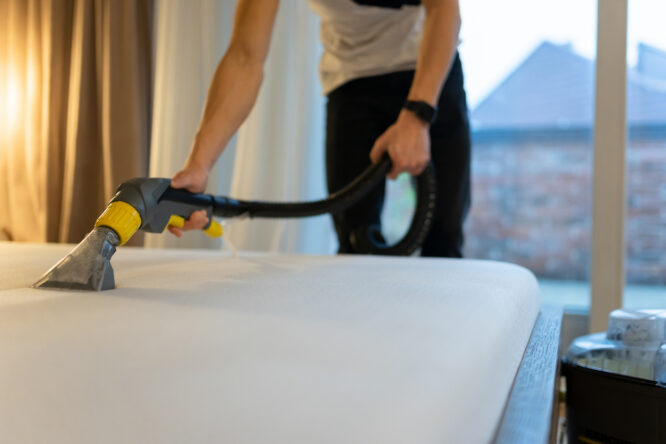
Breakfast in bed is a lovely treat now and then, but crumbs and spills can make bedding grubby and attract dust mites. A mattress protector can help guard against stains, and it should be washed regularly along with your sheets and pillowcases. Changing bedding every week or two helps keep your bed clean and comfortable.
Check the instructions to see whether your mattress should be turned or rotated, as this helps it wear evenly. Open a window for a while each day to let fresh air into your bedroom. Going to bed and getting up at similar times each day, and switching off screens around an hour before sleep, can also make a big difference to how well you rest.