
Getting ready for an emergency has been on a lot of minds lately, with more people wondering if they ought to keep a bit extra in the cupboards.
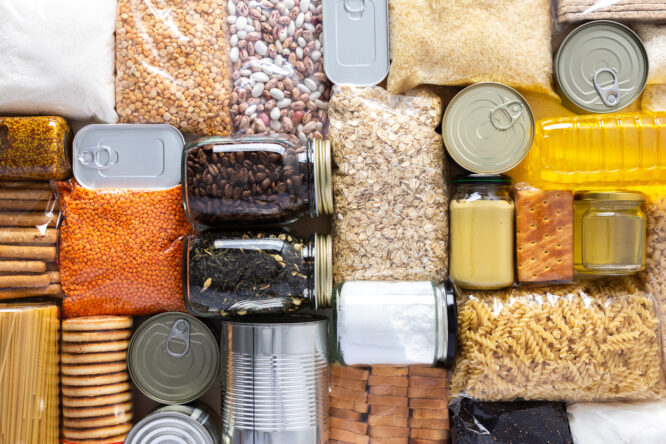
In fact, the government has advised Brits to ensure they have three days worth of supplies on hand in case of an emergency, especially as deep winter storms, flash floods, sudden power cuts, and unexpected digital outages can knock everyday routines sideways with next to no notice.
Nobody is saying you need to dig an underground bunker or stockpile hundreds of tins of beans in the garage. Being ready is mostly about common sense: having enough essentials tucked away to keep everyone warm, fed, and watered if the lights go out or the shops shut their doors.
A handful of basic supplies and a clear plan of action can make all the difference, helping your household get through a rough few days easily.
Being prepared makes sense, and it doesn’t have to be done in a panic.
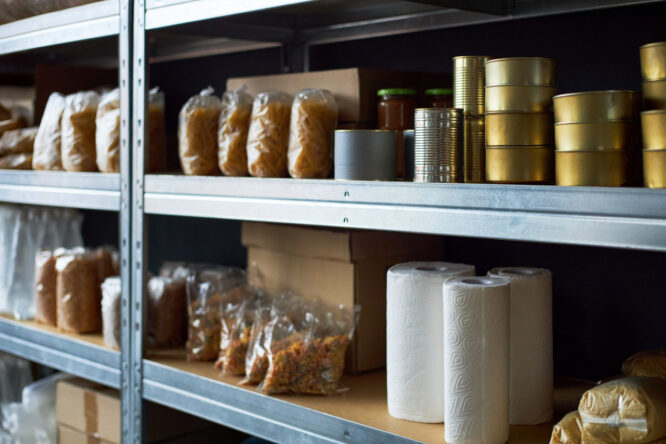
Most emergencies in the UK are short-lived, but they can still cause real disruption. A storm might knock out power for a day or two, or flooding could cut off roads. A major technology failure could stop card payments or online banking working for a while. Having a few basics ready means you won’t need to rush to the shops at the last minute. It can also give you peace of mind. The aim isn’t to panic, but to be able to look after yourself and your family until things return to normal.
Start with the essentials.

The government recommends keeping a small supply of everyday items that could help in an emergency. These include a torch, spare batteries and a radio that runs on batteries or a wind-up handle, so you can hear updates if the power goes off. A fully charged power bank can keep your phone going for longer. Keep a first aid kit, any regular medicines you need and supplies for babies or pets if you have them. Warm clothes and blankets are also handy if heating fails. Store everything together in one place so it’s easy to find.
Food and water should be non-perishable or at least long-life.
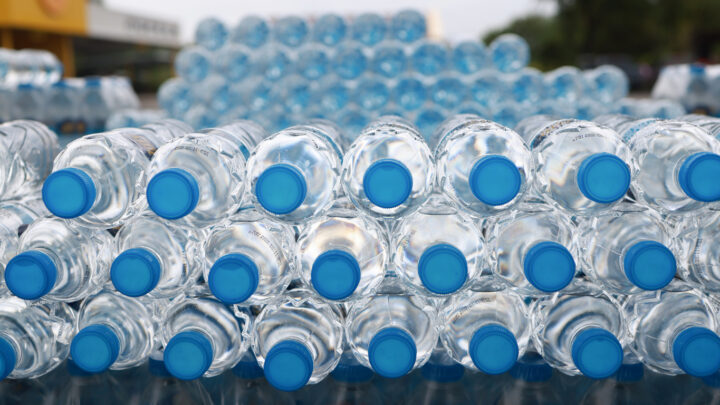
Keep enough bottled water for everyone in your home for a few days. Remember to include water for pets too. If space is tight, a few large bottles tucked in a cupboard can make a big difference. Choose food that doesn’t need cooking or a fridge, such as tinned fish, beans, soup, fruit, crackers and cereal bars. Don’t forget a manual tin opener. Check use-by dates every few months and eat older items before they go out of date, replacing them as you go.
Cash and important information should be kept on hand.

If card machines or cash points stop working, having a small amount of cash at home can help you buy essentials. Keep it somewhere safe and only store what you’d need for a few days. Smaller notes and coins are more useful than large notes.
Write down important phone numbers on paper in case your phone runs out of battery. Include family, neighbours, your GP, your energy supplier and your insurance company. Keeping copies of key documents, such as passports and insurance details, in a waterproof folder can also help.
Make a household plan.

A simple plan means everyone knows what to do in an emergency. Agree how you’ll contact each other if phones don’t work and choose a place to meet if you get separated, and make sure everyone knows where your emergency supplies are kept. Also, find out how to turn off your gas, water, and electricity at the mains. Think about neighbours, older relatives or friends who might need help, and how you could check on them. Talking it through now can save a lot of worry later.
Knowing what to do in case of emergency is vital.

In many emergencies, such as a chemical spill or severe storm outside, the advice is to go inside, stay inside and tune in to local radio or official updates. This helps keep you safe while you find out more. If the emergency is inside your home, such as a fire, get out, stay out and call 999.
If you have a power cut, you can call 105 for free to report it or get updates. People in areas at risk of flooding can sign up for free flood warnings from the relevant environment agency. Following official advice is the best way to stay safe.
Avoid panic buying.
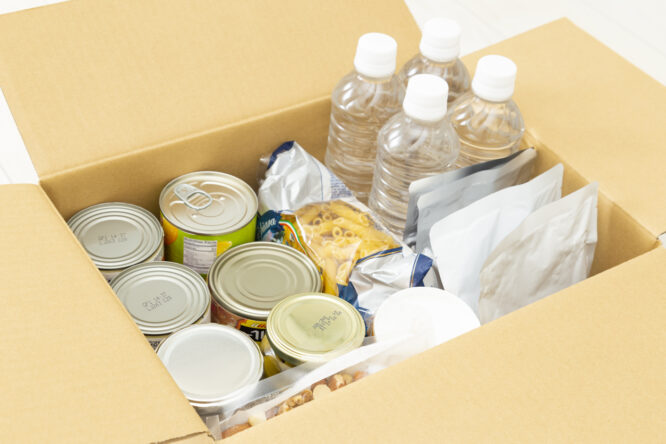
There’s no need to rush out and buy everything at once. Panic buying can leave shelves empty for people who need things most. Instead, add a few extra items to your basket each week until you’ve built up a small supply. You don’t need lots of space either. A box under the bed or a shelf in a cupboard is usually enough for a few days’ worth of essentials. Focus on what your household would really need, rather than trying to prepare for every possible disaster.
Staying safe during a power cut is relatively straightforward.

If you’re cooking without power, never use a barbecue, camping stove or gas heater indoors. These can produce carbon monoxide, a poisonous gas that you can’t see or smell. Use torches rather than candles where possible to lower the risk of fire.
You should also keep fridge and freezer doors shut to help food stay cold for longer. Unplug appliances to protect them when the power comes back on. Finally, don’t forget to check on vulnerable neighbours and family, especially older people, during long outages in cold weather.