More than a third of over-65s who have bought or looked at a used car from a private seller didn’t carry out basic checks first, according to a new survey.

The poll of 2,001 UK drivers, carried out by insurance firm Tempcover, found that 36% of older buyers skipped things like looking at the tyres, checking the warning lights or researching the car’s service history, and one in ten later found a mechanical fault. The worrying part is that many buyers also misunderstand what an MOT certificate actually means, and when they become legally responsible for the car. These are some of the checks worth doing that many people don’t bother with, as well as how to protect yourself when buying a second-hand car.
Lots of second-hand car buyers aren’t discovering problems until after the sale is complete.

The research looked at people who had bought or viewed a second-hand car from a private seller in the past three years. Among over-65s, 36% hadn’t carried out basic checks, and 10% of those who bought a car found a mechanical problem shortly afterwards, with a third of them discovering it within the first 48 hours.
Trust seems to play a big part, as 23% of drivers said they took the seller’s word that the car was in good condition. That might feel like the polite thing to do, especially when buying from someone who seems friendly and honest, but it leaves you relying on what they know, or what they’re willing to tell you.
The MOT myth needs debunking.
One of the most common mistakes is assuming that a car with a valid MOT is completely safe, and 28% of road users believed this, according to the survey. In reality, an MOT only shows that the car met the minimum standards on the day it was tested, and plenty can go wrong in the months between the test and the day you buy it.
An MOT also doesn’t check everything, such as the general condition of the engine, clutch or gearbox, so a car can pass and still need expensive repairs soon afterwards. It’s a useful starting point, but it shouldn’t be the only thing you rely on.
The car becomes your responsibility sooner than you might think.

The survey also found that 28% of motorists over 65 wrongly believe they only become legally responsible for a car’s roadworthiness once the DVLA has updated its records. In fact, you’re responsible for making sure the car is safe and legal to drive from the moment you drive it away.
That matters because if you drive an unroadworthy car, you could face a fine and penalty points, and you might find your insurer is reluctant to pay out if something goes wrong. Getting the checks done before you hand over any money is far easier than sorting out problems afterwards.
The basic checks to do
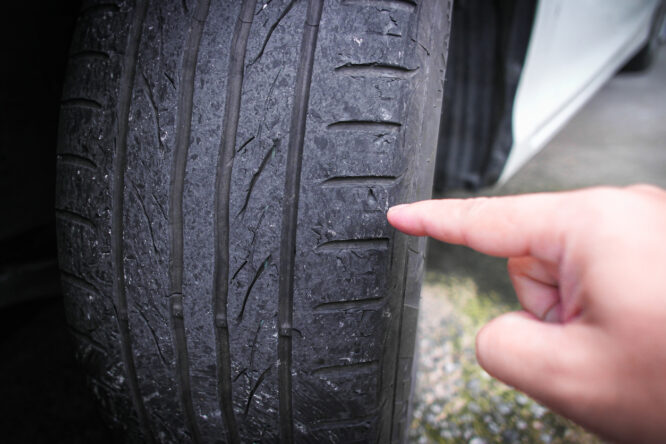
Andy Turbefield, a motoring expert at Halfords, said that taking the time to inspect the tyres, check the dashboard warning lights and look through the car’s service history can help buyers make a better decision and avoid costly surprises. Look for tyres with plenty of tread and no cuts or bulges, and make sure the warning lights come on briefly when you start the car and then go off.
A full service history shows that the car has been looked after, and gaps or missing stamps are worth asking about. You should also look at the logbook, known as the V5C, and make sure the name and address match the seller’s and that the details match the car in front of you.
Free checks you can do online

You can check a car’s MOT history for free on GOV.UK using just its number plate, and it will show past test results, any failures and the advisory notes, along with the mileage recorded at each test. If the mileage suddenly drops or the same problems keep coming up, that’s a good reason to ask more questions.
For a small fee, you can also buy a vehicle history check from one of several companies, which can tell you whether the car has outstanding finance on it, has been written off or has been reported stolen. This is worth doing on any private sale because a car with finance owing could be taken back from you even after you’ve paid for it.
Insurance for the test drive
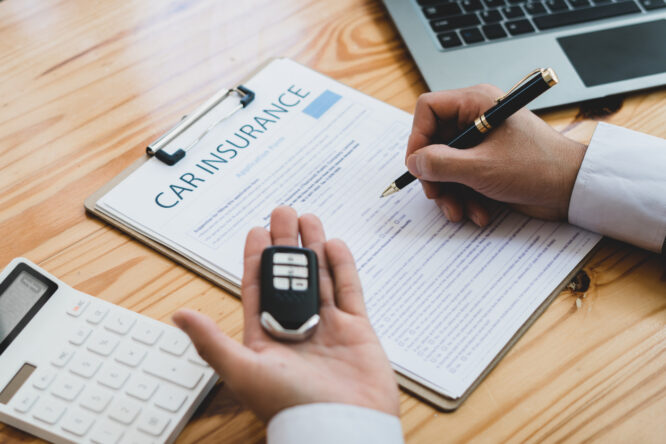
Jake Lambert from Tempcover warned that buyers shouldn’t assume the seller’s insurance will cover a test drive or the journey home, as in a private sale it often won’t. Check your own policy first, as some policies let you drive other cars, but many only offer limited cover or none at all.
If you’re not covered, you’ll need to arrange insurance before you get behind the wheel, either by adding the car to a new policy or taking out short-term cover. Driving without insurance can lead to a large fine, penalty points and the car being seized.
Things to consider before purchasing a second-hand car

Before you buy, it’s worth asking yourself whether you know enough about cars to spot a problem, or whether it would be better to take someone with you who does. A friend or relative who knows what to look for can also help you avoid feeling rushed into a decision.
It also makes sense to think about whether a private sale is right for you because you have fewer rights than if you buy from a dealer. A private seller must describe the car accurately, and it must be roadworthy, but if you buy from a dealer, you also have stronger protection under the Consumer Rights Act, including the right to reject a faulty car within 30 days.
How to buy with confidence

Always view the car in daylight and at the seller’s home address, and take a test drive on different types of road so you can listen for any odd noises and check the brakes and steering. If you’re still unsure, you can pay a mechanic or a motoring organisation to carry out an independent inspection, which can be money well spent on a more expensive car.
If something goes wrong after you buy, Citizens Advice can explain your rights and what to do next, and you can call its consumer helpline on 0808 223 1133. Taking an extra hour or two to check a car properly could save you hundreds of pounds and a lot of stress later on.