The bathroom is one of those rooms where it seems like most of your empty products can (and should) be recycled.
Everything looks recyclable in there, after all, from the plastic packaging of your shampoo bottles to the paper-based tissues and the cardboard tubes. However, under England’s Simpler Recycling rules, which came into force on 31 March, plenty of common bathroom items now have to go in the general waste bin rather than the recycling. Getting it wrong could mean your bin is left uncollected, or even result in a fine. Here’s the proper guide to what can and can’t be recycled from your bathroom.
What’s actually changed with recycling in England?
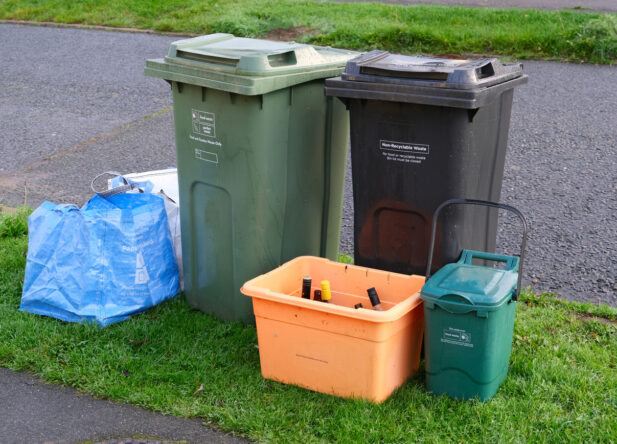
The Simpler Recycling reforms were introduced under the Environment Act 2021 and now apply to households and businesses across England. Every council has to provide separate collections for food waste, paper and card, glass, metal, plastic, and general non-recyclable waste. The whole idea is to make recycling more consistent across the country, since the old patchwork of different rules in every council area was leaving everyone properly confused.
The reforms also place a responsibility on local councils to provide clear information about what they will and won’t collect. A small number of councils have been granted exemptions until at least 2040, so it’s worth checking with your own local authority before you make assumptions. The basics, however, apply almost everywhere, and the bathroom is one of the rooms where mistakes most often happen.
Nappies and period products must go in general waste.

Absorbent hygiene products are one of the biggest no-nos in any recycling bin. This includes nappies, period products like sanitary towels and tampons, and incontinence products. Councils aren’t required to collect any of these for recycling, since they’re a mix of plastics, absorbent gels, paper and bodily fluids that simply can’t be processed through standard facilities.
These items should never be flushed down the toilet, either, since they cause some of the worst plumbing blockages and fatberg problems in the UK sewer system. The right place for them is the general waste bin or a specialist hygiene collection service, which some councils offer for households with high quantities. Bin them, don’t flush them, and don’t try to be clever by chucking them in with the plastic recycling.
Cotton wool and makeup pads are also bin-only.

Cotton wool, cotton balls and reusable-style makeup pads might look like natural, harmless little bits of waste, but they can’t be recycled. The short fibres they’re made of are far too short and too contaminated with makeup, cleansers, or skin oils to go through any standard recycling process.
They also shouldn’t go down the toilet under any circumstances. Cotton wool swells when wet and is one of the leading causes of household plumbing blockages. Pop them straight in the general waste bin. If you’re keen to cut down on bathroom waste, switching to reusable cotton rounds you can chuck in the washing machine is a properly effective option.
Tissues and toilet paper can’t be recycled, even if unused.

Tissues and toilet paper feel like they should be recyclable, given that they’re made from paper, but they’re another item that has to go in the general waste. The paper fibres used in tissues and loo roll are short, weak and have usually already been recycled several times. They simply can’t be processed again into anything useful.
Used tissues are also contaminated with germs, mucus, and other bodily fluids, which makes them a non-starter for recycling regardless of the material. Used tissues should go in the general waste bin, while toilet paper is fine to flush down the toilet. Kitchen roll falls into the same category as tissues, so it should also be binned rather than recycled.
Wet wipes belong in the bin, never down the loo.

Wet wipes are one of the worst offenders in modern UK households, and they cause an enormous amount of environmental damage. Whether they’re baby wipes, makeup wipes, antibacterial cleaning wipes or so-called “flushable” toilet wipes, the answer is the same. They’re not recyclable, and they should never be flushed down the toilet.
Many wipes contain plastic fibres that don’t break down for years, which is why they cluster together in the sewer system to form the infamous fatbergs that cost millions to clear every year. Even wipes marketed as flushable usually aren’t, and they end up causing the same problems as the regular ones. They belong in the general waste bin, full stop. Better still, switch to reusable cloth alternatives where you can.
Your old bathroom mirror could cause a problem as well.

Most households have at least one mirror in the bathroom, and when it’s time to replace one, it can’t go in your regular glass recycling bin. The thin metallic coating on the back of most mirrors makes them incompatible with standard glass recycling, since that coating can contaminate other glass items being processed at the same time.
The best option is to take your mirror to your nearest Household Waste Recycling Centre, where staff can handle and dispose of it properly. If the mirror is still in good nick, you could also donate it to a charity shop, pass it on to a friend, or list it on a local Facebook group or Freecycle. One person’s outdated bathroom mirror is often another person’s perfect finishing touch for a hallway or bedroom.
What about toothpaste tubes?

Toothpaste tubes are one of the trickiest bathroom items, since they look like ordinary plastic but actually contain a mix of plastic and metal layers that standard kerbside collections can’t process. Putting them in your normal recycling bin can result in contamination, which can cause whole batches to be sent to landfill.
The good news is that many supermarkets and chemists now have collection points where you can drop them off. Some toothpaste brands also offer postal take-back schemes, where you can send your empties back to be recycled properly. A few newer toothpaste tubes are made from fully recyclable plastic, which is usually flagged clearly on the packaging. Check the brand’s website if you’re not sure what to do with yours.
There are empty bottles and tubs that do recycle.
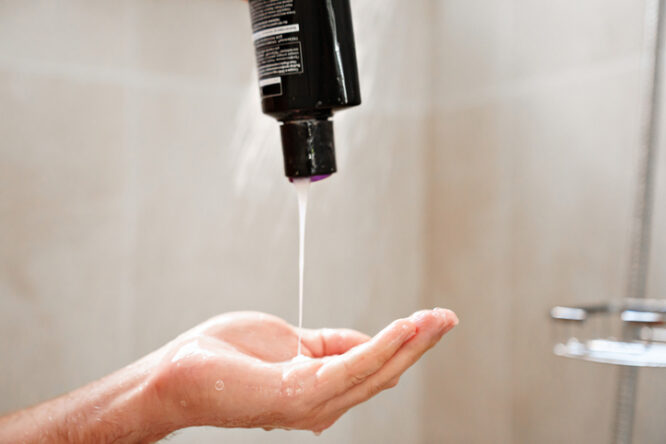
It’s not all bad news. Most empty bathroom plastics, including shampoo bottles, conditioner bottles, body wash bottles, hand soap pumps, moisturiser tubs and shower gel containers, can be recycled if they’re rinsed and dried first. Cardboard packaging from boxes of soap, toilet roll inner tubes and the outer cardboard wrap from multipacks all go in your paper and card collection.
Empty deodorant cans and aerosol cans, as long as they’re fully empty, can also be recycled with metals. Glass perfume bottles, providing they’ve been thoroughly rinsed, can go in with the glass. The key thing is making sure each item is clean and dry before it goes in the bin, since dirty packaging can contaminate the whole batch and ruin the recycling process for everyone else’s careful sorting.
Pump tops and small parts can catch people out.
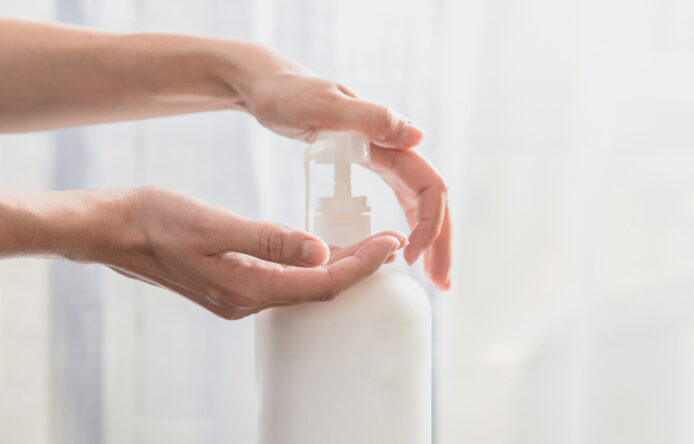
One sneaky little thing that catches plenty of households out is the pump on bottles of soap, body wash or moisturiser. The bottle itself is usually fine to recycle, but the pump contains a spring made of metal, mixed with plastic, which most kerbside collections can’t process. The simplest fix is to take the pump off before recycling the bottle, and pop the pump in your general waste.
The same goes for the little plastic measuring cups on cough mixture bottles, the small caps on toothpaste tubes, and the tiny lids on travel-size shower products. These small bits are often too small and too lightweight to make it through the sorting machinery at the recycling plant, even when they technically count as recyclable plastic. Keeping them out of your recycling bin actually helps the rest of your sorting work properly.
The take-back schemes worth knowing about
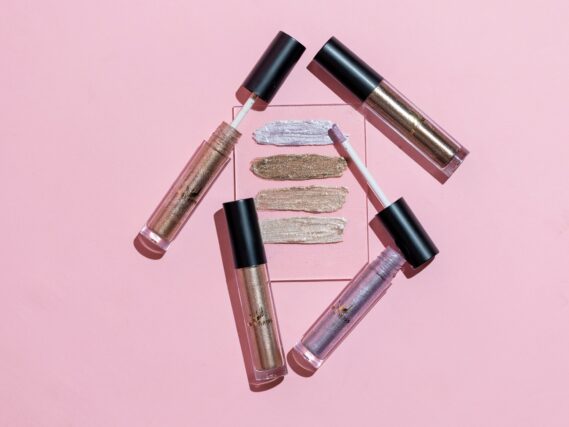
Lots of beauty and bathroom brands now run dedicated take-back schemes for the trickier items in their range. Most chemists accept used contact lens packaging, empty blister packs from medication, and used inhalers. Soft plastic recycling points at the front of larger supermarkets will usually take bathroom items like the soft plastic film around toilet roll multipacks and the wrapping from sanitary product packaging.
Some makeup and skincare brands also offer in-store recycling for empty product packaging, sometimes giving you a small discount or a free gift in return. A quick check of the bigger high street beauty retailers’ websites will tell you what they accept. These schemes properly fill the gap left by what your council can collect, and they make recycling tricky items genuinely easy.
Keep your bathroom recycling routine simple.

Once you know the rules, sticking to them is properly easy. Rinse and dry your plastic, metal, and glass bathroom containers before they go in the recycling. Bin tissues, wet wipes, cotton wool, makeup pads, nappies, period products and anything else that’s been contaminated with bodily fluids or that’s made of mixed materials. Use take-back schemes for toothpaste tubes, contact lens cases and trickier items, and take mirrors to the recycling centre when they’ve come to the end of their life.
A small bit of effort once a week makes a properly meaningful difference, both to your bins being collected without fuss and to how much of your waste actually gets recycled. The system genuinely works when people get the basics right, and the new rules are designed to make those basics clearer than ever. Once you’ve sorted your bathroom routine, the rest of the house tends to follow.