Most people treat the fridge as one single space, tossing whatever needs freezing wherever there happens to be room.
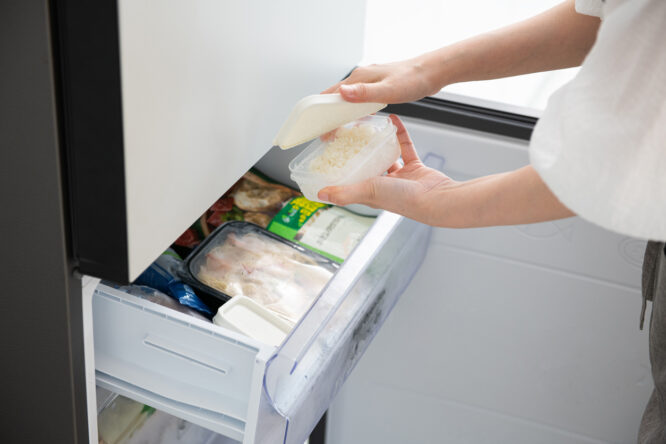
But the door of your freezer actually behaves quite differently to the back, and that difference matters more than you’d think for certain foods. Every time the door opens and closes, the temperature there swings slightly, and for some foods, that small fluctuation is enough to ruin them over time. Here’s what should never live in your freezer door, and what’s perfectly happy sitting there instead.
The back of your freezer stays coldest and steadiest.
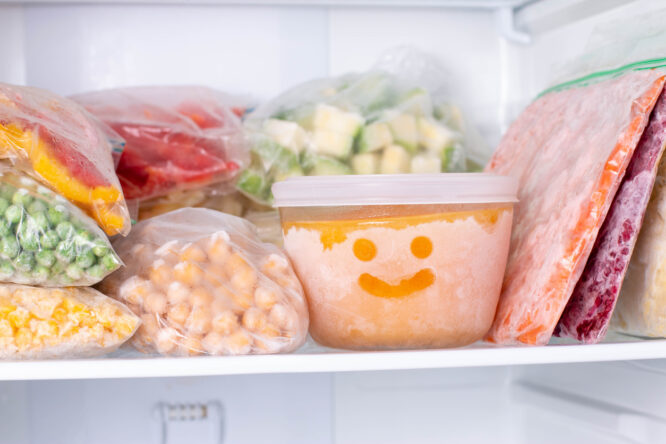
Every time you open the freezer door, warmer air briefly rushes in before the temperature settles back down again. The door and any top pull out drawer feel this change the most, while the back of the freezer stays far more stable and consistently cold throughout the day.
For most foods, this small fluctuation isn’t all that important. But for anything sensitive to temperature changes, being stored in the door means repeatedly experiencing tiny bouts of partial thawing and refreezing, which can affect both quality and safety over time.
Raw meat and poultry need steady cold to stay in good shape.
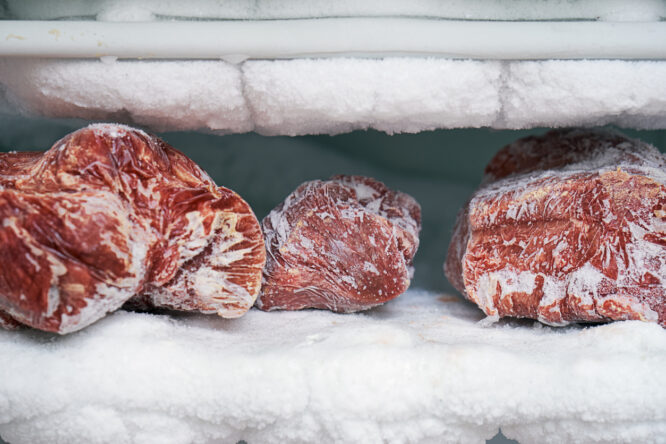
Whole chickens, mince, chops and joints of meat all freeze perfectly well, but where you put them inside the freezer can make all the difference. Keeping raw meat towards the back or in lower drawers helps prevent the kind of repeated partial thawing that can damage the muscle fibres inside, leaving meat drier and tougher once it’s eventually cooked.
The best approach is keeping meat in its original sealed packaging when possible, then adding a freezer bag or a layer of heavy-duty foil on top for extra protection. This helps shield it from exposure to air, which is what causes that unpleasant freezer burn many of us have experienced before.
Fish and seafood are even more delicate than meat.
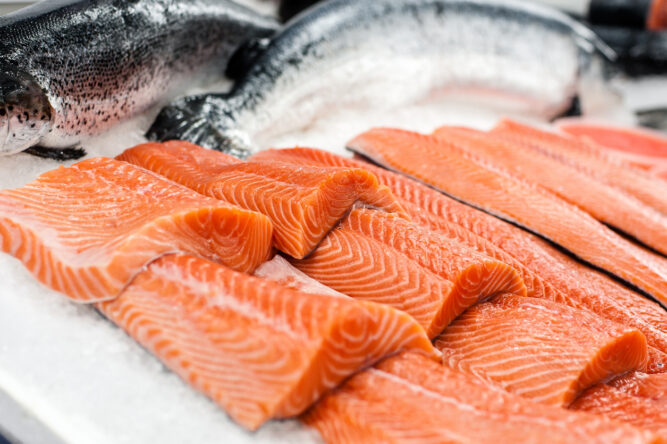
If raw meat needs stable cold, raw fish and seafood need it even more. Whether you’re freezing salmon fillets, prawns, or a whole fish, keeping these towards the coldest, deepest part of the freezer helps preserve their delicate texture far better than storing them in the door ever could.
Just like meat, sealing fish and seafood tightly before freezing makes a real difference. A tightly sealed freezer bag or a layer of heavy-duty foil works well if vacuum sealing isn’t an option, helping protect against both freezer burn and unwanted temperature swings.
Ice cream and other fatty foods hate temperature swings.
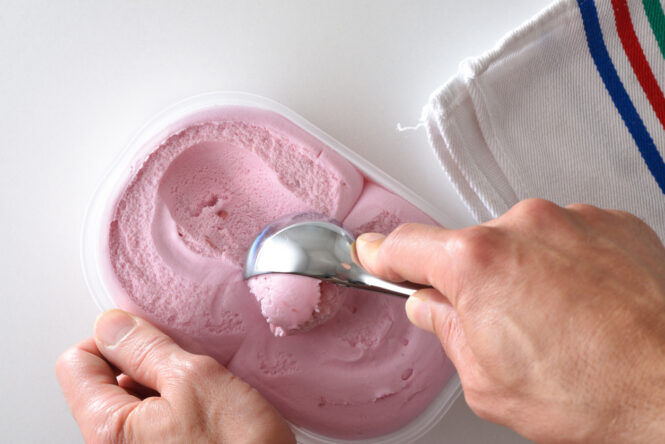
It might seem obvious to keep ice cream in the door for easy access, but this is actually one of the worst spots for it. Foods that rely on a stable fat structure, like ice cream and pastry, need consistently cold temperatures to hold their texture properly.
Even brief warming can cause the fat inside to melt slightly and separate, and once it refreezes, the texture often turns out noticeably worse than before, sometimes icy or grainy rather than smooth. Keeping ice cream towards the back of the freezer helps it stay properly creamy for much longer.
Leftovers are more vulnerable to bacteria than you’d expect.
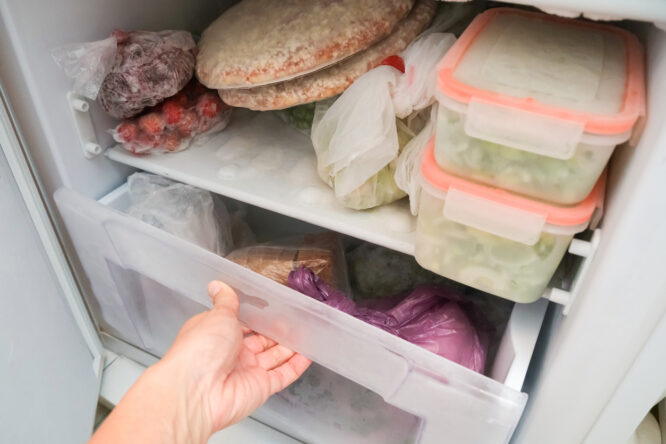
Homemade soups, casseroles, and other cooked leftovers don’t just lose quality when the temperature fluctuates, they can actually become more vulnerable to bacterial growth too. Cooked meat, poultry, fish, stews, and rice are all particularly sensitive to changing temperatures once frozen.
Storing leftovers towards the back of the freezer, rather than the door, helps protect against both spoilage and bacterial growth over time. Setting your freezer to around minus eighteen degrees Celsius also helps keep everything at its safest and freshest, regardless of exactly where inside the freezer it’s stored.
Frozen fruit and veg can turn mushy in the wrong spot.
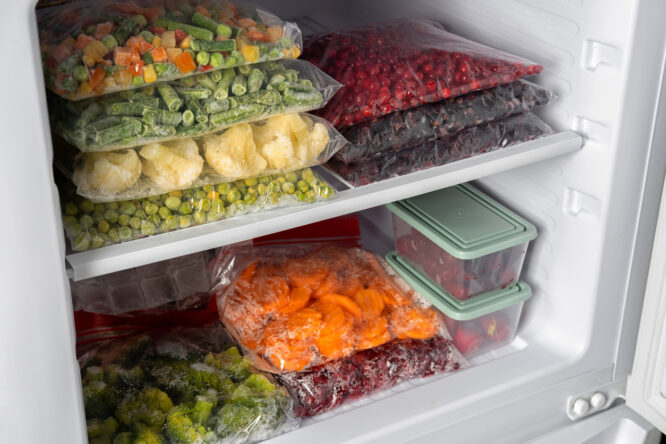
Bags of frozen peas, sweetcorn, and mixed berries are freezer staples for a good reason, often lasting for months without any issue. But storing them in the door exposes them to temperature swings that can cause ice crystals to form inside the packaging, damaging their texture over time.
The end result is often mushy, watery fruit and vegetables once they’re finally cooked or blended into a smoothie. Keeping frozen produce towards the back of the freezer instead helps preserve both texture and flavour for much longer.
Breast milk needs the most stable spot of all.
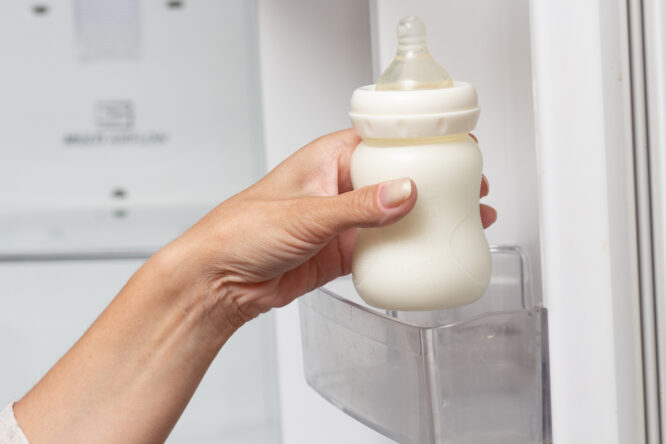
If you’re freezing breast milk, the door is the worst possible place to store it. The slightly warmer, fluctuating temperatures there can allow microorganisms to multiply more easily, gradually affecting both the quality and safety of the milk over time.
Keeping breast milk in the coldest, most stable part of the freezer, away from the door entirely, is the safest way to preserve it properly. This matters even more than with most other foods, given how sensitive breast milk needs to remain for a baby’s safety.
What actually belongs in the freezer door?
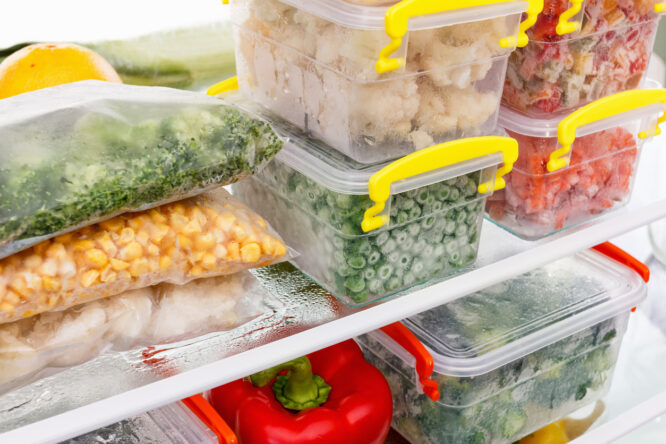
Thankfully, plenty of foods handle temperature swings perfectly well, making the door a useful spot rather than one to avoid entirely. Frozen convenience foods like waffles, chips, and pizza tend to get used up quickly and rotate through your freezer fast, meaning minor fluctuations rarely have time to cause any real problems.
Bread also does perfectly well in the door, so long as it’s kept inside a proper freezer bag to protect it. These are exactly the kind of foods you’re likely to reach for often, which naturally limits how long they sit exposed to those temperature changes in the first place.
A few other surprising foods that don’t mind the door
Nuts, seeds, and whole grains actually benefit from freezer storage, since it helps slow down the natural oils inside from turning rancid over time. These handle the door’s minor temperature changes perfectly well, especially when kept in an airtight container or bag.
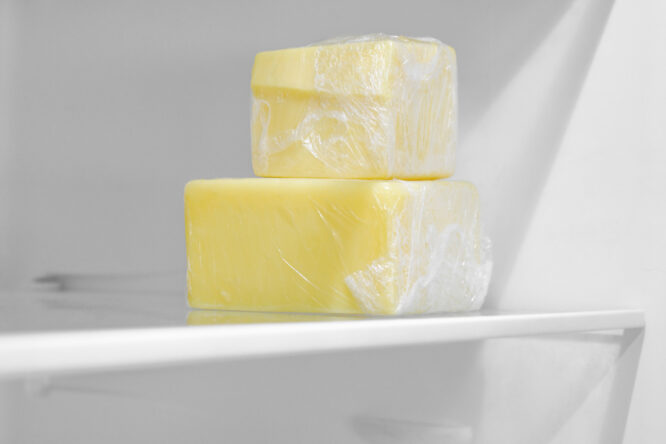
Butter is another surprising exception, since its dense texture and waxy wrapping let it handle temperature changes far better than most other dairy products. Alcohol and frozen juice concentrates are similarly low risk, making the door a sensible home for all of these everyday items.