The instinct when you spot a caterpillar on your plants is usually to remove it.
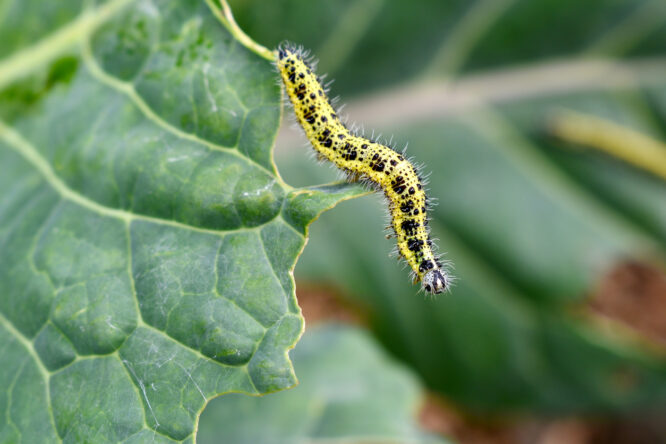
They’re chewing through your cabbages, leaving holes in your nasturtiums, and doing visible damage to things you’ve put time and effort into growing. It feels like the obvious move, but it turns out that reaction might be doing your garden more harm than the caterpillar ever would, and there’s a growing body of thinking that says learning to live with them is one of the better things you can do for the wildlife in your outdoor space.
Caterpillars are at the bottom of a very long food chain.
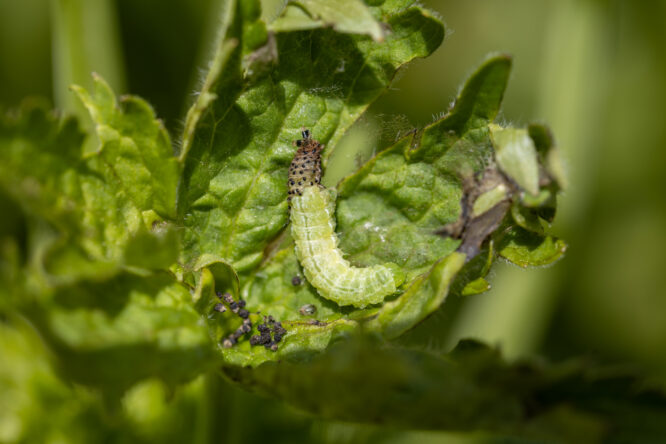
A garden without caterpillars is a garden without much else either. Birds, particularly the ones feeding chicks in spring and summer, rely on caterpillars as a primary food source. Blue tts alone are estimated to need hundreds of caterpillars a day to raise a single brood successfully. If caterpillars aren’t around, those birds move on or struggle to breed, and the knock-on effects ripple through the whole ecosystem of your garden fairly quickly.
It doesn’t stop with birds. Beetles, ground-feeding mammals, and parasitic wasps all feed on caterpillars at various stages of their life cycle. A garden that tolerates some leaf damage is a garden that’s functioning, with different species depending on each other in the way they’re supposed to. The holes in your leaves are actually a signal that something is alive and eating, and something else is probably on its way to eat that.
Moths are in serious trouble and gardens can help.
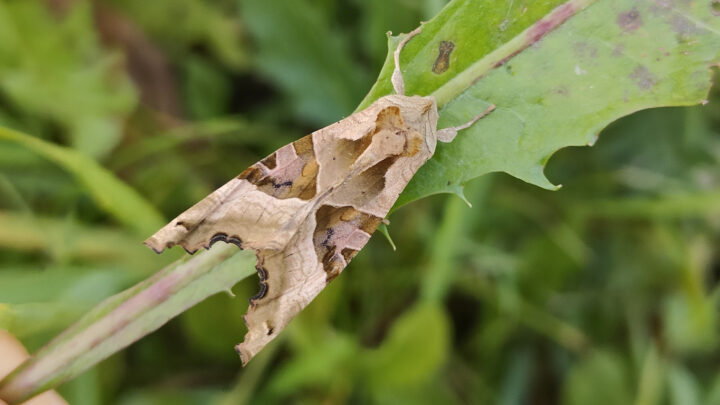
Caterpillars are the larval stage of both butterflies and moths, and while butterflies tend to get most of the attention, moths are in a far more precarious position. Populations across the UK have declined considerably over recent decades, driven by habitat loss, light pollution, pesticide use, and the general tidying-up of spaces that used to be left alone. Many people don’t realise how diverse British moths are, or how many of them are doing badly.
The caterpillars you find in your garden are often moth larvae rather than butterfly larvae, and tolerating them is one of the most direct contributions a gardener can make to reversing that decline. You don’t need a wildflower meadow or a nature reserve. A reasonably varied garden that isn’t doused in pesticides and has some degree of mess left in it gives moths somewhere to complete their life cycle, and over time that adds up.
Most caterpillars don’t actually cause serious damage.
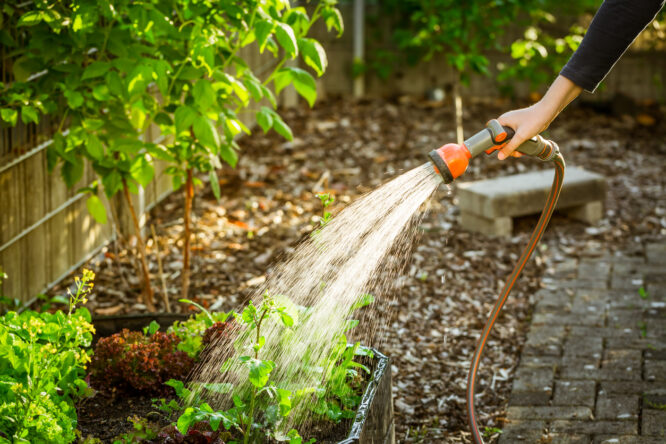
The fear around caterpillars is mostly disproportionate to the reality. Yes, some species go for brassicas with enthusiasm, and a bad year for cabbage white butterflies can leave your kale looking pretty ragged. But the majority of caterpillars you’ll encounter in a British garden are feeding on plants that can handle it, taking small amounts from a range of sources rather than demolishing anything outright.
Healthy plants recover from leaf damage more readily than people expect. A few holes in a courgette leaf won’t affect the courgettes. Nasturtiums that look a bit eaten are still flowering. Unless you’re growing food commercially or dealing with a true infestation of a specific pest species, most caterpillar activity in a garden sits well within what the plants can absorb without lasting harm.
Pesticides create a much bigger problem than they solve.
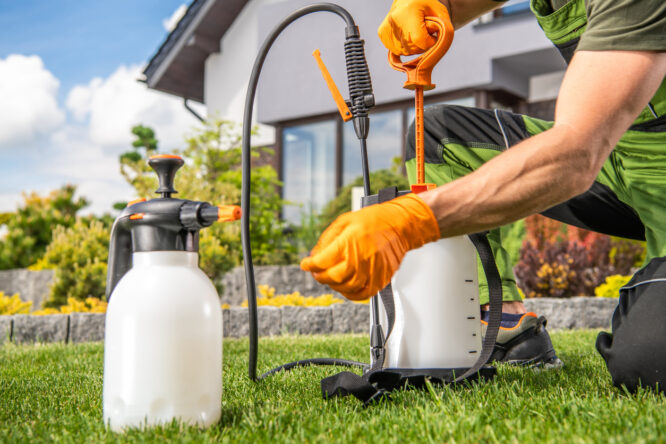
Reaching for a pesticide spray when you spot caterpillars feels like a solution, but it tends to create more issues than it resolves. Most pesticides aren’t selective, so while they might deal with the caterpillars on your brassicas, they’ll also affect other insects in the area, including the ones you actually want. Beneficial insects, pollinators, and the natural predators that would have eaten those caterpillars anyway all take a hit.
There’s also the timing issue. By the time you’ve noticed a caterpillar problem big enough to feel urgent, the caterpillar is often nearly done feeding and about to pupate anyway. The damage is already done, and spraying at that point is mostly closing the stable door. Letting natural predators manage the population is slower, but it works over a season without the collateral damage.
Some caterpillars are worth actively encouraging.
Not all caterpillars are the same, and some are really exciting to find. The caterpillars of species like the elephant hawk-moth or the privet hawk-moth are large, dramatic-looking things that most people have never seen up close, and finding one in your garden is a real sign that the local moth population is doing reasonably well. These species aren’t eating your vegetables, they’re feeding on things like willowherb, fuchsia, and privet.
Growing plants that host these less troublesome caterpillars is a way of supporting moth populations without any meaningful sacrifice to the garden. Willowherb, which a lot of gardeners pull out as a weed, is a host plant for several species. Birch, oak, and hawthorn support huge numbers of moth and butterfly larvae between them, which is one of the reasons native trees are so consistently recommended for wildlife gardening.
A bit of leaf damage is a sign the garden is working.
There’s a mindset change involved in getting comfortable with caterpillars, and it’s the same change that applies to a lot of wildlife gardening. A perfect, unblemished garden where nothing is eaten and nothing is out of place is, ecologically speaking, a fairly empty one. The messiness, the chewed leaves, the plants that don’t look quite as tidy as a catalogue photo, are all evidence of a food web operating the way it should.
Reframing what a healthy garden looks like makes it easier to tolerate. A cabbage leaf with a few holes in it is feeding something. That something will feed something else. The garden is moving, growing, cycling through the way gardens are supposed to, and the caterpillar is part of that rather than an obstacle to it.
What you can do if specific plants really need protecting.
There are some situations where protecting particular plants makes sense, and there are ways to do it that don’t involve chemicals. Fine mesh netting over brassicas is the most straightforward option for keeping cabbage white butterflies from laying eggs in the first place. It works well if you put it in place early in the season before they start looking for somewhere to lay, and it can be reused year after year.
Companion planting is another approach that has some real backing. Growing strongly scented plants near vulnerable crops can confuse or deter certain species. Marigolds alongside brassicas are one of the most commonly cited combinations, and while it’s not a complete solution, it can reduce the pressure. The key with both methods is that you’re managing the situation rather than eliminating every caterpillar in the vicinity, which preserves the broader balance you’re trying to maintain.
The longer you leave a garden to its own devices, the better it tends to manage itself.

Gardeners who’ve gardened with wildlife in mind for several years often describe a point where things start to feel more balanced. Pest species are present but not overwhelming because their predators are present too. The garden stops feeling like something you’re constantly fighting against and starts feeling more like something you’re participating in.
That balance takes time to establish, and it requires some tolerance in the meantime. There’ll be years when the caterpillars seem like a lot, and years when you barely notice them. The thing is, a garden that has birds, beetles, hedgehogs, and wasps moving through it is a garden that’s doing its own pest management, and the caterpillars are a part of what makes that possible. The nibbled leaves are actually a sign that things are going right.