Britain is home to more than 10 million pet cats, and most of us deeply adore them.

However, that huge cat population comes with a side effect that deserves more attention, especially if you love watching birds in your garden too. A recent BBC wildlife series called Secret Garden exploring British gardens has highlighted just how much of an impact our feline friends have on local bird populations, and it’s major. The good news is there are some simple changes that can make a real difference, without needing to give up on having a cat at all.
Our gardens are far wilder than most of us realise.
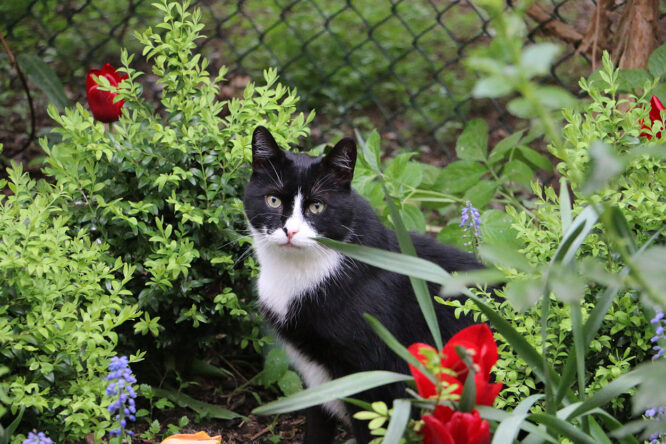
British gardens might not look like much from the outside, but together they cover more ground than every single one of our national nature reserves combined. That’s a huge amount of space, and it’s home to an impressive range of wildlife, from birds and insects to small mammals just getting on with their daily lives.
Some gardens are so packed with different plants and creatures that they’ve been compared to the variety you’d expect from a tropical rainforest. It’s easy to overlook just how much life is quietly going on in an ordinary back garden, but that variety is exactly why protecting it matters.
Cats are having a bigger impact on birds than most owners realise.
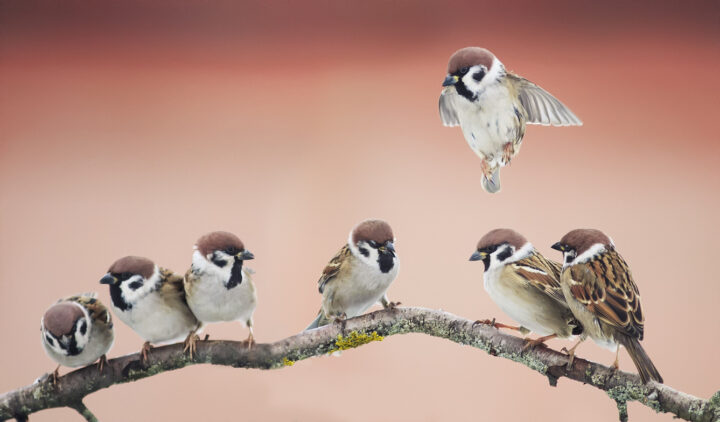
It’s estimated that Britain’s cats kill around 55 million birds every single year across the country. That’s a staggering number when you think about how many of us simply see our cats as cuddly companions rather than skilled hunters.
This isn’t about blaming cat owners or suggesting cats are the enemy, since hunting is simply part of their natural instinct. It’s more about understanding the scale of the impact, so that small, simple changes can be made to protect garden birds without changing anything about how much we love our pets.
A simple bell could cut hunting success by a third.
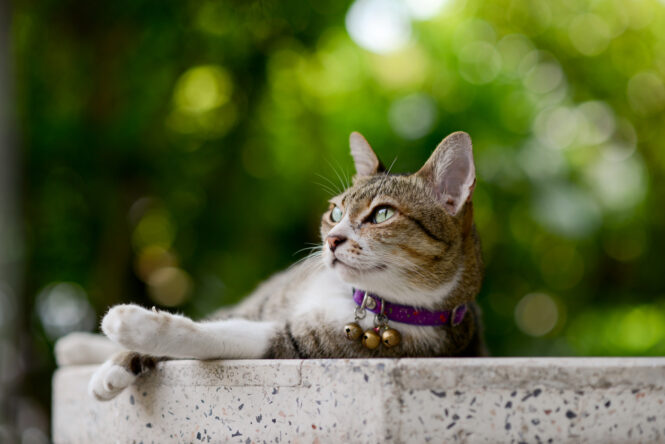
One of the easiest changes suggested is something most cat owners could do in minutes, attaching a small bell to your cat’s collar. The idea is straightforward. As your cat moves through the garden, the bell gives birds a bit of early warning that a predator is nearby.
This small addition has been shown to reduce a cat’s hunting success by around a third, which is a meaningful drop for something so simple and inexpensive. It’s the kind of change that costs next to nothing, but gives birds a fighting chance to get away in time.
Timing is just as important as the bell itself.
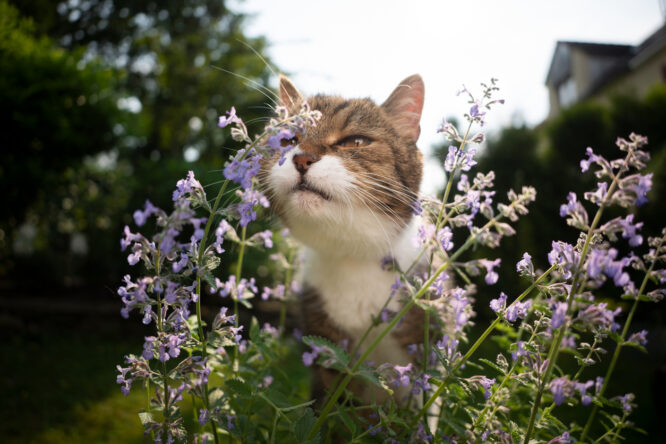
Birds tend to be most active first thing in the morning and again as evening sets in, which unfortunately lines up almost exactly with when cats are naturally most inclined to hunt. That overlap is part of why so many bird encounters with cats happen during these specific windows.
Bringing cats indoors during dawn and dusk, even just for those key hours, can make a real difference to how many birds end up as unintended targets. It’s a small adjustment to a daily routine, but one that lines up neatly with when the risk to birds is at its highest.
Where you place a bird feeder changes everything.
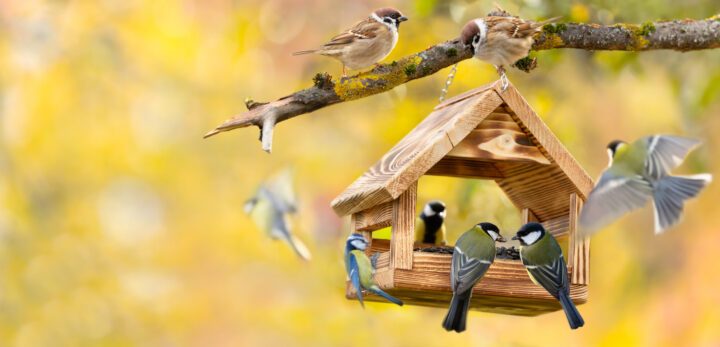
Bird feeders positioned low to the ground, or tucked right next to thick bushes and shrubs, might seem like a cosy, sheltered spot, but they can actually work against the birds you’re trying to help. Dense greenery nearby gives a hunting cat the perfect hiding spot to launch a surprise attack from.
Moving feeders higher up, and placing them at least a couple of metres away from thick vegetation, removes much of that hidden advantage. It’s worth thinking about fences, decking, and planters too, since anything a cat could use as a launch pad nearby reduces how safe that feeder actually is.
Enclosed feeder designs add another layer of protection.
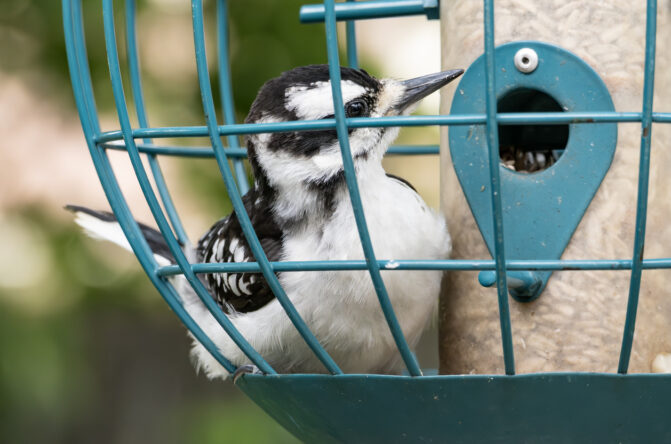
Beyond just repositioning feeders, switching to an enclosed design can offer birds an extra bit of security while they’re feeding. These feeders are built in a way that makes it much harder for a cat to reach in or ambush a bird mid-meal.
It’s a small investment that pairs well with better positioning, giving birds a safer space to feed without needing constant supervision from you. Combined with height and distance from cover, an enclosed feeder makes a garden considerably harder for a hunting cat to take advantage of.
None of this means giving up on having a cat.
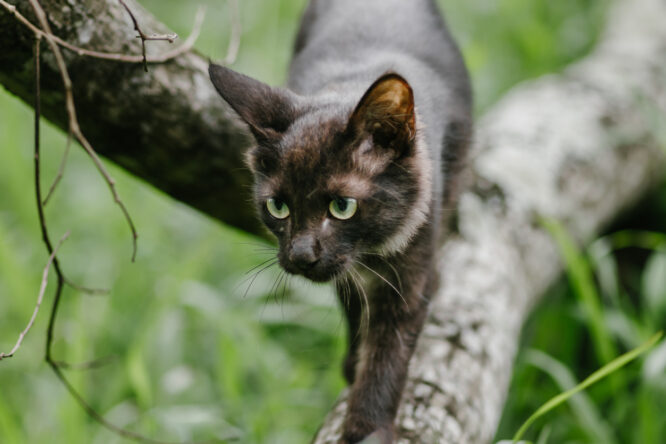
It’s worth being clear that none of this advice is about villainising cats or suggesting people shouldn’t own them. Hunting is simply part of what cats are, and no amount of training will fully remove that instinct from a domestic pet.
Instead, these changes are about finding a balance, letting cats live happily as pets while giving garden birds a fairer chance at avoiding them. A bell, some thoughtful timing, and smarter feeder placement can go a long way towards making a garden feel safer for everyone living in it, feathered or furry.