Plenty of us grew up in homes where money was properly tight, even if our parents went out of their way to hide it.

Some things in the house were just normal British stuff that everyone had, but a handful of others were dead giveaways that the budget didn’t stretch very far. Looking back as adults, these items take on a whole new meaning. Here are the ones that quietly told the truth in a working-class British household. You might even look back on these with a surprising level of fondness.
The pre-payment meter for gas or electric

The hum of an electric meter in the cupboard under the stairs is something you don’t forget. Pay-as-you-go meters were standard in tighter households, with a stack of pound coins or, later, a little plastic top-up key kept somewhere obvious. You learned young to count how many lights were on because every one was costing money in real time.
The truly memorable moment was when the meter ran out completely, plunging the house into darkness mid-telly. Scrambling for change or rushing to the corner shop in the rain to top up the key was a proper rite of passage. Houses on a normal monthly bill never had any of that drama, and they never quite understood it either.
Coats on the bed instead of a proper duvet
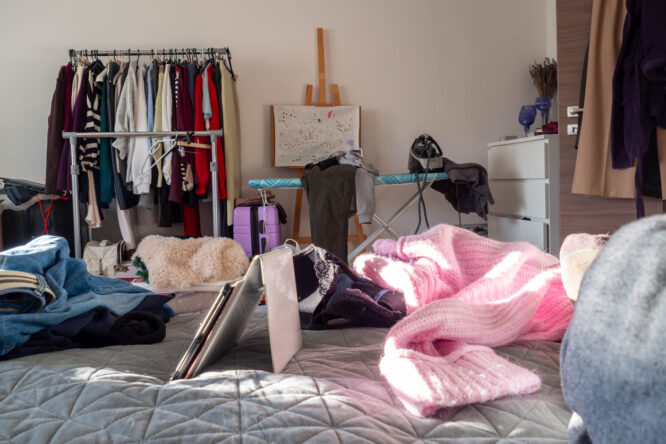
A telltale sign of a really tight household in winter was extra coats laid across the bed at night. Sometimes it was because the duvet was old and thin, sometimes because the heating couldn’t be left on overnight, and sometimes both. Anyone who grew up doing this remembers the weight of a heavy winter coat pressing down on you as you tried to sleep.
Posh houses had spare duvets and proper thick winter bedding. Yours had whatever was clean and warm, including dressing gowns thrown across the bottom of the bed when it got really nippy.
One single bar electric fire in the living room
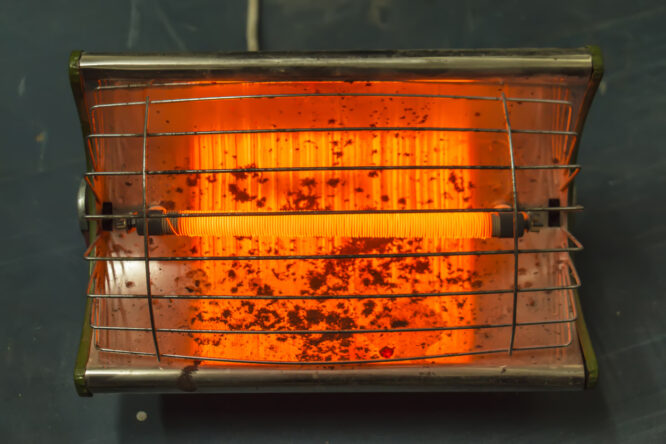
If the central heating wasn’t an option, there was usually one small electric fire that became the heart of the house in winter. Everyone crowded round it of an evening, with the rest of the rooms left properly freezing. Bedrooms had ice on the inside of the windows by January.
Going upstairs was a sprint, and getting into bed meant curling up tight and hoping you’d warm up before you fell asleep. Houses with proper central heating throughout were a different world, and you’d notice the warmth the second you walked through a friend’s front door.
The blue and white Value range in every cupboard
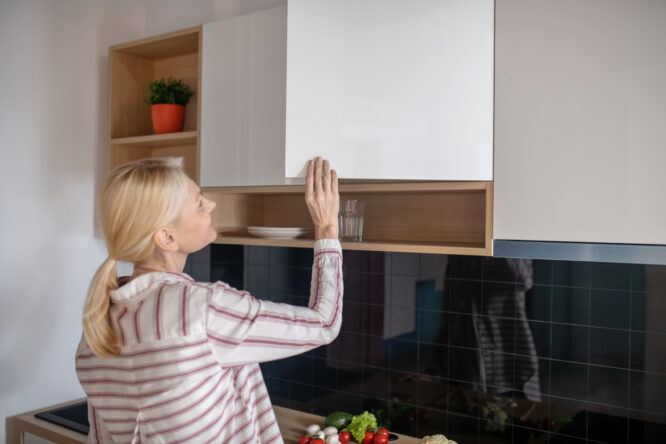
A peek into the cupboards of a stretched household would show row after row of the cheapest supermarket own-brand range. Spaghetti hoops, beans, soup, custard, rice pudding, all in the same generic packaging. Brand-name food was for visitors or special occasions, while everyday meals came out of the value tins.
The taste was usually fine, if a bit watery, but the bright blue packaging was a dead giveaway. Kids who grew up with proper Heinz beans on the daily had absolutely no idea what was going on when they came over for tea.
Margarine in the big white tub

There was always a giant tub of soft margarine in the fridge, never real butter. Often it was an own-brand version too, the kind that tasted faintly of nothing and went a bit watery if you left it out. Butter felt expensive, and saving it for guests, Christmas dinner or a proper Sunday roast made sense if money was tight.
Toast was made with marge, sandwiches were made with marge, and baking happened with marge. Real butter was something you encountered at school dinners or at a friend’s house, where it had its own little dish on the table like royalty.
UHT or powdered milk in the cupboard
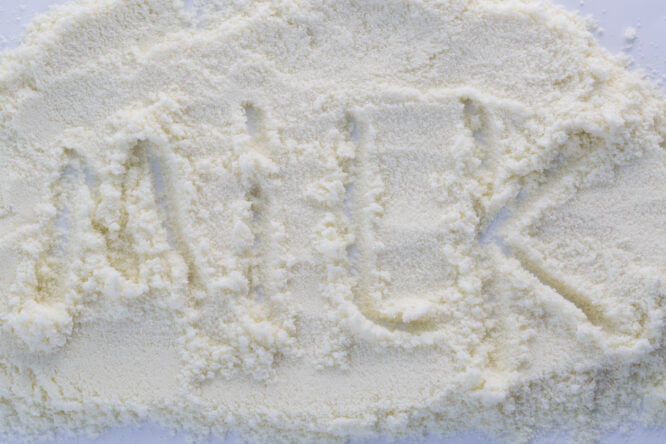
Fresh milk was the goal, but it didn’t always last the week. So plenty of households kept a long-life carton of UHT milk in the cupboard for emergencies, or a tin of powdered milk for tea when the fresh stuff had run out. The taste was unmistakable, and cereal eaten with milk made from powder is a memory you don’t forget in a hurry.
Some weeks you’d get to Friday with no milk at all, and cereal got eaten dry, with water, or simply skipped in favour of toast. None of this happened in houses where the fridge was always stocked.
Clothes drying on the radiators
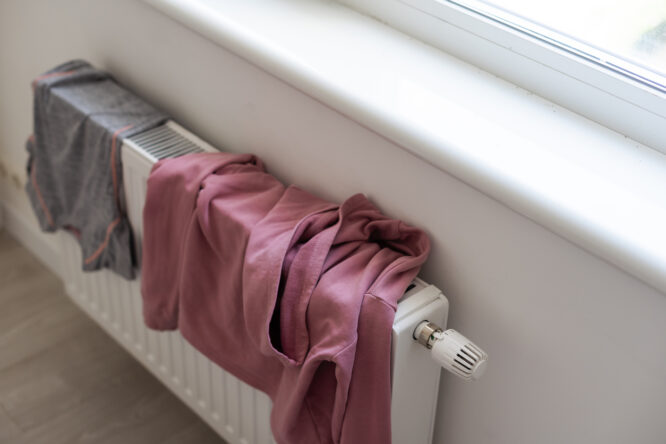
Tumble dryers were a luxury, so washing was draped over radiators, the backs of chairs and a clothes horse permanently set up in the front room. In winter, the whole house felt damp, and your school jumper would smell faintly of wet wool for half the morning.
Sometimes things just didn’t dry in time, which is how you ended up wearing slightly damp socks to school on a Monday morning. Anyone with a tumble dryer at home in the 80s or 90s was, frankly, considered well off. The rest of us made do with the radiator and a bit of luck.
Trainers instead of proper school shoes

School shoes had to last a full year, and they weren’t cheap, so plenty of households quietly let trainers do the job instead. Sometimes the school turned a blind eye, sometimes you got a telling off from a teacher for not having “proper” shoes. The really painful version was getting trainers that almost looked like school shoes but were clearly from the market, with stripes in the wrong place or the wrong number of them.
Kids with brand-new Clarks every September never quite understood why anyone was getting in trouble over their footwear.
PE kit standing in for uniform on washing day

If the school uniform was in the wash and there wasn’t a spare, you went in wearing your PE kit and hoped no one made a thing of it. Sometimes it was the white polo shirt with normal trousers, sometimes it was the full kit with a jumper over the top. Either way, you knew.
Houses where there were two or three spare uniforms in the wardrobe never had to play that particular game. Doing this once or twice was just one of those things, but doing it regularly was a sure sign that money and washing-cycle juggling were both very tight.
The “good room” that nobody was allowed in
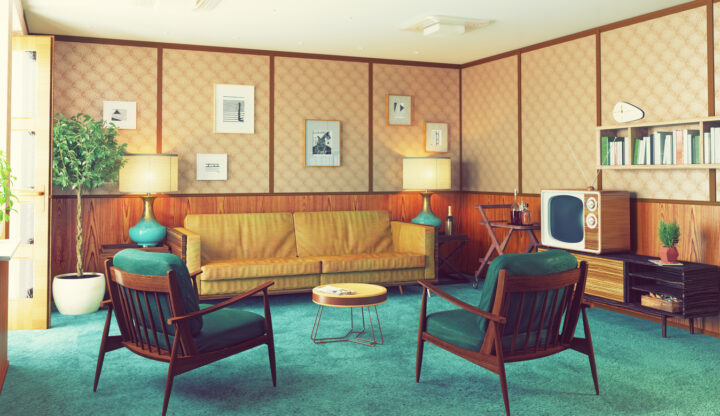
Lots of working-class homes had a front room or “best room” that was kept pristine for visitors and almost never used. The nice sofa lived in there, often still with a hint of plastic somewhere on it. The good carpet, the good lamp and any nice ornaments were all in that room, off limits to muddy shoes, cups of tea or anyone under the age of about 30.
The whole family squashed into the smaller, scruffier back room or kitchen for daily life. The front room came alive twice a year, at Christmas and when special guests came around.
Hot water bottles instead of warm bedrooms
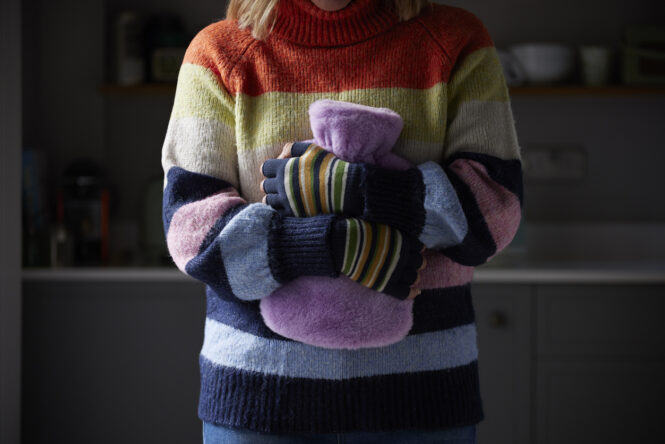
The bedtime ritual in a cold house was a hot water bottle wrapped in a tea towel or a knitted cover, popped into bed about ten minutes before you got in. It became a small, comforting hot spot in an otherwise freezing bed. Some families had one for each child, others had to share.
Going to bed in a properly warm house, where the bedroom was actually heated, was something you only experienced on rare occasions like a holiday or a stay at a relative’s. Most of us thought putting your pyjamas on the radiator first was perfectly normal grown-up stuff.
The bath being a once or twice a week event

Hot water cost money, and so did running the immersion heater. That meant a proper bath was often a once or twice a week treat rather than a daily thing. Younger children sometimes shared bathwater, with the youngest going in last when it was already cooling down.
Bath night was an event, often on a Sunday before school, and the rest of the week was strip washes at the sink. It seems shocking now, but for plenty of British families this was just the way it was. Houses with a daily shower habit felt impossibly luxurious in comparison.
The brown envelope on the doormat
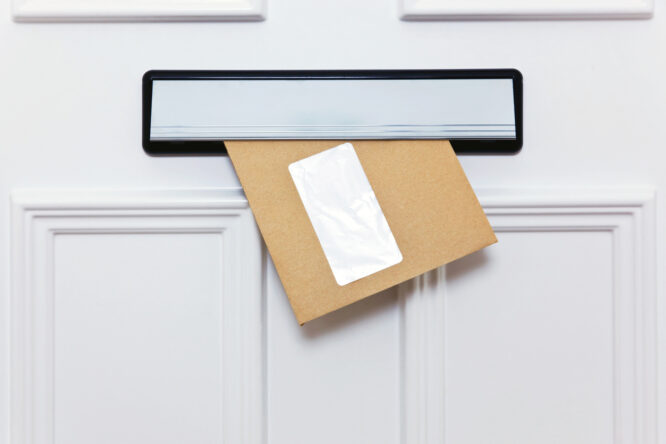
The brown envelope is the one that adults will recognise, but kids never quite understood at the time. Final demands, court letters, debt notices and overdraft warnings all came in those plain brown envelopes, and your parents’ face changing the second they picked one up was something you noticed.
The whole atmosphere of the house would change for the rest of the day. Phone calls in hushed voices, hurried conversations between mum and dad, and a lot of “we’ll talk about it later”. The brown envelope was the most secretly threatening item in the whole house, and you didn’t have to be old to feel it.
The charity shop and jumble sale haul
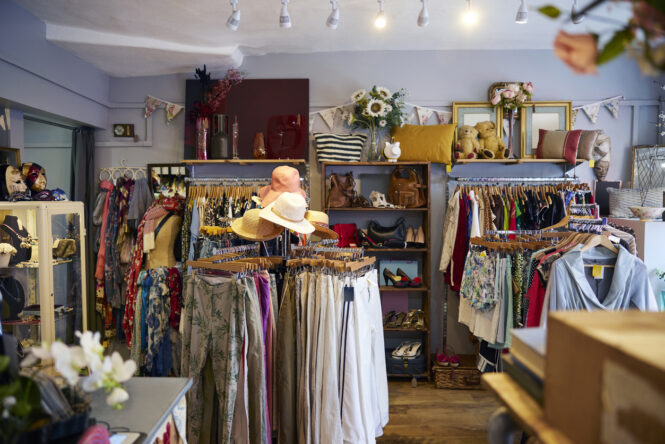
For lots of working-class kids, a fair chunk of the wardrobe came from charity shops, jumble sales or church bring-and-buys. There was nothing wrong with the clothes, and plenty of them were better quality than the cheap new stuff. But you knew the difference between a brand-new outfit and one that had already had a life elsewhere.
Sometimes you’d recognise a top from a kid you knew the year above. Trainers in particular were a giveaway, especially when the brand stripes weren’t quite right. Kids whose entire wardrobe was new every season really didn’t understand the secondhand circuit.
Free school meal tokens

Few things felt as visible as queuing up for school dinners with a different ticket or token to everyone else. Some schools were better than others at keeping it discreet, but there were always classmates who clocked it. You learned young who was on free meals and who wasn’t, and there was a subtle kind of shame attached to it that you couldn’t shake even when you were hungry.
The kids whose mums made fancy packed lunches with proper sandwiches and cereal bars existed in a completely different world. Free meals kept food on the plate, but they marked you out at a sensitive age.
Looking back with new eyes

The funny thing about all of these items is that none of them felt unusual at the time because everyone around you was living the same way. It only really lands as an adult, when you talk to friends from different backgrounds and realise just how much of your normal was actually a budget making it work.
There’s no shame in any of it, and a lot of pride in being from a household that stretched a small amount of money into a whole life. But the items above are the real giveaways, the ones that genuinely told the story of a tight household, rather than the everyday British stuff that pretty much everyone had.