Setting off on a solo adventure sounds like pure freedom when you’re booking the flights.
There are no compromises, your own pace, and the buzz of waking up in an unfamiliar city with zero obligations. However, even the most confident travellers hit a wall when they’re sitting in a lively square, watching groups of friends share a laugh, and a sudden, sharp ache of isolation creeps in.
Wandering through a stunning gallery or watching a coastal sunset with nobody to turn to can feel surprisingly heavy, but feeling lonely doesn’t mean you’ve botched the trip. It’s just a natural part of being untethered from your usual routine. With a few deliberate tweaks to how you move through your days, you can easily find meaningful connection without giving up the brilliant independence of travelling on your own terms.
Solo travel can feel lonely for even the most independent people.

When something amazing happens, it’s natural to want to share it with someone. On a solo trip, the people you’d usually turn to aren’t right beside you. That can make special moments feel a little less complete. Sharing happy experiences with others is known to boost feelings of joy. Without that, travel can sometimes feel quieter than expected. Feeling lonely now and then doesn’t mean your trip isn’t going well, it simply means you’re human.
Think about what you want from your trip.
Before you go, ask yourself why you’re travelling alone. You might want peace, quiet, and time to yourself. Or you might be hoping to meet lots of new people along the way. Many people want a mix of both. Knowing what you’re after can help you plan the right kind of trip. Group tours, for example, can be a good way to enjoy some independence while still having company when you want it.
Plan ahead for lonely moments.
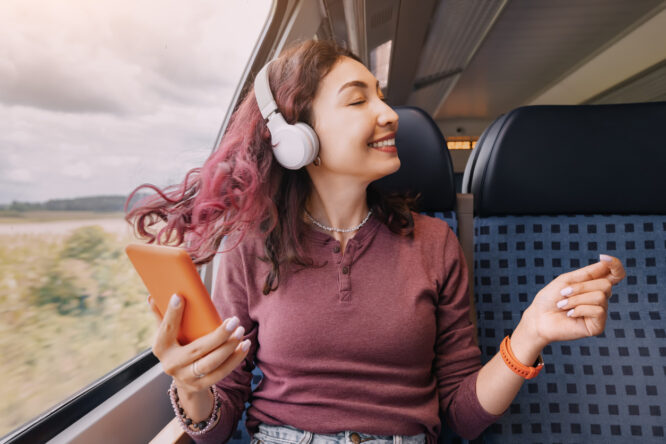
It can help to have a few ideas ready in case you start to feel low. Download favourite podcasts, music, or audiobooks to lift your mood. Bringing a travel journal can also give you a way to record your thoughts and keep photos or tickets as souvenirs.
Arrange times to catch up with loved ones, such as a video call over breakfast or a message at the end of each day sharing the best moments. This gives you something to look forward to. Planning a catch-up with friends when you get home can help too.
Write postcards and letters.
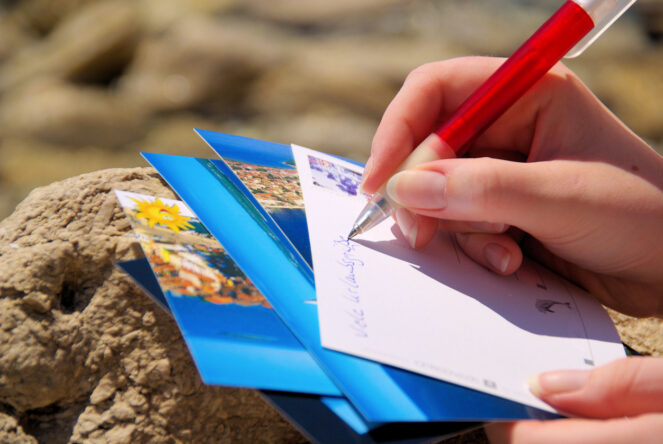
Writing can help you feel more grounded and present when you’re far from home. Sending a postcard to a friend or family member is a lovely way to share your trip. It also gives them a small surprise to look forward to. You could even send a postcard to yourself, so there’s a reminder of your adventure waiting when you get back. Taking a few minutes to write also gives you time to reflect on your experiences. Many people find it a calming way to end the day.
Match your plans to your energy.
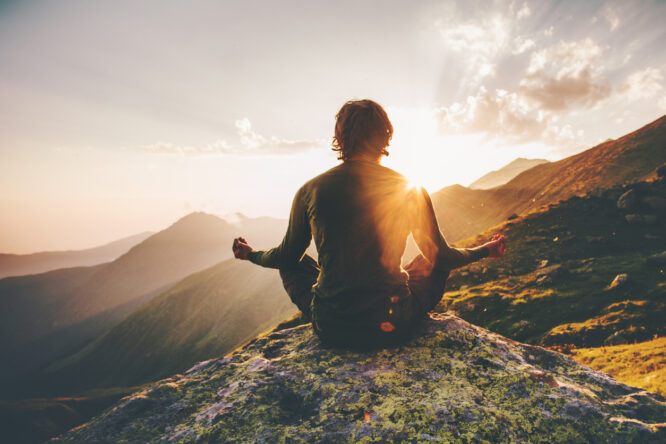
Travelling can be tiring, so think about how much energy you have before deciding what to do. When you’re feeling lively, try something social, such as a guided walk, a food tour or a cooking class. These are easy ways to meet people while learning something new.
If you’re tired after a long journey, choose something gentler. Sitting in a cafe, park, or town square and watching the world go by can help you feel connected to the place around you. It’s a relaxing way to enjoy the local atmosphere without needing to chat.
Look for ways to meet people.

Group activities are one of the easiest ways to connect with others. Instead of exploring a museum alone, join a guided tour. Day trips and excursions are also popular with solo travellers. Visit local markets, cafes, and community events to get a feel for everyday life. Many destinations offer experiences hosted by local people, from walking tours to craft workshops, which can be booked online. These often attract other solo travellers who are keen to chat.
Work, connect or give something back.

If you’re working while you travel, renting a desk in a shared workspace can be a great way to meet people. You could also check whether any contacts from work or social media live in the place you’re visiting. A friendly coffee with a familiar face can make a big difference.
Volunteering for a day or two, such as helping with a beach clean or a local conservation project, can help you feel part of a community. Choose well-run, responsible projects, and avoid ones involving vulnerable children, such as orphanage visits, which can do more harm than good. Helping out alongside others is often a quick way to make friends.
Choose destinations that suit solo travellers.
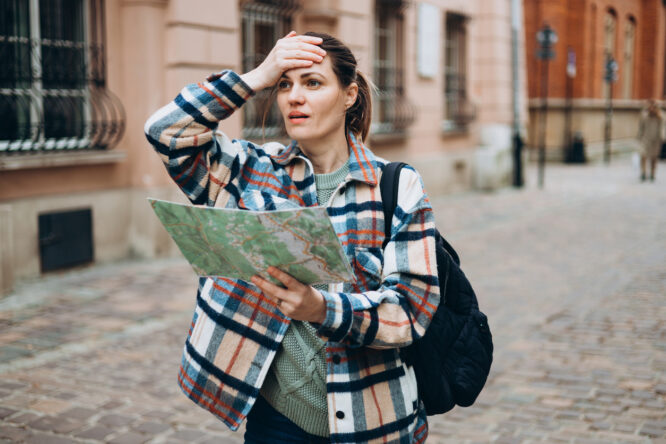
Big cities can be exciting, but they’re often full of couples, families, and groups of friends who stick together. Quieter places, especially those focused on the outdoors, tend to attract more solo travellers. National parks, walking routes and smaller towns can be friendly and welcoming.
Hostels, small guesthouses and places with shared dining tables also make it easier to strike up a conversation. Walking holidays and activity breaks often bring together like-minded people. Choosing the right setting can help you feel less alone.
Ensure you stay safe on your own.

Share your travel plans with someone at home and check in with them regularly. Before you go, read the latest travel advice for your destination on the GOV.UK website. Make sure you have travel insurance and keep copies of important documents.
Trust your instincts when meeting new people, and arrange to meet in busy public places. Keep an eye on your drink and belongings, especially at night. With sensible planning, a solo trip can be one of the most rewarding experiences of your life.