Watching a loved one walk straight off the plane into your arms feels like something you only see in old films.
Modern travel usually means a frantic wave in a drop-off zone with your hazard lights on, or hovering awkwardly by the arrivals barrier. Over in the US, though, that old tradition is quietly returning, with a scheme that lets people without a ticket head through security just to say hello or goodbye at the gate.
The thought of grabbing a pre-flight drink together before someone boards has naturally got people over here talking. That said, British airports aren’t exactly famous for empty security lanes or spare room, so getting the same treatment in the UK isn’t a simple fix. Understanding how the American pass works shows what it takes to pull off, and whether we’ve got any real chance of seeing it at our own terminals.
What’s happening in the US?
America’s airport security agency has launched a scheme called Gateside. It allows certain people who aren’t flying to pass through security and wait at the gate. They can greet arriving passengers, see someone off or spend time with a friend during a layover.
It isn’t the first time non-passengers have been allowed airside in the US. American airlines have long offered escort passes so people can walk children or passengers with disabilities to the gate, and a few airports, such as Detroit and Seattle, already run their own visitor passes. Gateside is different because it’s a national scheme run by the security agency itself, aimed at bringing back a little of the warmth many feel modern air travel has lost.
How the scheme works

It isn’t open to everyone. Only people who are already members of a US trusted traveller programme, which involves background checks, can apply. They need to request a pass one to three days in advance and wait for approval.
Approved visitors still go through security screening just like passengers and must bring valid photo ID. The scheme is currently available at 13 US airports, including Los Angeles, Las Vegas, Dallas Fort Worth and San Diego. It was briefly expanded to many more airports before being scaled back, though more locations are expected to be added in future.
The change will make a big difference to many travellers.
For many, being able to walk someone to the gate is about more than a longer goodbye. Airports can be confusing and stressful, especially for nervous flyers, older people, families with young children and people with disabilities. Having someone familiar alongside them can make finding the right gate much easier.
It could also let families spend more time together before a long trip or a military deployment. Parents could see young adults off on their first solo flight. Friends could catch up over a coffee during a long layover without leaving the airport.
There are concerns about the scheme, though.
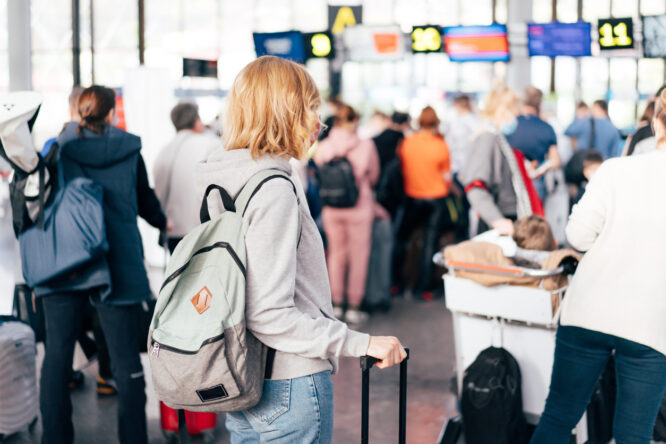
Not everyone is convinced. The biggest worry is that letting non-passengers through could make security queues even longer. Travellers rushing to catch a flight may not be pleased to find people ahead of them who aren’t flying at all. US officials say they can limit the number of passes at busy times to keep queues under control. Passengers with tickets are meant to remain the priority. How well this works in practice will become clearer over time.
How things work in the UK
At UK airports, security areas are generally only open to passengers with a boarding pass and authorised staff. Friends and family can usually only go as far as the check-in area when saying goodbye. For arrivals, people wait in the public arrivals hall rather than at the gate.
There’s currently no sign of a scheme like Gateside being introduced in Britain. The UK doesn’t have the same type of trusted traveller programme for the general public that the US scheme relies on. Any change would also need careful thought about security, staffing and queue times at already busy airports.
Could it ever happen here?
It’s possible that UK airports and the government could look at how the US scheme performs. If it proves popular without causing longer queues, it may spark discussion here. However, any change would take time and would need to meet strict security rules.
Airside shops and services are also set up mainly for departing passengers, which could add extra complications. For now, Brits hoping for an emotional reunion at the gate will have to keep waiting. Reunions in the arrivals hall, with handmade signs and big hugs, remain the British way.
Help available at UK airports now.
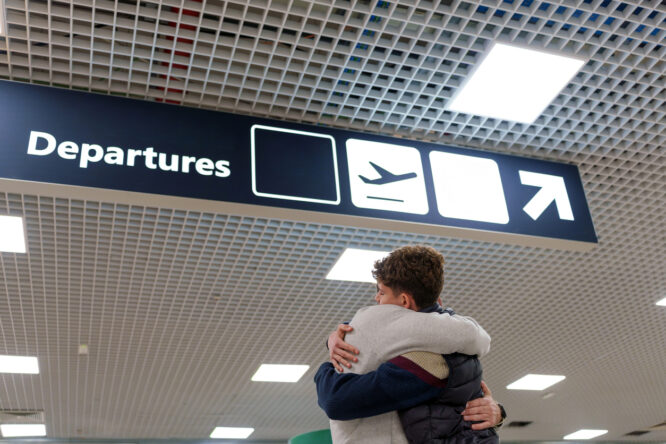
While you can’t usually walk a loved one to the gate, there is support for people who need extra help. UK airports must provide free assistance for passengers with disabilities, reduced mobility or other needs, such as anxiety or dementia. This can include help getting through security and to the gate.
It’s best to request assistance at least 48 hours before flying, usually through your airline or travel company. Many airlines also offer a service where staff look after children flying alone, from check-in to arrival. These options can give travellers and their families real peace of mind.