With flight prices through the roof, plenty of people are hunting for ways to beat the system.

The latest trick doing the rounds is “skiplagging”, where you book a journey with a layover in the city you actually want to visit, then simply walk out of the airport and ditch the connecting flight. It can cut costs because airline pricing rarely makes sense, but carriers hate it and will cancel your return ticket the second you go missing. Understanding the rules, how it affects UK holidaymakers, and why airlines clamp down so hard will help you decide if it’s worth the bother.
How is skiplagging done?

Skiplagging, also known as hidden-city ticketing, takes advantage of the way airlines price their flights. Sometimes a flight to a city with a stopover costs less than a direct flight to the stopover city itself. Travellers book the cheaper ticket and simply leave the airport at the connection.
For example, a ticket from London to a destination in Asia with a change in Amsterdam might cost less than a direct flight from London to Amsterdam. Someone who only wanted to go to Amsterdam could book the longer journey and get off there. Specialist booking websites even search for these fares on purpose.
Why the prices work this way

Airlines set fares based on demand and competition rather than distance. Busy routes between major cities may be priced high because many people want to fly them. Longer journeys with connections can be priced lower to compete with other airlines. That can create situations where a longer trip costs less than a shorter one. Skiplagging takes advantage of this gap. Airlines argue that it upsets the way they plan seats and set prices.
When it might work for UK travellers
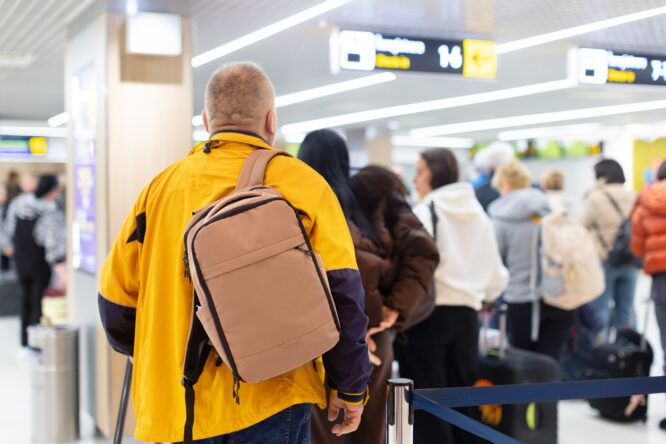
Skiplagging only works on tickets that include a connecting flight. For UK travellers, this mainly applies to long-haul trips or flights with major airlines that change at European or Middle Eastern hubs. It can also work on flights coming into the UK that continue onwards from a British airport.
It rarely applies to budget airlines such as Ryanair and easyJet, as they mainly sell single, direct flights. Most UK domestic flights are direct too. That means many of the short trips Brits take don’t offer the chance to skiplag at all.
Understandably, airlines really don’t like it.
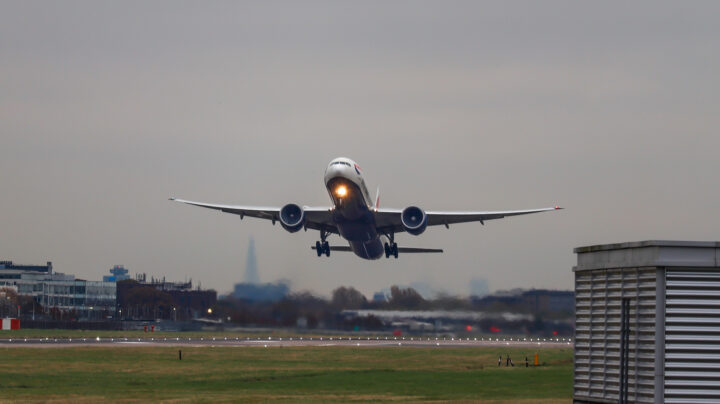
Airlines say skiplagging leaves empty seats that could have been sold to other passengers. It can also cause problems with planning and luggage. Most major airlines, including British Airways, ban it in their terms and conditions.
Skiplagging isn’t illegal in the UK, but it does break the rules you agree to when you buy a ticket. Airlines can cancel the rest of your booking, take away loyalty points, or ban you from flying with them. Some airlines have even taken passengers to court in the past to recover costs.
The risks you need to know if you’re tempted to try skiplagging yourself

If you skip one part of your trip, the airline will usually cancel the rest of your booking, including any return flight. That’s why skiplagging only works with one-way tickets. You can’t check in a suitcase, either, as it will be sent to the final destination on your ticket.
Even cabin bags can be a risk, as busy flights sometimes ask passengers to put larger bags in the hold at the gate. If your flight is delayed, cancelled, or rerouted, the airline may rebook you to your ticketed destination, possibly via a different stopover. That could leave you stranded somewhere you didn’t plan to be.
Passports and border checks are a consideration.
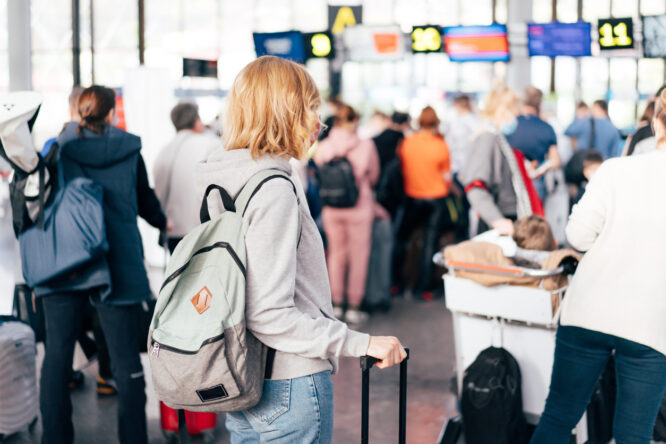
Getting off at a stopover in another country means going through immigration there. You’ll need to be allowed to enter that country with your passport, and you may need a visa or travel permit. If you were only meant to be transferring, you might not have the right documents.
Some airports require transfer passengers to stay in a secure area, which can make leaving more complicated. Rules vary from country to country, so check them carefully. Getting this wrong could mean being refused entry.
Insurance and loyalty points can be impacted.

Travel insurance may not cover problems caused by deliberately breaking an airline’s rules. If something goes wrong, you could be left paying extra costs yourself. Read your policy carefully before booking anything unusual.
Using a frequent flyer number on a skiplagged ticket could put your points and status at risk. Repeatedly booking similar routes can also raise suspicion. Many travellers decide the potential savings aren’t worth risking a loyalty account they’ve built up over years.
There are safer ways to find cheap flights.

Before considering skiplagging, try other ways to save. Comparison websites, price alerts and flexible date searches can help you spot cheaper fares. Flying midweek, avoiding school holidays and booking well in advance can also bring prices down.
Consider flying from a different UK airport or into a nearby city, as fares can vary a lot between routes. Packing light to avoid baggage fees can make a big difference with budget airlines. These options can save money without putting your booking, points or travel plans at risk.