October tends to mark the turning point in the garden, with crisp mornings and shorter days signalling that winter isn’t too far off.
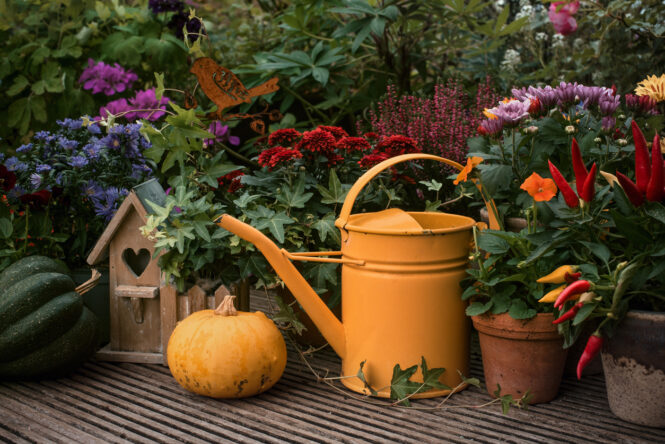
It’s a great month for tidying up, clearing out and getting everything ready before the first real frost catches you out. If your greenhouse has emptied out over the summer, now’s a sensible time to give it a clean and disinfect, since that lets more light through and stops pests settling in over winter. It’s also worth protecting any half-hardy plants with fleece, or moving them into a frost free space before temperatures drop suddenly.
Look after your flower beds and borders.

Dahlia tubers, begonia tubers and gladioli corms all need lifting and storing before the cold really bites, so it’s worth setting aside an afternoon to get this done. Strip away any dead foliage before you put them away, since leaving it on can encourage rot over winter.
This is also a good time to prune rambling and climbing roses once they’ve finished flowering, tying in the stems so autumn winds don’t cause damage. Once borders are tidied up, mulching with bark chips, well rotted manure or leaf mould helps insulate the soil and keeps weeds from taking hold before spring.
Bring in the last of the harvest.
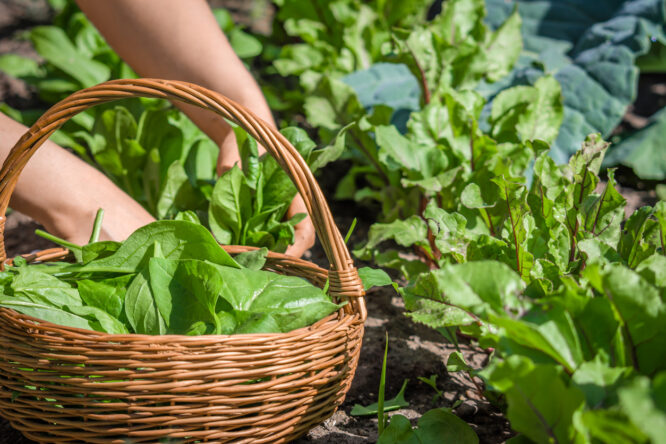
If you’ve been growing peas and beans, it’s worth finishing the harvest this month and cutting the plants away at ground level rather than pulling them out completely, since the roots release nitrogen back into the soil as they break down. Pumpkins and squashes should also come in before the first frost hits, as they turn soft and unusable if left out too long.
Tomato and pepper plants still carrying green fruit can be hung upside down indoors to ripen off the vine, which is a handy trick if a sudden cold snap catches your crop out. Cabbages can be left with their roots in the ground after harvesting, with a cross cut into the stem encouraging a fresh flush of smaller leaves to grow.
Care for fruit trees and soft fruit.
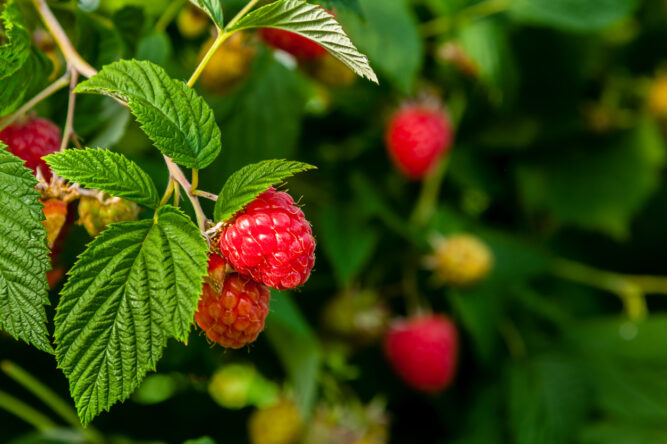
Summer fruiting raspberry canes that have already cropped should be cut back now, leaving the fresh green canes to produce next year’s fruit. It’s also worth moving any citrus trees indoors to a bright spot that stays frost free, cutting back on watering while keeping the soil from drying out completely.
Apple trees benefit from a grease band wrapped around the trunk this month, which helps trap winter moths before their caterpillars can damage next spring’s blossom. It’s also worth checking your trees for any diseased fruit still hanging on, since removing it now stops problems spreading into next year’s crop.
Prepare the greenhouse for colder months.
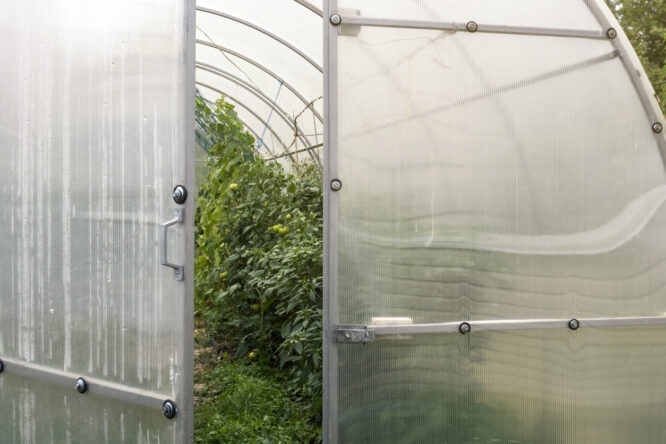
Tender plants that have spent the summer outdoors should be moved into the greenhouse before frost becomes a regular risk, with enough space left between them to keep air circulating properly. Overcrowding plants indoors tends to encourage disease, so it’s worth resisting the urge to squeeze everything in at once.
Before bringing anything inside, give it a quick check for pests like aphids, since a greenhouse is the perfect environment for infestations to spread once the weather turns. If early frosts are a regular problem where you live, setting up a heater now means you won’t be caught out on the first cold night.
Keep the lawn in good shape over winter.
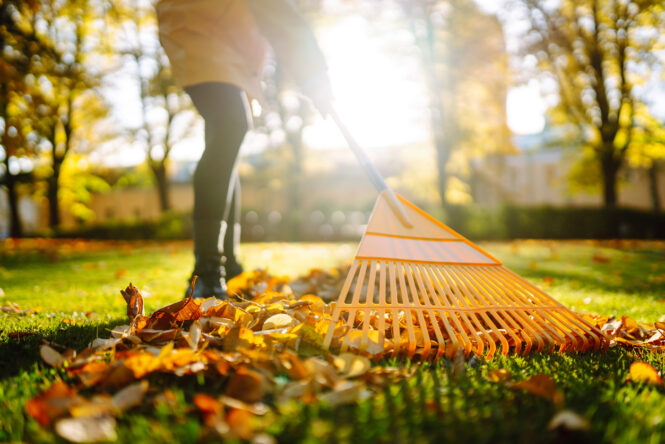
Fallen leaves should be cleared regularly through October, since leaving them sitting on the grass blocks light and can encourage patches of dead lawn underneath. A final mow can usually be fitted in before the lawn is left alone for winter, ideally on a dry day rather than damp ground.
Aerating the lawn with a garden fork helps prevent waterlogging and compaction once the wetter months arrive, which makes a noticeable difference come spring. If any patches look thin or bare, raking out the dead thatch and repairing them now still gives grass seed enough time to establish before the cold truly takes hold.
Plan ahead for next year’s garden.
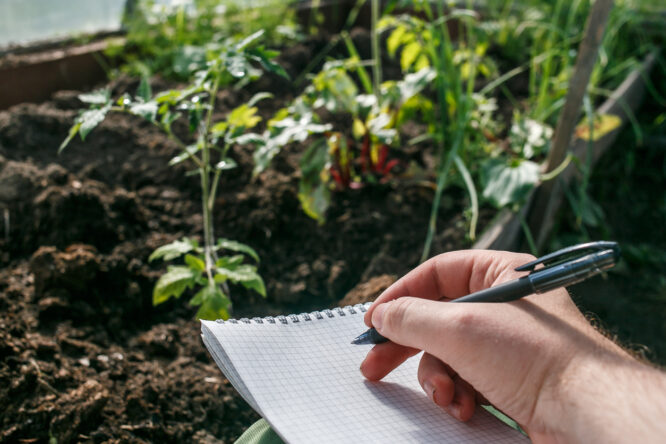
It’s easy to forget what worked well once a garden dies back for winter, so taking a few photos or notes now can save a lot of guesswork come spring. Snapping pictures of where herbaceous plants are positioned also helps avoid accidentally damaging their roots if you’re doing any digging over the colder months.
October through to spring tends to be the best window for ordering and planting fruit trees, fruit bushes and hardy perennials, so it’s worth placing any orders sooner rather than later. Taking the time to plan now often makes the difference between a garden that just gets by and one that thrives once the warmer weather returns.
Getting even a handful of these jobs done through October puts the whole garden in a much stronger position before winter sets in, so it’s worth tackling them in stages rather than trying to do everything in one weekend.