Long-haul economy flights have always been a bit of a miserable experience.
You start off optimistic, thinking you’ll watch a film, maybe get some sleep, and before you know it you’re wedged upright at 3am wondering why your neck feels like it’s been twisted sideways. That whole experience might finally be changing, though. Airlines are now trying to rethink economy comfort in a way that actually feels useful, and one of the biggest ideas so far is surprisingly simple. In fact, instead of cramming more seats in, United Airlines is about to give people the option to stretch out properly.
Economy seats that turn into beds are actually happening.
One of the biggest moves right now is coming from United Airlines, which is rolling out something called the “Relax Row” on long-haul flights. It’s not a full business class bed, but it’s also not your standard cramped seat either. It sits somewhere in the middle, aimed at people who want more comfort without paying thousands for an upgrade.
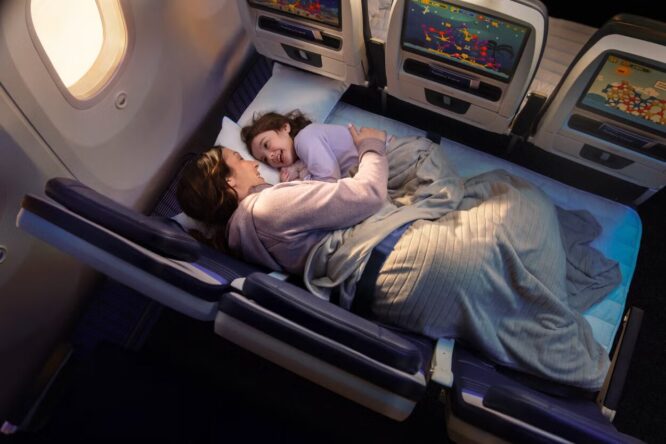
The idea is straightforward. You book a full row of three economy seats, and instead of sitting upright, the seats are designed to convert into a flat surface. Each one has a leg rest that lifts up, turning the row into a kind of couch or bed that you can actually lie down on.
How the “Relax Row” actually works in real life
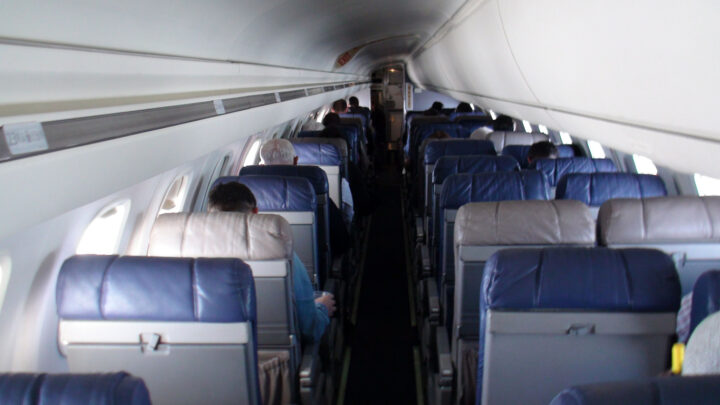
This is more than just having empty seats next to you, which people have always hoped for anyway. The difference here is that the seats are built to work together. Once you’re up in the air, the leg rests come up and fill the gaps between seats, creating a wider, flatter surface.
To make it feel more like a proper bed, passengers also get extras like a mattress pad, a blanket, and pillows. If you’re travelling with kids, there are even little extras thrown in like toys and activity kits, which tells you exactly who airlines think this will appeal to.
Who this is really aimed at

This isn’t being sold as a luxury product for wealthy travellers. It’s aimed at regular economy passengers who just want a bit more space, especially on overnight flights where sleep actually matters.
Couples are an obvious fit because they can share the space without feeling boxed in. Families with young children also make sense, since keeping kids comfortable on a long flight is half the battle. Even solo travellers might go for it if the price feels reasonable, especially if it means arriving somewhere without feeling completely wrecked.
When you’ll actually see this on planes
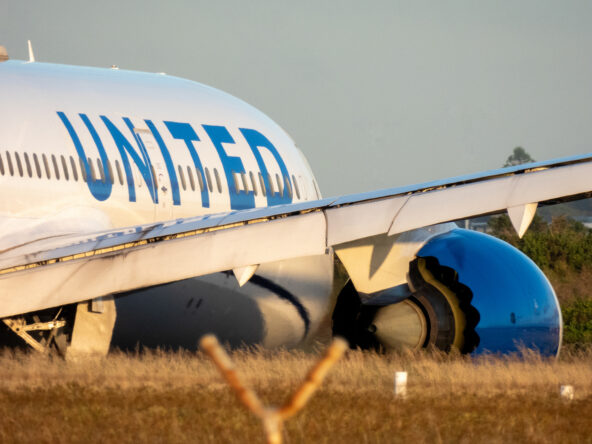
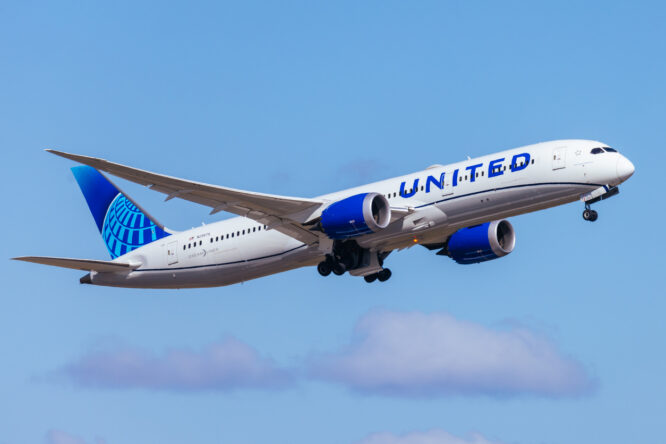
The rollout isn’t happening overnight. The plan is to introduce these rows from 2027 onwards, starting with long-haul aircraft like Boeing 787s and 777s. Over time, the airline expects to add them to hundreds of planes, so it won’t just be a one-off novelty.
Each aircraft will only have a limited number of these rows, though, which means they’ll likely be in demand. You’re not looking at a full cabin redesign here, more like a new option sitting between standard economy and premium economy.
Why airlines are suddenly doing this now
There’s a bigger trend behind all this. Airlines have realised that people are willing to pay a bit extra for comfort, but not everyone wants to jump all the way up to business class prices. So, instead of just offering two extremes, cramped economy or expensive premium cabins, they’re filling the gap in between. It’s a way of making more money without completely redesigning the aircraft, while also giving passengers something that actually feels like an upgrade.
This isn’t the first time airlines have tried it
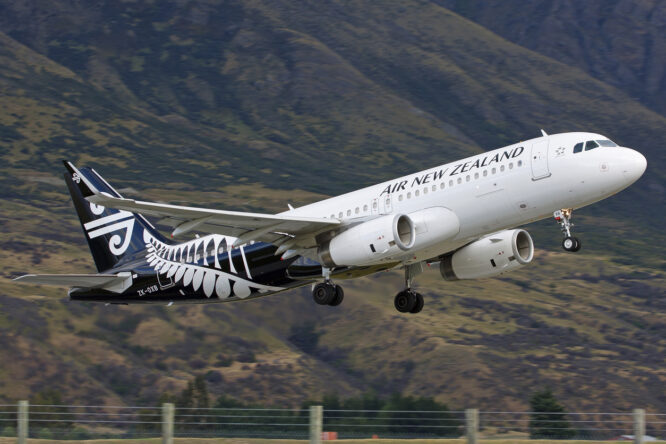
Even though this sounds new, the idea has been around for a while. Air New Zealand introduced something similar years ago with its “Skycouch,” which also lets you turn a row of seats into a bed-like space.
Other airlines in Europe have experimented with “sleeper rows” too, where you can pay to block out an entire row and lie across it. The difference now is that the design is becoming more intentional, with seats built specifically to create that flat surface rather than just hoping for empty space.
Will it actually feel comfortable enough?

This is the big question. It won’t be the same as a proper flatbed in business class, where everything is designed around sleep from the ground up. You’re still dealing with an economy cabin, and there are limits to how much space you can create. That said, being able to lie down at all is a huge step up from sitting upright for ten hours. Even if it’s not perfect, it’s likely to feel miles better than trying to sleep with your head on a tray table or leaning against a window.
How much it might cost

Pricing hasn’t been officially confirmed yet, but based on similar setups from other airlines, it probably won’t be cheap. You’re effectively paying for multiple seats plus the added comfort features, so it’ll sit somewhere above standard economy but below premium cabins. The key thing is whether people see it as worth it. For some travellers, especially on long overnight flights, paying extra for actual sleep could feel like money well spent.
What this means for the future of economy travel
This kind of setup says a lot about where flying is heading. Airlines aren’t just trying to squeeze more people in anymore. They’re experimenting with flexibility, giving passengers different ways to use the same space depending on what they’re willing to pay.
If this takes off, it’s easy to imagine more variations popping up. Different layouts, better materials, maybe even more modular seating that can be adjusted mid-flight. It’s not quite business class comfort, but it’s definitely a move away from the one-size-fits-all approach economy has had for years.
Why people are paying attention to this
At the end of the day, long-haul flights are one of those experiences most people just put up with. You expect them to be uncomfortable, and you deal with it. The idea that you could actually lie down in economy without spending a fortune changes that expectation a bit. It won’t fix everything, but it does feel like a step towards making flying less of something you endure and more something you can actually get through without feeling completely drained.
To read more about United’s “Relax Row” plans, check out the official press release here.