If you’ve spent your whole life in the UK, you probably think you know everything from our confusing motorways to the exact way a scone should be prepped.

However, the truth is that our island has a habit of hiding its oddest details in plain sight. We’re a nation built on layers of history, weird local traditions, and geographical quirks that often leave even the most seasoned travellers a bit stumped when put on the spot. It’s not just about knowing the capital cities or the names of the royals; it’s about those tiny, specific bits of trivia that make Britain exactly what it is.
Whether you pride yourself on being a pub quiz champion or you just enjoy a good old-fashioned bit of rivalry with your mates, these 20 questions are designed to see if you’re a true expert or if you’ve just been coasting on the basics. Before you start bragging about your local knowledge, have a crack at these and see if you actually know your way around the map as well as you reckon.
1. Which country in the British Isles has the longest coastline?
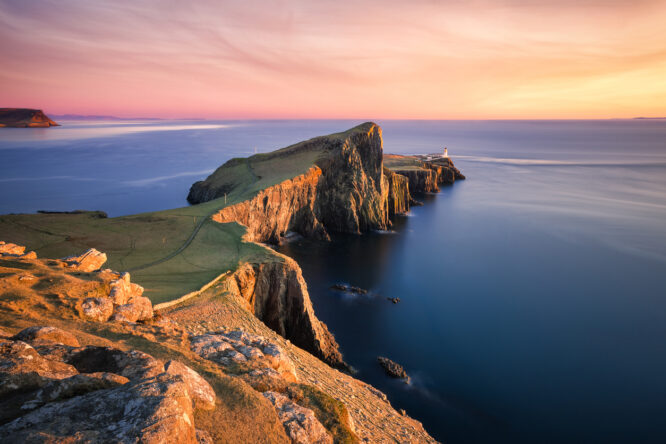
It’s not as straightforward as you might think, and the answer has nothing to do with which country is the largest. Most people get this one wrong on the first try. The sheer number of islands, sea lochs, and inlets involved makes the calculation far more complex than it looks on a map.
2. What is the oldest university in the English-speaking world?
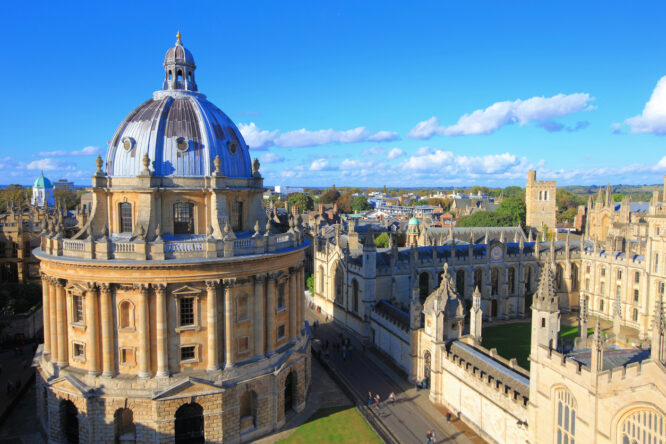
It’s been teaching students for nearly a thousand years and has produced more British prime ministers than any other institution in the country. The exact date it was founded is unclear, but teaching is recorded there as far back as 1096. It’s home to some of the most famous libraries, museums, and academic traditions in the world.
3. Which British city was once known as the second city of the British Empire?
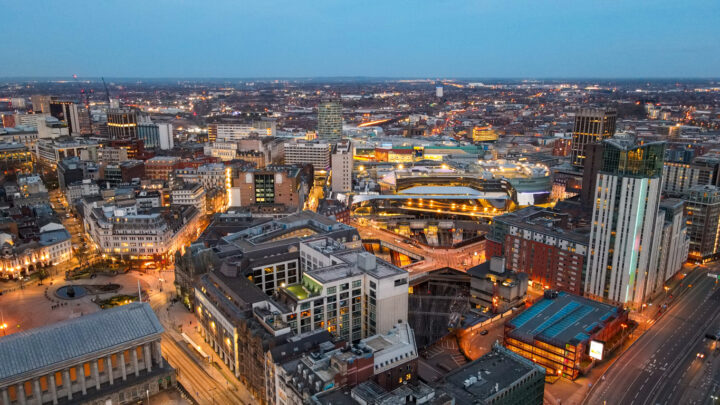
At its peak it was one of the most industrially powerful places on earth, and its influence stretched far beyond its own borders. It sat at the heart of British manufacturing during the Industrial Revolution and drew workers from across the country and beyond. The title was a source of genuine civic pride for generations.
4. How many countries make up the United Kingdom?
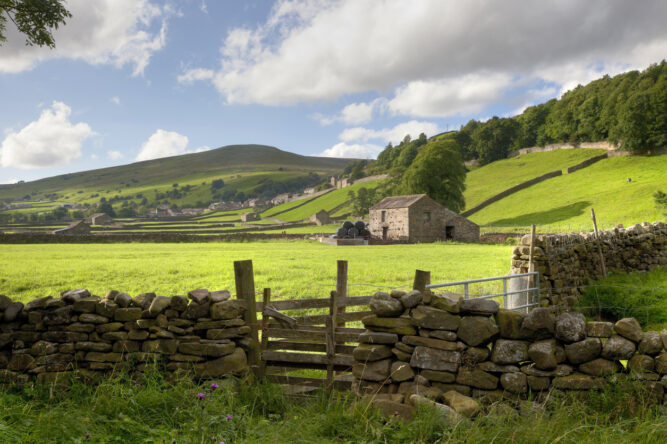
It sounds like the easiest question on the list, but you’d be surprised how many people either over-count or muddle up the difference between the UK and the British Isles. The two terms are not interchangeable, and several islands and territories that feel distinctly British don’t actually fall under the UK umbrella at all. Getting this right requires knowing exactly where the political boundaries sit.
5. What is the name of the deepest lake in the British Isles?
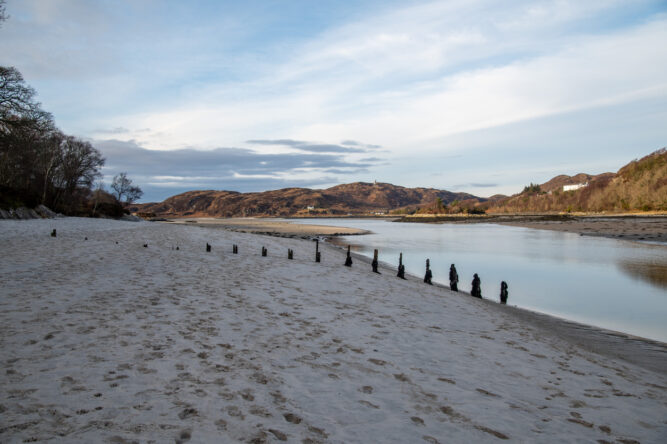
It’s not the most famous loch in Scotland by a long stretch, but the water here goes deeper than almost anywhere else you’ll find on these islands. At its deepest point it reaches around 310 metres, which is deeper than large parts of the North Sea. It sits in a remote part of the Scottish Highlands and gets far fewer visitors than its more famous neighbours.
6. Which English county has the longest coastline?
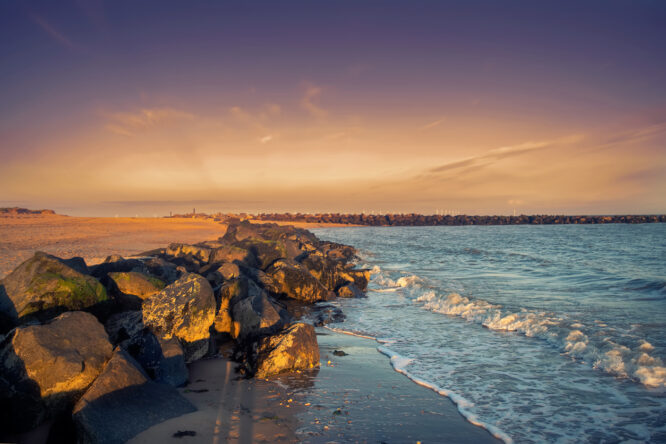
It’s not Cornwall, and it’s not Devon either. The answer is a county that tends to get overlooked despite being right on the doorstep of London. Its coastline is so extensive because of the large number of estuaries, inlets, and tidal creeks that cut into the land along its edge.
7. What is the most northerly point of mainland Britain?
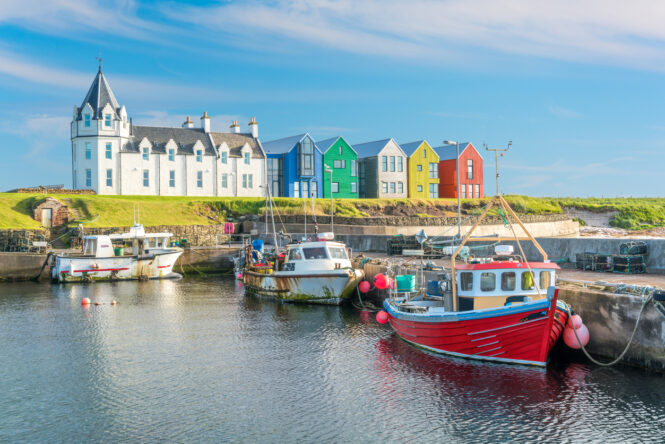
Most people guess incorrectly here because a more famous location tends to steal the credit. The real answer is a few miles further north than most expect, and relatively few visitors make the effort to find it. It sits on a quiet stretch of coastline in Caithness with nothing much around it except open sky and sea.
8. Which British city has more canals than Venice?
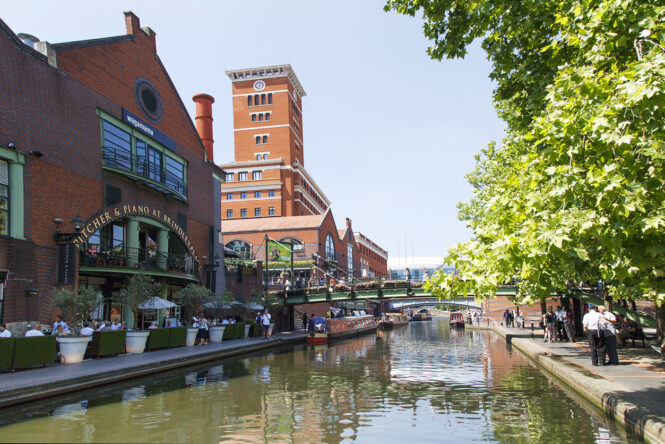
The comparison gets made so often that it’s become a local point of pride, and the network stretches across a surprisingly large part of the city centre. The canals were originally built to serve the city’s booming industrial trade during the 18th and 19th centuries. Many of them fell into disrepair but have since been restored and are now lined with bars, restaurants, and flats.
9. What was the original name of London during Roman occupation?
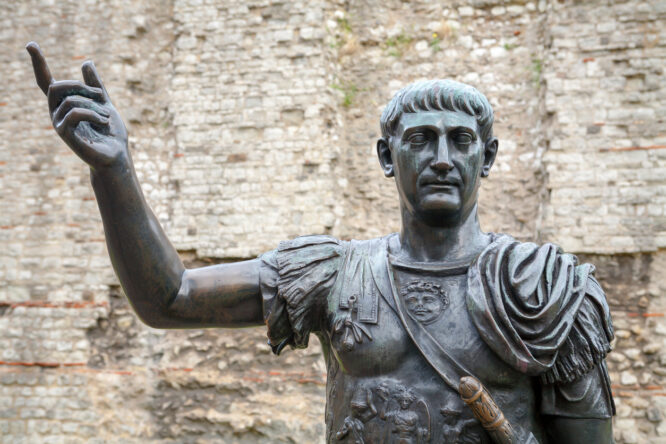
The Romans established it as a trading hub shortly after their invasion in 43 AD, and it grew quickly into one of the most important settlements in the province. It was chosen partly because of its position on the Thames, which made it easy to supply from the coast. At its height, it had a population of around 60,000 people and was one of the largest cities in the Roman world outside of Italy.
10. Which island sits roughly halfway between Britain and Ireland and is famous for its annual motorcycle race?
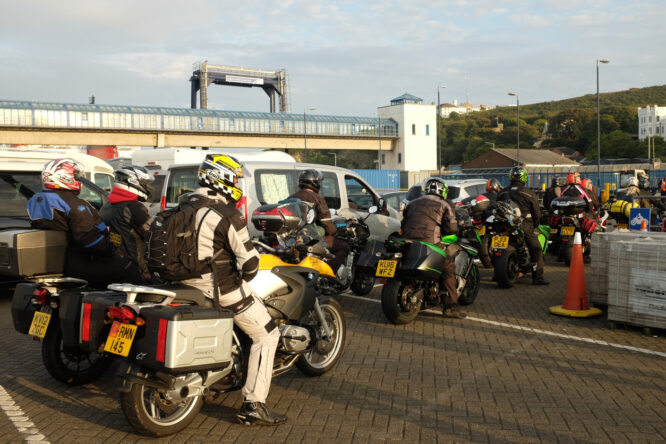
The race has been held there since 1907 and is considered one of the most dangerous motorsport events in the world. Riders reach speeds of over 200mph on public roads that are closed for the event, with stone walls and hedges just feet away. It draws hundreds of thousands of visitors every year and is the island’s most significant annual event by far.
11. What is the name of the body of water that separates Scotland from Northern Ireland at its narrowest point?
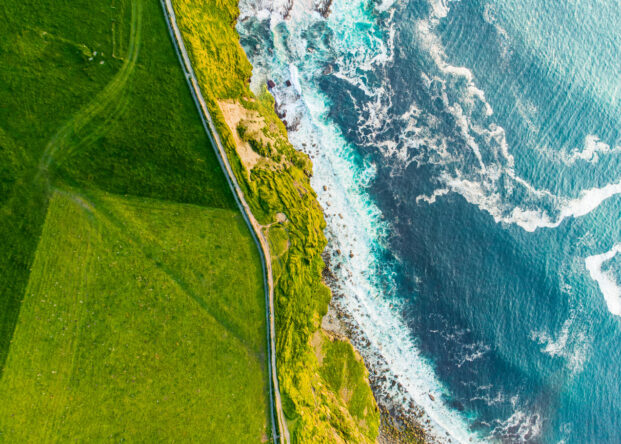
At its closest, the gap between the two landmasses is only around 12 miles, making it the shortest sea crossing between Britain and Ireland. On a clear day, you can see one side from the other without any difficulty. There have been various proposals over the years to build a bridge or tunnel across it, though none have progressed beyond the planning stage.
12. Which British monarch reigned the longest before Queen Elizabeth II broke the record?

This ruler sat on the throne through an extraordinary period of history, including the Crimean War, the Irish Potato Famine, and the Boer War, among many other major events. She reigned for more than six decades total, and is considered to have been one of the most influential monarchs in British history.
13. What is the smallest city by population in England?
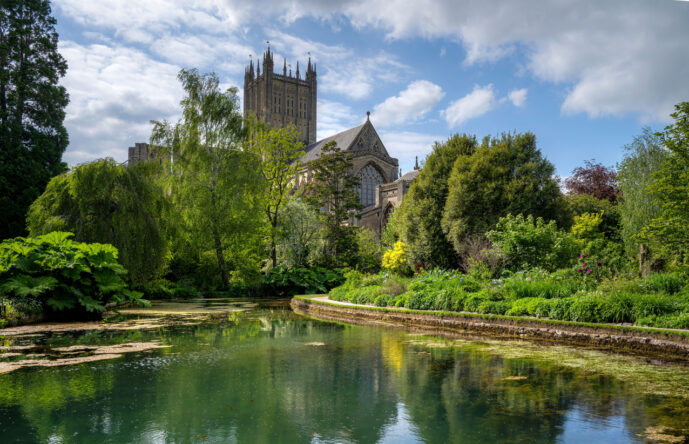
It has a cathedral, which is how it qualifies as a city at all, and its entire population could fit comfortably inside a mid-sized football stadium. It sits in Somerset and has a distinctly medieval feel, with its cathedral and bishop’s palace dominating the centre. Despite its tiny size, it draws a significant number of tourists each year.
14. Which river flows through the most British cities?
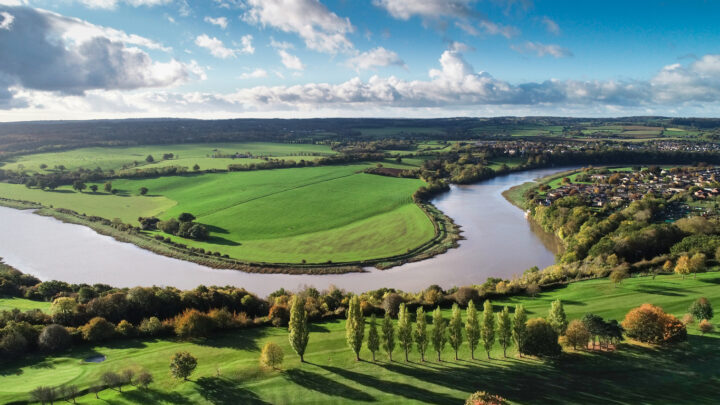
It’s the longest river in Britain, passing through some of the most significant towns and landscapes in the country before reaching the sea. It rises in mid-Wales and eventually crosses into England, flowing through several major urban areas on its way. For centuries, it served as a vital trade route, and its banks are lined with towns that grew up around that commerce.
15. What is the name of the chalk figure carved into a hillside in Oxfordshire, believed to be over 3,000 years old?
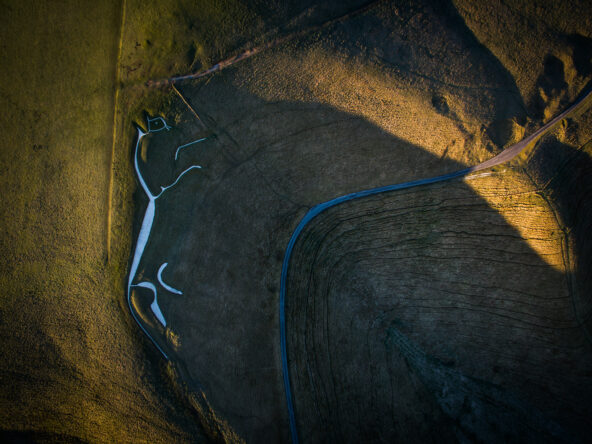
It’s one of the oldest hill figures in Britain, and its purpose is still debated — nobody knows for certain why it was made or what it represented. The figure is highly stylised and looks quite abstract compared to later chalk carvings found elsewhere in the country. It can only really be appreciated from a distance or from the air, which raises its own questions about who it was actually meant to be seen by.
16. Which part of the UK receives the most rainfall on average per year?
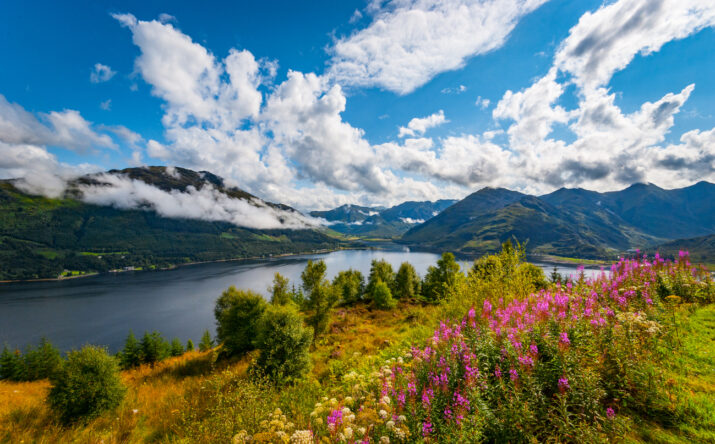
It’s not quite where most people assume, and the figures involved are considerably higher than what most of the country experiences. The combination of Atlantic weather systems and high mountain terrain creates conditions that trap moisture and produce persistent, heavy rainfall. Some spots in this region receive over 4,000 mm of rain per year, which is roughly four times the UK average.
17. What is the name of the only wild herd of reindeer in Britain?
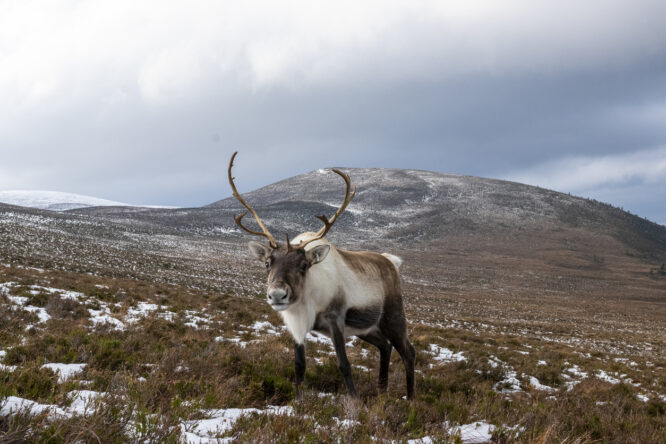
They were reintroduced in the 1950s by a Swedish Sami reindeer herder who believed the Scottish landscape was well-suited to them, and the herd has thrived ever since. They roam freely across a mountain plateau and are managed by a small team of herders who know each animal individually. The herd currently numbers around 150 and is one of the more unusual wildlife attractions in the country.
18. Which British city was the first outside London to open an underground railway system?
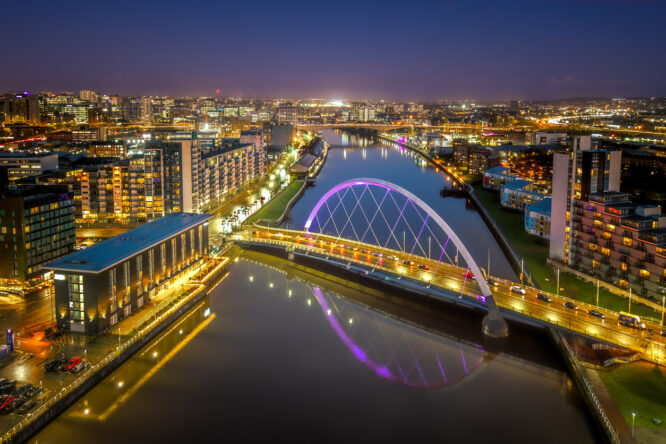
It opened its subway in the 1890s and the network is famously compact compared to the London Underground, running in a simple loop beneath the city centre. It’s one of the oldest subway systems in the world still in operation and has changed relatively little since it first opened. Locals have a particular affection for it despite — or perhaps because of — its modest scale.
19. What is the longest river entirely within Wales?
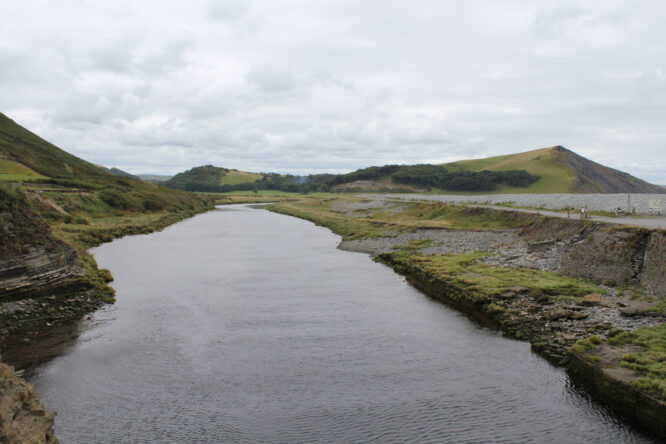
Unlike the Severn and the Wye, which both cross into England, this river stays within Welsh borders for its entire length before reaching the sea. It flows through some of the most scenic countryside in mid and west Wales and has been an important part of the local landscape for centuries. The river valley it passes through is known for its wildlife and walking routes.
20. Which British overseas territory sits at the southern tip of the Iberian Peninsula?
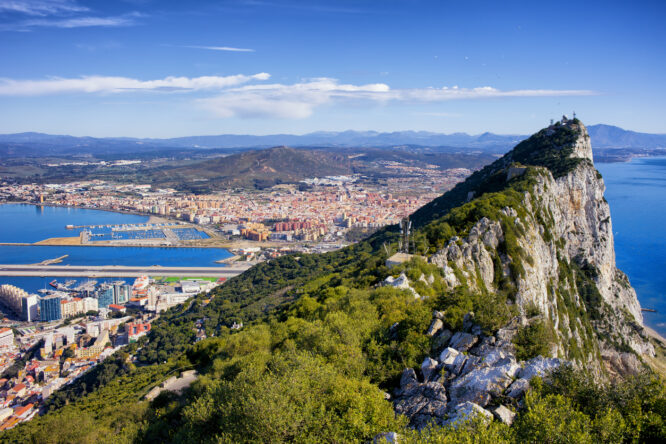
It has been under British control since 1704 and its strategic position at the entrance to the Mediterranean has made it one of the most fought-over pieces of land in European history. Spain has repeatedly called for its return, but the population has voted overwhelmingly on multiple occasions to remain British. It has its own government and currency but relies on the UK for defence and foreign policy.
The answers

1. Scotland
2. University of Oxford
3. Birmingham
4. Four — England, Scotland, Wales, and Northern Ireland
5. Loch Morar, Scotland
6. Essex
7. Dunnet Head, Caithness
8. Birmingham
9. Londinium
10. The Isle of Man
11. The North Channel
12. Queen Victoria, who reigned for 63 years
13. Wells, Somerset
14. The River Severn
15. The Uffington White Horse
16. The Scottish Highlands
17. The Cairngorm reindeer herd
18. Glasgow, which opened its subway in 1896
19.The River Tywi
20. Gibraltar
How did you get on? Scoring 16 or more puts you firmly in expert territory. Anywhere between 10 and 15 is a solid result, and if you’re below that, at least you’ve learned something new.