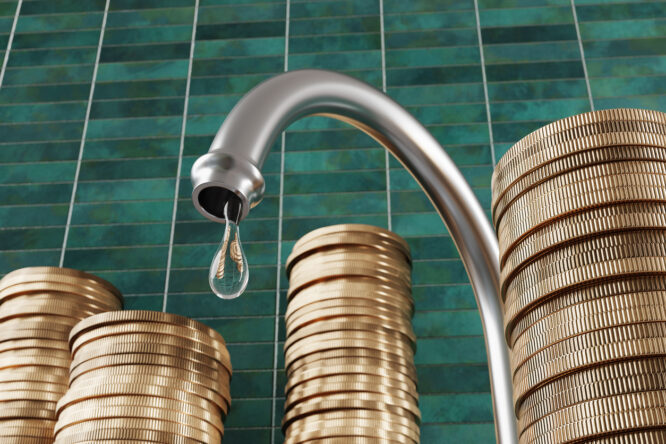
If you’ve been squirrelled away every spare penny for a rainy day, you might think you’re being the responsible one, but there’s a sweet spot for your savings that most people struggle to hit.

It’s more than just having a pile of cash sitting in a bank account for when the boiler packs in or the car fails its MoT; it’s about making sure that money isn’t just rotting away while inflation nibbles at its value. Having too little to fall back on can leave you in a proper mess if your circumstances change overnight, but holding onto too much means you’re missing out on the growth you’d get if that money were working harder elsewhere.
Striking the right balance is a bit of a balancing act that depends on everything from your job security to how many people are relying on your pay packet. Before you tuck another hundred quid into that “just in case” pot, it’s worth checking if you’ve actually hit your limit or if you’re still a bit short of the mark. And, it should go without saying, but make sure you talk to a qualified, licensed financial professional before making any major decisions—this piece shouldn’t be taken as advice, rather just insight to help you look more closely into your options.
How much should you actually have?

The standard advice is three to six months of essential living costs in an easy-access account, though many financial planners now suggest pushing that to twelve months. Essential means the non-negotiables. Rent or mortgage, energy, food, insurance, and debt repayments. In other words, it’s not your full monthly spend including treats and takeaways, just the stuff that can’t stop if your income does.
If your essential outgoings come to £1,500 a month, you’re looking at somewhere between £4,500 and £18,000 depending on how cautious you want to be.
Don’t forget the household buffer.

On top of your emergency fund, many advisers suggest keeping a separate £2,000 to £5,000 for unexpected household costs. A broken boiler, a car failing its MOT, or a leaking roof aren’t financial emergencies in the planning sense, but they arrive without warning and with a bill attached. Having that money ring-fenced means your emergency fund stays intact for what it’s actually there for.
What if you’ve retired?

Retirees generally need more in cash than people who are still working. When you’re earning, an unexpected cost is uncomfortable but manageable. On a fixed retirement income, the options narrow considerably.
Most wealth managers recommend at least three months of essential expenses as a minimum for retirees, but the more commonly cited figure is considerably higher. Some guidance suggests holding two to three years of cash specifically to avoid being forced to draw from investments when markets are down. If you have that cash buffer in place, you can leave your portfolio alone during a downturn and wait for recovery rather than selling at a loss to fund day-to-day living.
That said, holding far more than you need has a real cost, even in retirement. A large sum sitting in a standard savings account for ten or fifteen years of retirement loses purchasing power steadily. The goal is enough cash to feel genuinely secure, with anything beyond that working harder elsewhere.
The problem with holding too much

The average easy-access savings rate fell to 2.41% in February 2026, its lowest since July 2023. Inflation in January was running at 3.2%. That gap means cash in most accounts is losing real value every month, even if the number on your screen stays the same.
The Financial Conduct Authority estimates that 7 million UK adults have £10,000 or more in cash savings who could potentially be getting stronger long-term returns by investing some of it. That’s a lot of money quietly underperforming for reasons that are often more about habit or anxiety than actual need.
It’s also worth checking where your cash is sitting. Money in a current account earning nothing is a very different thing from money in a best-buy easy-access savings account. If you haven’t checked your rate recently, it’s worth twenty minutes of your time.
What to do with the excess

Once your emergency fund and household buffer are covered, anything beyond that deserves a proper look.
A stocks and shares ISA is the most accessible starting point for most people. You can invest up to £20,000 per tax year with no tax on gains or dividends. Investing carries risk and values can fall, but over a long timeframe a diversified portfolio has historically outperformed cash savings in a big way. The S&P 500 has averaged above 10% annually since 1957 despite more than twenty major downturns in that period. The key is only investing money you won’t need for at least five to ten years.
For those who want better returns than cash without the full volatility of the stock market, UK government gilts are worth understanding. They offer fixed returns, carry relatively low risk compared to equities, and are exempt from capital gains tax, which makes them particularly useful for higher-rate taxpayers.
If you’re still working, pension contributions should come before anything else. The tax relief alone makes a pension the most efficient way to save for the long term for most people, and if your employer also contributes, not using that fully is leaving part of your salary unclaimed.
The bottom line

A properly sized emergency fund gives you genuine security and peace of mind. That’s worth having. But anything above what you actually need sitting idle in a low-rate account is working against you, often without you noticing. Getting the balance right doesn’t require becoming a financial expert. It just requires an honest look at what you genuinely need versus what you’re holding out of habit, and deciding to do something more useful with the difference.
For more information, Citizens Advice has a great list of resources on how to get in touch with the right financial advisor for your particular situation. Check it out!