While hotel rooms are designed to look like a pristine sanctuary, those in the industry know that the fresh vibe is often just skin-deep.

Housekeeping staff are usually working against a brutal clock, sometimes with as little as 20 minutes to flip a whole room, which means they’re forced to prioritise the big stuff like beds and bathrooms while smaller, high-touch items get a quick wipe or are skipped entirely.
It’s more than just a bit of dust that gets left behind. In fact, some of the most standard amenities in your room are hotspots for germs, simply because they’re nearly impossible to deep-clean between every guest. From the stuff you’re definitely going to touch tonight to the items that have probably never seen a washing machine, here are the things hotel staff say you should think twice about using.
The TV remote
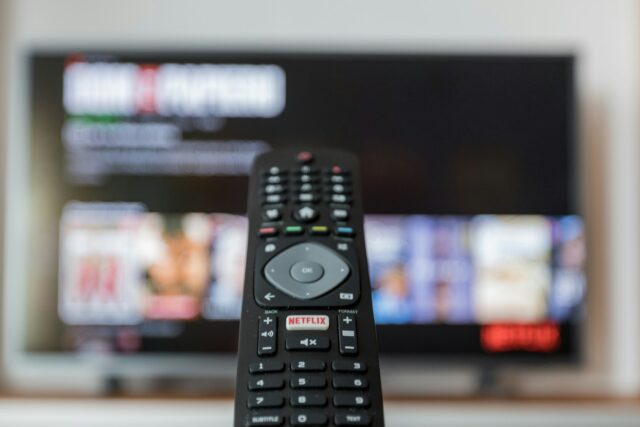
Housekeeping staff consistently flag the remote as one of the dirtiest objects in the room. Studies have found bacteria including E. coli and staph on hotel remotes, and it’s not hard to understand why. Every guest handles it, often without washing their hands first, and properly cleaning one takes time that most housekeeping schedules don’t allow for. A quick wipe is the most it typically gets. A simple fix is to slip it inside one of the plastic shower caps from the bathroom before you use it, which sounds odd but works well.
The glasses in the bathroom
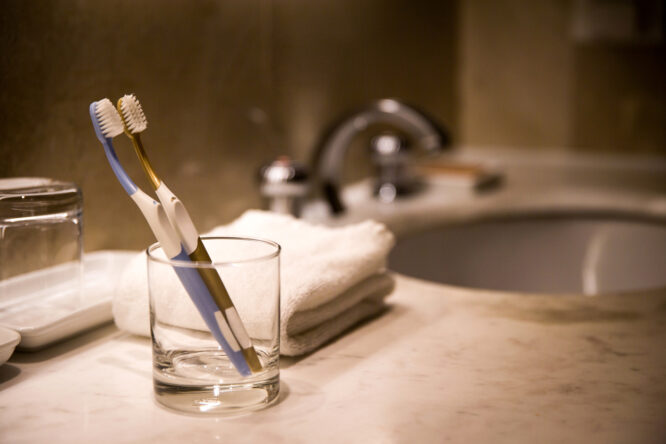
Multiple housekeepers have spoken anonymously about this one, and the picture isn’t great. Those glasses are often rinsed in the sink and wiped down with the same cloth used on other surfaces in the room. In some cases, they’re not even rinsed, just wiped and put back. The issue isn’t necessarily individual staff cutting corners, but a system that doesn’t give them the time or access to a dishwasher needed to do it properly. Bringing your own reusable cup or using a sealed disposable cup is the safer option.
The bedspread or decorative throw

Sheets and pillowcases are washed between every guest. The thick bedspread or decorative throw on top often isn’t, at least not after every stay. The industry reasoning is that guests don’t sleep under it, but in practice, people sit on it, put luggage on it, and use it in all sorts of ways. Hotel staff who travel themselves often say the first thing they do on arrival is fold the bedspread and put it in the wardrobe. It’s worth doing the same.
The ice bucket
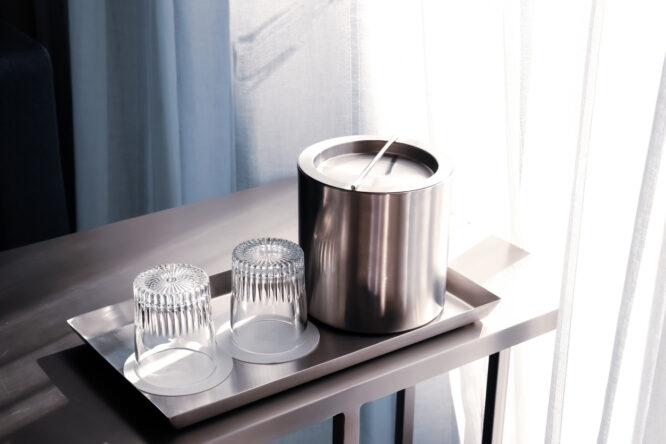
Ice buckets get used for all sorts of things guests probably don’t want to think about, and the plastic liner or lid is rarely properly sanitised between stays. Housekeepers have mentioned finding everything from seafood to baby bottles to much worse inside them. Most hotels provide a disposable plastic liner and the advice is to always use it, or to ask the front desk for a sealed one if you can’t see one in the room. Using the bucket directly without any liner isn’t something staff would recommend.
The carpet
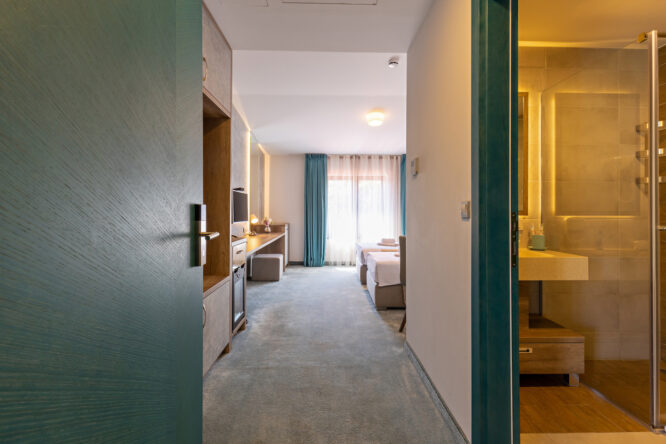
Vacuuming happens regularly, but deep cleaning with steam or shampoo tends to happen once or twice a year at most. In the meantime, the carpet accumulates everything you’d expect from a surface that hundreds of people walk across without thinking about it. Wearing flip-flops or slippers around the room rather than going barefoot is worth doing, especially if you have any cuts or breaks in the skin on your feet.
The wall-mounted hairdryer
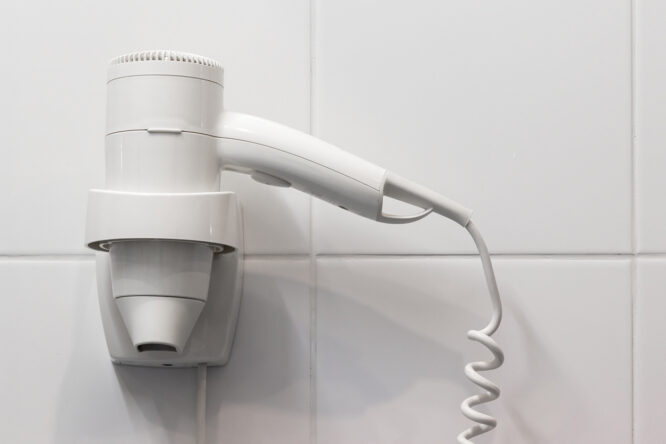
The handle might get wiped but the nozzle and internal vents rarely do, which is where dust, hair, and sometimes mould can collect. Housekeepers suggest wiping it down with a disinfectant cloth and running it for a few seconds before pointing it at your face if you’re going to use it. Packing a small travel dryer of your own is the most straightforward solution if you have the room in your bag.
The minibar fridge interior
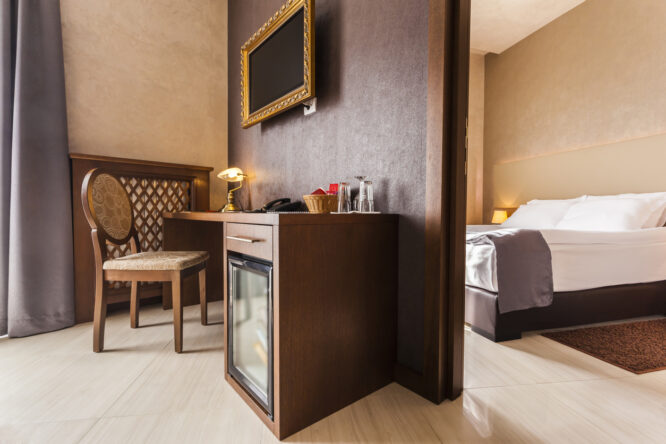
The drinks and snacks inside are sealed so they’re fine, but the surfaces of the fridge itself are a different story. Restocking staff replace items but don’t necessarily clean the interior, and sticky spills and crumbs can sit there for months. Guests also store medication and leftovers in minibars, which introduces its own issues. If you’re putting anything of your own inside, it’s worth wiping the shelves first.
The in-room Wi-Fi without a VPN
Hotel Wi-Fi networks are convenient, but they’re not secure, and using one without any protection while doing anything sensitive online is a risk worth taking seriously. Logging into banking, entering payment details, or accessing work accounts on an unsecured hotel network is something security experts consistently advise against. Using a VPN is the straightforward fix, and plenty of free options exist if you don’t already have one set up.
The tap water for drinking
This varies by location, but it’s worth being cautious regardless. Most UK hotels are fine, but water quality in hotel rooms internationally is less predictable, partly because of how long water can sit in pipes that aren’t used consistently. If you’re travelling abroad, sticking to bottled water for drinking is the safer habit, even in countries where tap water is generally considered drinkable.
The in-room safe without checking it first
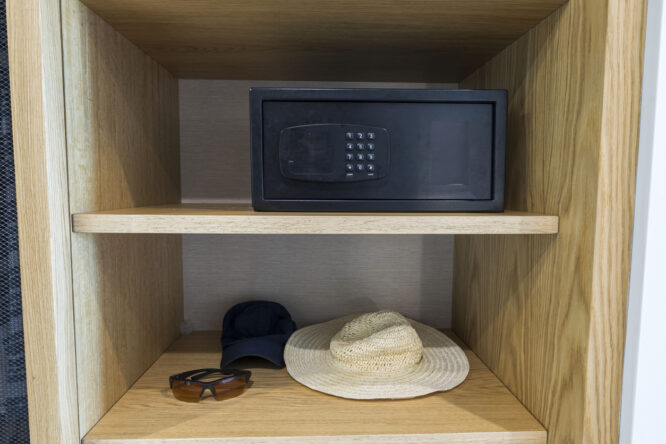
The safe exists for a reason and using it for valuables like passports, cash, and electronics is good practice. What’s less obvious is that it’s worth testing it properly on arrival rather than trusting it’s working correctly. Staff have mentioned guests who assumed valuables were secured only to find the safe hadn’t locked properly. Setting your own code rather than using any default code that might be printed nearby is also worth doing as a basic precaution.