Using a credit card abroad used to be a surefire way to get stung by hidden fees, but these days, it’s actually one of the smartest ways to handle your holiday cash if you know the ground rules.
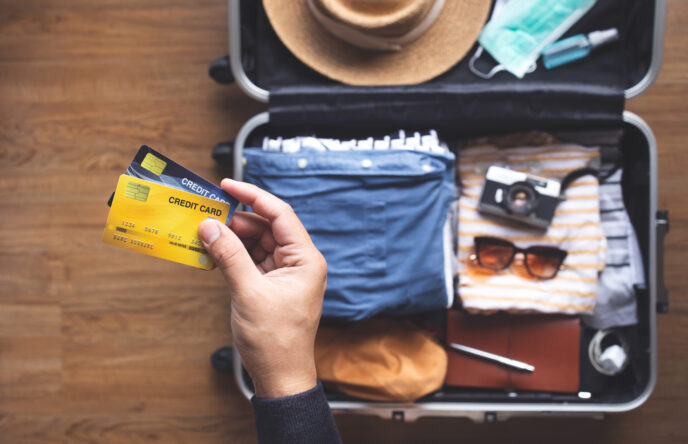
Between the added legal protection you get on bigger purchases and the rise of specialist travel cards that don’t charge you for the privilege of spending in a different timezone, the old “cash is king” mantra is well and truly dead. However, if you’re still using your standard high-street card or falling for the “pay in pounds” trap at the checkout, you’re essentially handing over 3% of your holiday budget to the banks for no reason.
It’s not just which plastic you carry that matters; it’s dodging the sneaky DCC (Dynamic Currency Conversion) prompts and knowing when to use a debit card instead to avoid getting hammered by interest on a simple ATM withdrawal. Here’s how to use your credit card like a pro so you’re spending your money on your trip, not on avoidable banking fees.
Do I actually need a specialist travel card?

Not everyone does, but if you’re travelling regularly or spending a reasonable amount while you’re away, having the right card makes a genuine difference. Standard credit and debit cards typically add a fee of around 3% on top of every overseas transaction, which quietly adds up across a two-week holiday without you ever noticing it happening.
Specialist travel cards don’t add that fee, meaning you get the same near-perfect exchange rate the bank gets, with nothing bolted on top. It’s one of those situations where having the right tool for the job costs you nothing but saves you a fair bit.
Should I pay in pounds or the local currency when asked?

Always choose the local currency. When a card machine, ATM, or hotel asks whether you’d like to pay in pounds, it’s offering to do the currency conversion itself rather than letting your card do it. That sounds convenient, but the rates merchants use are almost always poor compared to what your card would give you.
If you’ve got a specialist travel card, your card’s exchange rate is essentially unbeatable, so there’s no reason to hand that advantage over to a retailer. Even with a standard card, it’s usually better to stick with the local currency, so make it a habit to always decline the pounds option.
Is it cheaper to spend on card or take cash out?

Spending on card is almost always the cheaper option, whichever card you’re using. Even on specialist travel credit cards that don’t charge withdrawal fees, interest on cash withdrawals typically starts building from the moment you take the money out and keeps going until you pay the balance off in full.
On standard cards, it’s worse still, since you’ll pay both a withdrawal fee and interest on top of the non-sterling transaction fee. Debit cards are slightly more straightforward since there’s no interest, but most still charge a fee for using overseas ATMs. The general rule is to use your card for purchases wherever you can, and treat cash as a backup rather than the default.
Which is better abroad, a credit card or a debit card?

For most people, a specialist travel credit card is the stronger choice, provided you pay it off in full every month without fail. Credit cards give you Section 75 protection on purchases, which means if something goes wrong with a purchase over £100, your card provider shares legal responsibility with the retailer. Debit cards don’t offer that, though they do have chargeback protection, which is still useful if something goes wrong.
The practical difference matters most if you’re booking hotels or hiring a car, since many providers place a large temporary hold on your card for security. That hold ties up real money on a debit card, whereas on a credit card, it comes out of your credit limit and doesn’t touch your bank balance at all.
Will getting a travel credit card affect my credit score?

Applying for one will involve a hard credit check, which can temporarily nudge your score down a little. That’s normal, and the effect is usually short-lived. Using the card responsibly once you have it, keeping the balance low and paying it off in full each month, actually tends to help your score over time rather than harm it. Debit cards and prepaid travel cards don’t involve any credit check at all, so if you’d rather avoid the application process entirely, those are worth looking at instead.
Do I need to tell my bank before I travel?

Most banks say you don’t need to anymore, but it’s still worth letting yours know if the option is there, particularly if you’re going somewhere unusual or for an extended period. Overseas transactions can sometimes look like fraud to an automated system, and having your card blocked while you’re away is genuinely stressful to sort out remotely.
Checking in with your bank or registering your trip through their app takes a couple of minutes and removes that risk. It’s also worth making sure any direct debit set up to pay your card is still active, since some banks mark them as inactive if a card hasn’t been used for over a year.
What happens if I lose my card abroad?

All card providers have round-the-clock lines to freeze a lost or stolen card, so that part is fairly straightforward. The harder bit is getting a replacement quickly. App-based banks and some debit card providers will only post a new card to your UK address, which leaves you in a difficult position if you’re mid-trip. Some credit card providers will courier an emergency replacement internationally, but it’s not guaranteed.
The most sensible approach is to travel with at least two cards from different providers so that losing one doesn’t leave you without access to money. Keeping a small amount of local currency as a backup is worth doing too.
Are there limits on how much cash I can withdraw abroad?
Yes, and it’s worth checking before you go rather than discovering it at an ATM when you need money quickly. Many fee-free debit cards cap daily withdrawals at around £300 and monthly withdrawals at £1,500, which is fine for most trips but worth knowing about.
Credit cards generally allow larger withdrawals, but interest starts immediately, unless you have one of the rare cards that offers interest-free overseas cash withdrawals. On top of that, since Brexit more overseas ATMs have started adding their own charges for withdrawals regardless of your card, so it pays to look for ATMs run by banks rather than independent machines wherever possible.
Is it better to get cash before I travel or when I’m there?

If you’re planning to use a specialist travel card for cash withdrawals, waiting until you arrive will generally get you a better rate than exchanging at home. If you’re using a standard card or converting cash in advance, there’s no guarantee the rate abroad will be better, and changing money at a hotel is almost always a bad deal. Getting your travel money sorted before you leave through a proper currency comparison tool tends to be the safer option if you know you’ll want cash to hand on arrival.