What does it mean to be truly happy? Well, that depends on who you ask and where they’re from.

The World Happiness Report 2026 has been released, and it gives a clear snapshot of how people are feeling across the world right now. While some countries continue to rank highly year after year, others are seeing noticeable changes, especially among younger people. The report looks at more than just income, focusing on things like health, trust, social support and day-to-day life, which together paint a more realistic picture of what actually makes people feel happy.
The same countries continue to rank at the top.
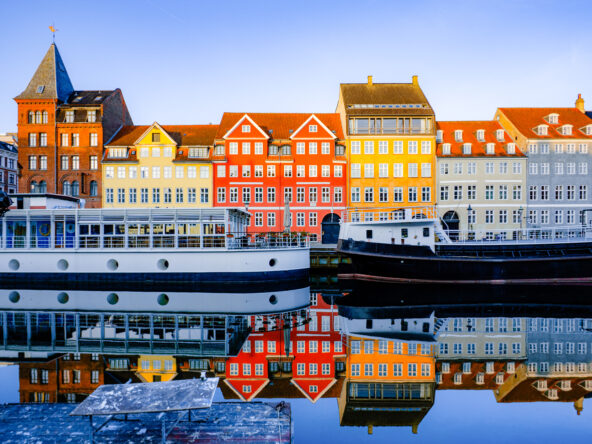
Finland has once again been named the happiest country in the world, continuing a long run at number one. It’s followed closely by other Nordic countries like Denmark, Iceland and Sweden, which regularly appear near the top of the list. These countries tend to share similar strengths. People report high levels of trust in government, strong public services, and a good work-life balance. There’s also a sense that society is fair, which seems to play a big role in how people rate their overall life satisfaction.
Happiness is measured using more than just money.

The rankings are based on several key factors, not just wealth. These include life expectancy, income levels, freedom to make life choices, social support, generosity and how much people trust institutions. That’s why some countries with lower average incomes can still rank highly. If people feel supported, safe and connected to others, they often report higher happiness than those in wealthier but more disconnected societies.
Some countries are climbing faster than expected.

Countries like Costa Rica and Mexico have climbed higher in recent rankings, surprising many people who assume happiness is closely tied to wealth or economic power. What stands out in these places is the importance of family life, community, and social interaction. People tend to spend more time together and rely on each other more, which has a strong impact on how satisfied they feel with life.
Younger people are becoming less happy in some regions.

One of the more concerning trends in the 2026 report is the drop in happiness among younger people in certain countries, particularly in English-speaking nations. While older generations are reporting fairly stable levels of wellbeing, younger people are more likely to feel uncertain about their future. Rising living costs, housing pressures and job insecurity all seem to be playing a part in the change.
Perhaps unsurprisingly, social media is being linked to lower well-being.

The report highlights growing concerns around how social media use may be affecting happiness, especially for younger people. It’s not just about being online, but how it’s being used. Constant comparison, unrealistic expectations, and spending less time in real-world social situations can all contribute to lower life satisfaction over time. This has become an increasing focus in recent years.
The UK sits somewhere in the middle.

The UK still ranks relatively well overall, but it doesn’t reach the levels seen in the happiest countries. While quality of life remains high in many areas, there are signs of pressure, particularly among younger adults. Cost of living increases, housing affordability and general uncertainty about the future all seem to be affecting how people feel about their lives, even if basic living standards remain strong.
Trust and stability play a bigger role than people think.

One of the strongest patterns across the report is how important trust is. Countries where people trust each other, their government and public systems tend to report higher levels of happiness. Feeling safe, supported and confident that things will work as expected has a huge impact on everyday wellbeing, even more than income alone in many cases.
Everyday life matters more than big achievements.

The report suggests that happiness is less about major milestones and more about how people feel day to day. Small things like routine, relationships, and feeling part of a community all play a big role. People who feel connected and supported in their daily lives tend to rate their happiness much higher than those who feel isolated, even if they are financially comfortable.
The gap between countries is becoming clearer.

There’s a growing divide between countries that are improving and those that are struggling. Some are finding ways to support wellbeing more effectively, while others are seeing a decline. The gap isn’t just about money or development. It often comes down to how connected people feel, how supported they are, and how stable their lives seem.
What people can take from this

The biggest takeaway from the report is that happiness isn’t just about having more. It’s about feeling secure, connected and able to manage everyday life without constant stress. While governments and systems play a role, many of the factors that influence happiness come down to daily habits, relationships and how supported people feel in their own environment.