Standing in the supermarket aisle and staring at the total on the self-checkout screen has become a bit of a grim ritual lately.

It feels like every time you go in for just a few bits, you’re walking out £40 lighter and with half the bags you used to have. Most of us just sigh and put it down to the way things are now, but there are actually some really easy ways to claw a bit of that cash back without feeling like you’re living on cardboard and water.
You don’t have to be a total miser or cut out everything you actually enjoy eating; it’s more about being a bit more savvy with what you’re chucking in the trolley and realising that the fancy version of a product is often just the same stuff in a prettier box. If you can get past the branding and make a few quick switches, you’ll probably find you’ve saved enough for a decent takeaway by the end of the month.
Chicken thighs instead of chicken breasts
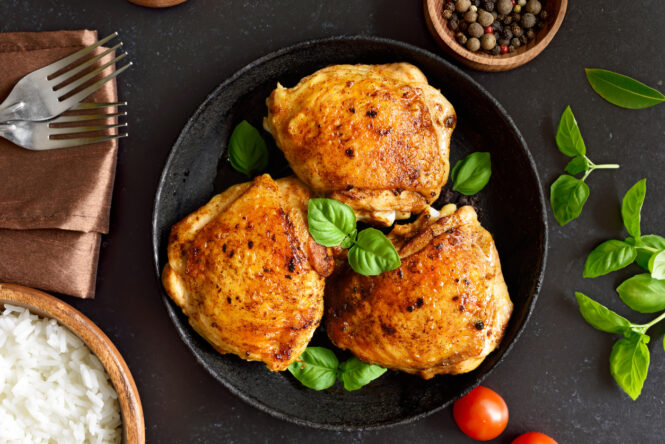
Chicken breasts are consistently one of the pricier cuts at the meat counter, and yet thighs do exactly the same job in almost every recipe and cost noticeably less per kilogram. They’re also harder to overcook, which means they tend to turn out better in curries, tray bakes and slow-cooked dishes.
Many people who make the switch find they actually prefer the flavour, which is richer and more forgiving than breast meat. If you’re buying for a family and going through chicken regularly, this one swap alone can add up to a meaningful saving over the course of a month.
Frozen fruit and veg instead of fresh

Fresh berries in particular are expensive all year round in UK supermarkets, especially outside of summer. The frozen versions are picked and frozen at peak ripeness, which means the nutritional value is comparable and often better than fresh produce that’s been sitting in cold storage and on a shelf for days.
A bag of frozen raspberries, blueberries, or spinach costs a fraction of the equivalent fresh weight, lasts far longer, and works perfectly well in smoothies, porridge, soups and sauces. Frozen broccoli, sweet corn and mixed vegetables are similarly good value and eliminate the problem of fresh veg going soft at the back of the fridge before you’ve had a chance to use it.
Own-brand cheddar instead of Cathedral City
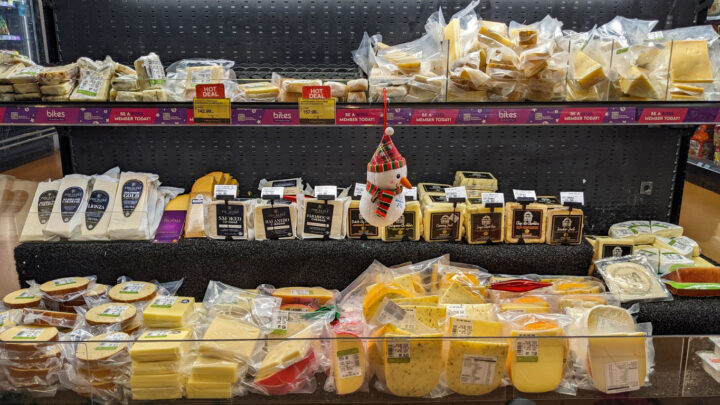
This is one of the most significant swaps you can make, and research published in early 2026 found that households could save over £237 a year simply by switching from branded cheddar to a supermarket own-label version. A 350g block of Cathedral City Mature Cheddar works out at around £10.71 per kilogram, while Morrisons’ own mature cheddar comes in at around £5.42 per kilogram for essentially the same product.
The same principle applies to own-brand bread, where a four-person household could save around £156 annually by switching away from branded loaves. Supermarket own-brand versions of everyday staples are now so widely eaten that over half of all UK grocery purchases are own-label products.
Porridge oats instead of branded breakfast cereals
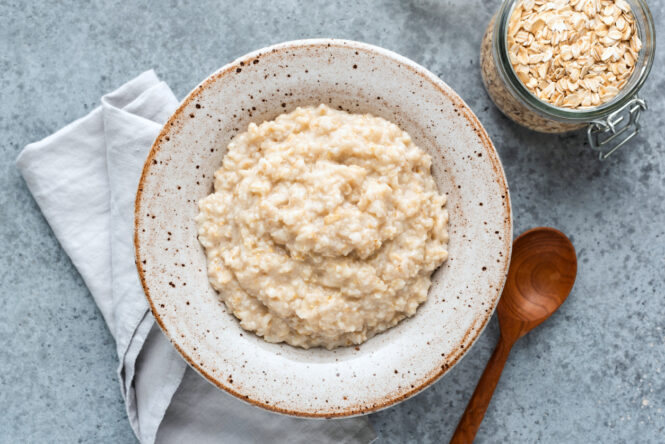
Branded cereals are one of the more expensive items in the breakfast aisle relative to what you actually get. A bag of plain porridge oats from any UK supermarket costs very little, provides a significantly larger number of portions, and keeps you fuller for longer than most cereals.
Oats are also genuinely versatile; you can add frozen fruit, a spoonful of peanut butter, honey, banana or whatever you have to hand, which means they don’t get boring. Switching the whole household to porridge for weekday breakfasts is one of the faster ways to notice a difference in your weekly spend.
Tinned fish instead of fresh
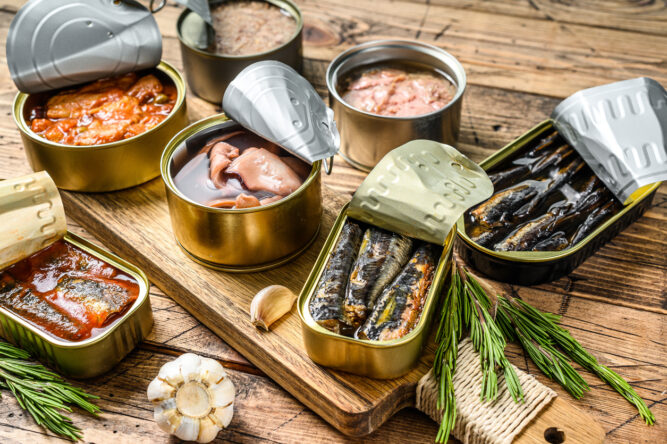
Fresh salmon and tuna fillets are expensive, and the price has risen sharply in recent years. Tinned fish, on the other hand, is one of the most overlooked sources of affordable protein in UK supermarkets. Tinned mackerel, sardines, salmon, and tuna are high in omega-3, genuinely nutritious, and cost a fraction of their fresh equivalents.
Tinned mackerel in particular is consistently one of the cheapest options on the shelf and works well in pasta, on toast, in salads and stirred through rice dishes. If fish feels like a luxury at the moment, tinned versions are the practical way to keep it in your diet without the cost.
Dried pulses instead of tinned
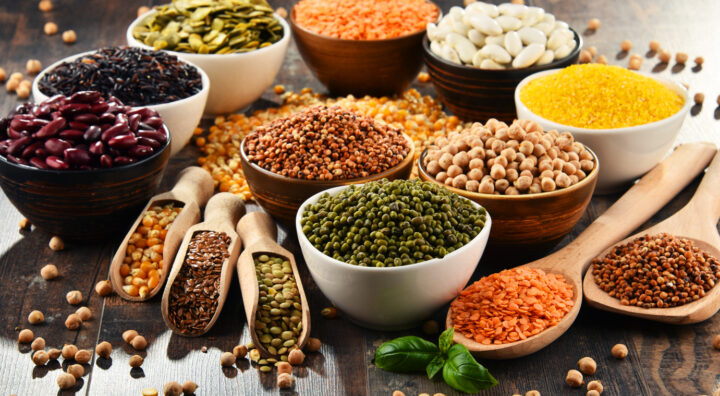
Tinned chickpeas, kidney beans and lentils are convenient and reasonably priced, but dried versions are considerably cheaper per portion and last almost indefinitely in a cupboard. A bag of dried red lentils from any UK supermarket costs very little and produces loads of portions, making it one of the best value ingredients available.
They do require a bit of forward planning, as some need soaking overnight, but lentils in particular cook relatively quickly without soaking and bulk out soups, stews and curries significantly. Replacing even one or two tinned portions per week with dried equivalents adds up over time.
Spices from the world food aisle instead of the main aisle
This is one of the lesser-known tips, but consumer experts consistently mention it. The same cumin, turmeric, coriander, and chilli flakes that cost £1.50 to £2 in a small branded jar in the main spices section of most UK supermarkets are available in much larger bags in the world food aisle for a similar or lower price. The product is often identical.
Buying spices this way means you’re paying for the seasoning rather than the packaging, and because you’re getting considerably more, it lasts much longer. If you cook regularly with spices, the difference in annual cost is surprisingly large.
A whole chicken instead of individual cuts
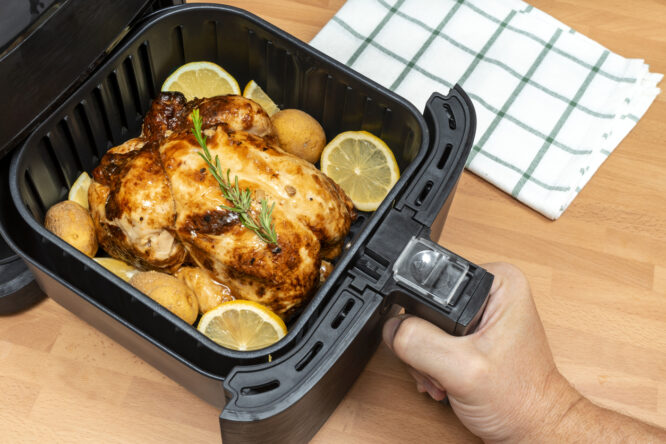
Buying a whole chicken and jointing it at home sounds like more effort than it is, and the savings are significant. When you break down the cost of buying individual cuts against the price of a whole bird, the difference is considerable. A whole chicken from a UK supermarket gives you multiple meals: the chicken breasts for one dish, the legs and thighs for another, and the carcass to make a stock that forms the base of a soup or risotto.
You’re essentially paying once and getting three or four uses out of it, which is one of the most efficient ways to keep the meat budget down.
Own-brand tinned tomatoes and passata instead of jarred pasta sauces
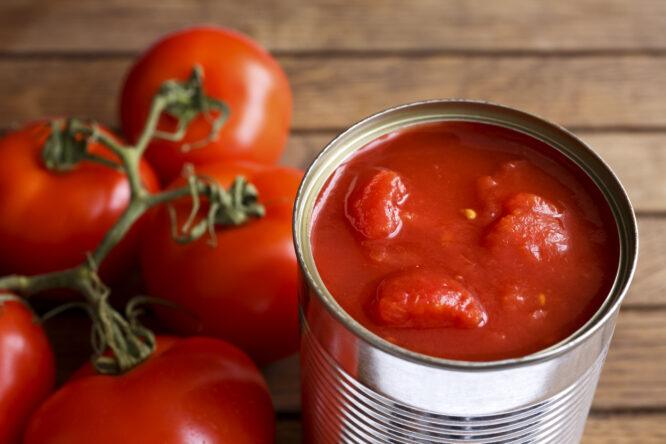
Jarred pasta sauces are one of the easiest things to stop buying once you realise how little it costs to make something better. A tin of own-brand chopped tomatoes, which costs around 30 to 40p in most UK supermarkets, combined with a bit of garlic, dried herbs, and olive oil produces a sauce that’s genuinely superior to most jars and takes 10 minutes. Own-brand passata is similarly inexpensive and even quicker to use. The jarred sauces are almost entirely water and tomato with a significant mark-up for the convenience and the branding, and it’s one of the swaps that feels immediately worth it.
Switching down one brand level across the board

Money Saving Expert has long advocated what it calls the Downshift Challenge, or dropping one brand level on your usual purchases and seeing whether you notice the difference. If you normally buy premium own-brand, try the standard own-brand. If you normally buy standard own-brand, try the value range.
Research consistently shows that savings of around 30% are typical when making this switch across regular items, and for most everyday products the difference in quality is either minimal or undetectable once the food is cooked. Doing this across even half your weekly shop could save hundreds of pounds over the course of a year, which for most UK households represents a meaningful reduction in one of their biggest regular outgoings.