Most of us only replace things in our kitchen when they completely break, melt, or snap in half.

We hang onto worn-out wooden spoons, scratched non-stick pans, and stained plastic chopping boards for years, assuming a quick scrub with some washing-up liquid makes them perfectly safe to use again. However, food experts say that using these everyday tools long past their prime does a number on your kitchen hygiene.
Over time, tiny microscopic grooves and cracks open up in the material, creating the ultimate breeding ground for nasty bacteria that no amount of hot water can actually reach. Before you whip up your next meal, have a look at your cupboards because a lot of your favourite cooking gear is probably way past its use-by date and needs throwing straight in the bin.
Your kitchen sponge needs to go far sooner than you think.
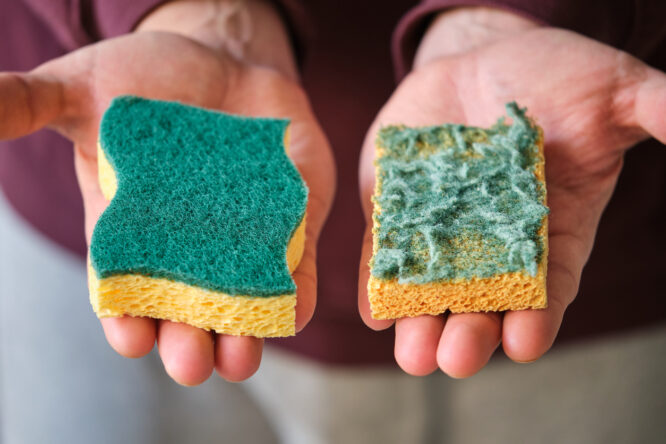
Sponges are among the most bacteria-laden items in any home, and the reason is straightforward. Their porous structure traps moisture, food residue, and bacteria in a way that’s almost impossible to fully clean out, and even regular sanitising only goes so far before the material itself starts to break down. Food scientists recommend replacing kitchen sponges every couple of weeks rather than waiting until they look obviously worn out because by the time they look bad they’ve already been a bacteria breeding ground for a while.
Dishcloths are more durable and can last up to three months before needing to be replaced, but they need to be washed frequently between uses rather than left damp on the side. If a cloth or sponge smells off even after washing, that’s a clear sign it needs to go. The smell comes from bacterial growth that washing hasn’t managed to clear, and no amount of rinsing is going to fix that.
Cutting boards need replacing more often than most people realise.

Plastic cutting boards should be replaced every couple of months because the knife marks that build up over time create grooves that are genuinely difficult to clean, and those grooves trap bacteria from raw meat, fish, and other foods. Ideally, you’d have separate boards for raw and ready-to-eat foods to reduce the risk of cross-contamination, which also means each board gets used less and lasts slightly longer. Bamboo boards hold up better due to natural bacterial resistance and can last one to two years with decent care.
Wooden spoons and utensils fall into a similar category. They last around two to five years on average but should be replaced sooner if cracks appear because cracks are impossible to clean thoroughly and become a reliable hiding place for bacteria and old food residue. Running your finger along the surface of a wooden spoon is a quick way to check. If it feels rough, or you can feel cracks starting to form, it’s done.
Nonstick pans should go the moment they start showing scratches.

Nonstick cookware can last several years when looked after well, but the moment visible scratches or chipping appear, it’s time to replace it. Scratches don’t just affect the non-stick performance, they allow debris and residue from the coating itself to transfer into food during cooking. That’s not something you want to be eating, and it’s also a sign the pan isn’t going to cook food evenly or reliably anymore.
Beyond visible damage, a nonstick pan that’s stopped actually being non-stick has reached the end of its useful life, regardless of how it looks. Food sticking to a pan that’s supposed to prevent that is frustrating to cook with and usually means the coating has deteriorated to the point where replacement is the only sensible option. Using metal utensils on nonstick surfaces is one of the fastest ways to bring that point forward, so sticking to wooden or silicone utensils extends the life considerably.
Plastic food containers degrade gradually rather than all at once.
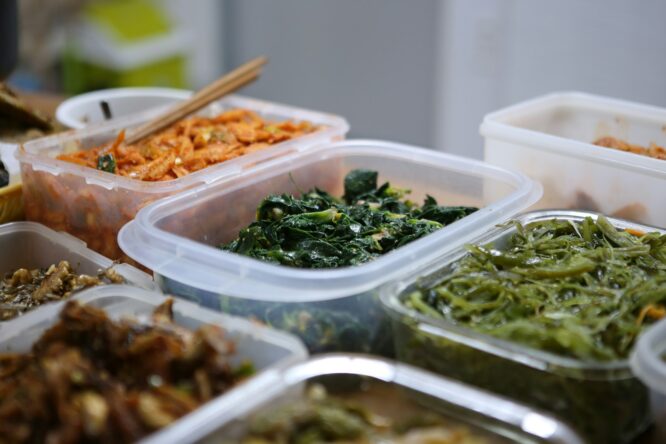
Plastic containers don’t usually fail in one obvious moment. Instead, they degrade slowly through staining, warping, odour retention, and micro-cracking, and by the time the surface feels rough or distorted it’s already harder to clean properly than it should be. Once the interior surface of a container is no longer smooth, bacteria and food residue can embed themselves in a way that washing doesn’t fully address. Containers repurposed from takeaway orders tend to reach this point faster because they weren’t designed for repeated use.
A container that smells of old food even after being washed, that has visible warping from being put in a dishwasher or microwave, or that has developed a rough interior texture is ready to be replaced. How long that takes varies from six months to several years depending on how the container is used, but the signs of deterioration are usually clear enough if you know what to look for.
Kitchen towels and dish brushes have a shorter lifespan than most people assume.
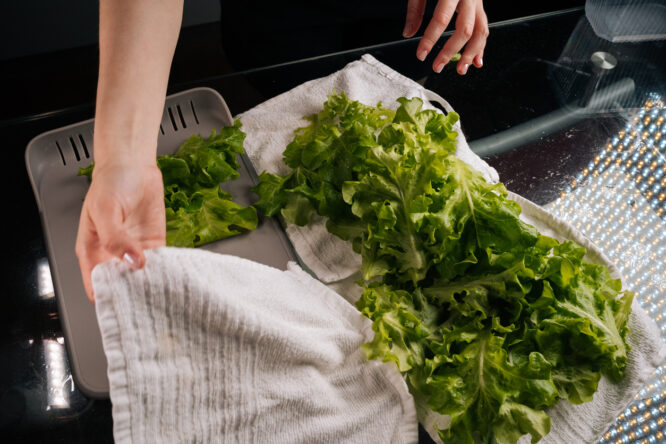
Kitchen towels should be washed at least once a week if they’re used only for drying clean dishes, and more frequently if they’re also being used for drying hands or wiping surfaces. After a couple of years, they should be replaced, with fraying fabric being one of the clearest indicators that the material has broken down enough to no longer do the job well. Smell is also a reliable guide here. A towel that smells off even after washing hasn’t been drying out between uses and is likely carrying bacteria.
Dish brushes follow a similar pattern to toothbrushes. Once the bristles are flattened and the cleaning power has visibly dropped off, the brush needs replacing, which can happen in as little as three months with daily use. Musty smells and retained dampness are signs that bacterial growth is already present. Scrubbers with rougher textures last a bit longer than soft sponges, but the advice is the same across all of them: replace before they start falling apart, rather than after.
How you look after these things determines how long they last.

The single most important thing you can do to extend the life of kitchen tools is to let them dry completely after washing. Moisture left in sponges, on dish brushes, in the fibres of kitchen towels, and on wooden utensils and cutting boards is what accelerates bacterial growth and material breakdown faster than almost anything else. Wringing out sponges, spreading towels to air-dry, and standing brushes bristle-side up after use all make a meaningful difference over time.
For wooden items specifically, hand-washing rather than putting them in the dishwasher prevents the warping and cracking that hot water and harsh dishwasher detergent causes. Treating wooden boards and utensils with food-safe mineral oil occasionally keeps the wood from drying out and developing cracks. Using items as the manufacturer intended rather than improvising, keeping metal utensils away from nonstick surfaces being the most common example, is also one of the simplest ways to avoid shortening their lifespan unnecessarily.
Buying multiples of the same item is one of the smartest things you can do.
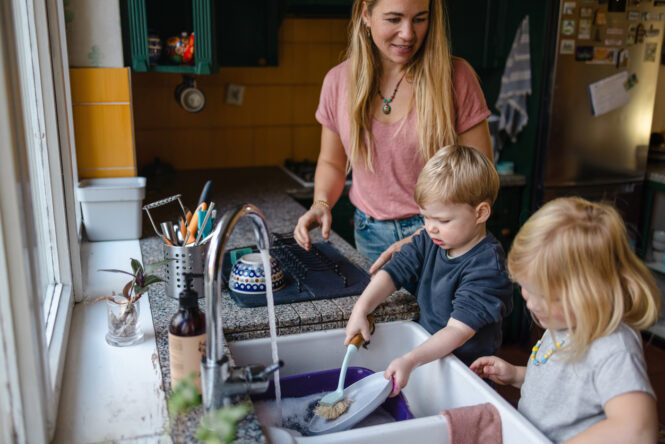
Rather than running one cutting board or dish brush into the ground through constant use, having two or three of the same item and rotating between them spreads the wear out and extends how long each one lasts. The same logic applies to kitchen towels, where having a few on rotation means each one gets washed and dried thoroughly between uses, rather than being grabbed damp and put back to work immediately.
It doesn’t have to be expensive. A couple of extra sponges, a second cutting board, or a spare dish brush costs very little and can make a noticeable difference to both hygiene and how often you need to replace things. The goal isn’t to have a kitchen full of duplicates, but to avoid the situation where one overused item becomes a source of bacteria simply because there was nothing else to hand.