For most pet owners, life with a furry companion is an emotional journey.

The highs are wonderful, from the wagging tail at the door to the warm body curled up beside you on the sofa. But there’s a side of pet ownership that hardly anyone talks about, the stress, guilt, and anxiety that come with caring for an animal who can’t tell you what’s wrong. New research and growing awareness are starting to bring this side of pet ownership out into the open, and acknowledging it could make a real difference to millions of people. Here’s the honest picture.
Pets are genuinely good for us in many different ways.

Let’s start with the part everyone agrees on. Pets, especially dogs and cats, have a positive impact on our wellbeing. They provide constant companionship, which is particularly meaningful for older adults, people living alone, and anyone going through tough times. Research has consistently shown that pet ownership is linked with reduced stress, lower anxiety levels and a stronger sense of purpose in daily life.
The pandemic years saw a major surge in pet adoptions, and many people credited their new dogs and cats with helping them get through long periods of isolation. Pets can also boost your social life in ways you wouldn’t expect, from chats with other dog walkers in the park, to running into the same neighbours each morning. Animal-assisted therapy has even been used to help people with anxiety, trauma, autism, and a range of other conditions.
However, having an animal comes with hidden stress that nobody talks about.
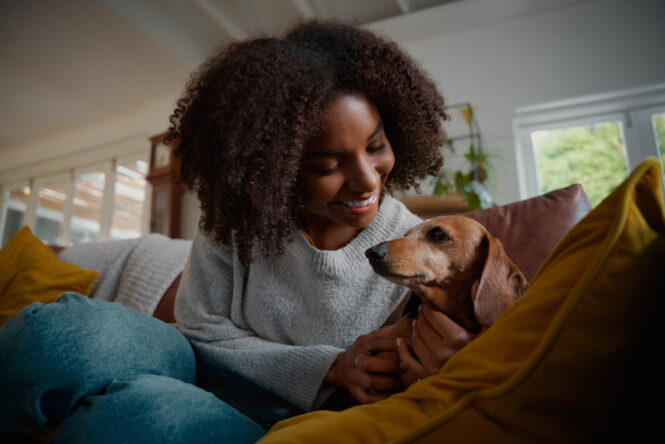
For all the joy pets bring, they also bring a level of stress that doesn’t get nearly enough attention. Looking after another living being is genuinely hard work, even when you adore them. There’s the daily reality of feeding, walking, cleaning up after them, fitting your life around their needs, and dealing with the inevitable little crises that come up.
One recent survey found that around half of pet owners experience separation anxiety when leaving their dog at home alone, and 41% had turned down social invitations because they didn’t want to leave their pet. Around 70% said they’d prefer to work from home so they could be near their animal. Those are pretty striking numbers, and they show how much pets shape the lives of the humans who care for them.
The guilt that comes with leaving them can be overwhelming.

If you’ve ever felt a pang of guilt closing the front door behind you while your dog watches mournfully from the hallway, you’re not alone. Many pet owners report feelings of guilt that can be surprisingly similar to what parents feel when leaving their children. The worry that your pet is bored, anxious or lonely while you’re at work can sit in the back of your mind all day.
Some of this guilt is rooted in genuine love, and some of it comes from a wider culture that tells us our pets are entirely dependent on us for their happiness. Either way, it can become exhausting, especially when friends or colleagues dismiss those feelings as silly. For people whose pets have particular needs, like anxiety, illness or behavioural issues, the guilt can multiply quickly.
The financial worry tends to take its toll as well.
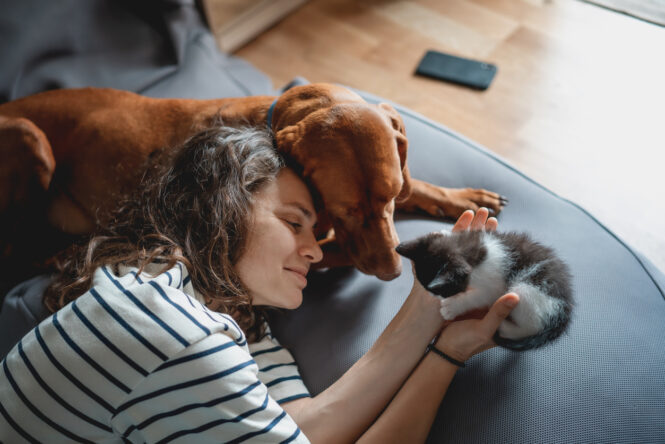
The cost of owning a pet has crept up dramatically in recent years, and this is one of the biggest stresses people face. Vet bills can be eye-watering, especially in an emergency. Pet insurance, food, grooming, boarding, training and accessories all add up to a meaningful chunk of monthly spending. For households already squeezed by the cost of living, this can quickly become genuinely difficult.
The worst-case scenario, of course, is being unable to afford treatment your pet desperately needs. Many owners have faced agonising decisions because of cost, and the emotional toll of that is hard to overstate. Even routine expenses like food and flea treatments can build up over the years, and the financial reality of pet ownership often catches new owners off guard.
Reactive dogs can cause a sense of silent shame.

One particular kind of stress that gets very little airtime is the experience of owning a reactive dog. These are dogs who bark, lunge or react aggressively when they see other dogs, people, cars, or anything else that sets them off. Walking a reactive dog can feel like running a daily gauntlet of judgement, and owners often describe feeling embarrassed, isolated, and exhausted.
The shame around having a reactive dog runs deep, even though it’s usually nothing to do with bad ownership. Some dogs come with traumatic backgrounds, others with anxious temperaments, and plenty have specific triggers that can’t be quickly trained away. Owners of reactive dogs often avoid busy parks, dread visitors, and feel constantly on edge when out in public. The judgement from other dog owners, who sometimes don’t understand, makes the experience even harder.
There’s also the grief that nobody quite understands.
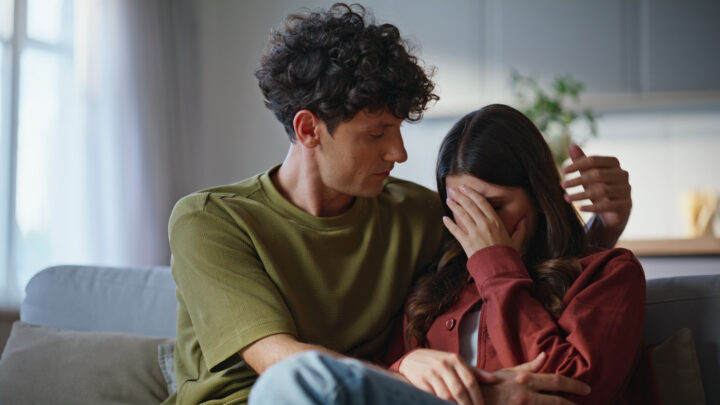
Perhaps the most difficult truth of pet ownership is that pets simply don’t live as long as we do. End-of-life decisions, expensive treatments for older-age illnesses, and eventually saying goodbye are all part of the deal when you take an animal into your home. For many people, the grief of losing a pet is just as raw as the grief of losing a human loved one.
What makes pet grief particularly hard is that it’s often not truly acknowledged by society. Some people might mutter that it’s “only a dog” or expect you to be over it within a few days. That sort of dismissed sorrow even has a name, disenfranchised grief, which describes a loss that isn’t socially validated. People grieving a pet often feel they can’t talk openly about how much they’re hurting, which only deepens the pain.
Separation anxiety hits both ends of the lead.
Separation anxiety is often talked about as something the dog feels, but the truth is that humans experience it just as strongly. Many owners describe checking pet cameras throughout the day at work, feeling nervous all evening if they’re out for dinner, and rushing home from social events to make sure everyone is okay. It can limit your life in ways you don’t notice until you stop and think about it.
The trick is finding a balance between caring for your pet and looking after yourself. Plenty of pets cope perfectly well with being left for reasonable stretches of time, especially when they’ve got plenty of enrichment, exercise and a comfortable routine. Building up gradually to short absences when a pet is young, and giving them mental stimulation when you’re out, can help both of you settle into a healthier rhythm.
What helps when the stress gets too much?

Acknowledging that pet ownership can be stressful is the first step in dealing with it. Talking honestly to fellow pet owners, especially those with similar experiences, can be a huge relief. Online communities, training classes and local dog walking groups are all good places to find people who really get it. A vet or animal behaviourist can also help with specific issues, whether that’s a reactive dog, an anxious cat or a pet with health problems.
When you’re feeling overwhelmed, it’s worth being kind to yourself rather than chasing the impossible standard of being the “perfect” pet owner. Pets don’t need perfection, they need patience, consistency, and care. Practising a bit of self-compassion, focusing on the time you do have with your pet rather than the time you don’t, and allowing yourself to feel both the joys and the burdens of pet ownership can make a real difference.
Employers and friends should take this seriously.

There’s also a wider point about how society treats pet ownership. Many people would feel less stressed if work was more flexible around pets, with hybrid or remote options where possible. Friends and family can help by listening properly when someone is worried about their animal, rather than brushing it off as a fuss. A bit of validation goes a long way when you’re already feeling anxious or guilty.
It’s important to remember that the bond between a person and their pet is genuinely meaningful. For some people, it’s one of the most important relationships in their life. Honouring that with respect, patience, and compassion makes things easier for the pet owner, and ultimately for the animal too.
The honest reality of life with a pet is complicated, but it’s worth it.
For all the ups and downs, most people who own pets wouldn’t change it for the world. The unconditional love, the daily companionship, the laughter, and the comfort genuinely outweigh the stresses for most owners most of the time. But pretending those stresses don’t exist isn’t fair on the millions of people struggling with them.
The healthiest approach is honesty. Owning a pet is wonderful and hard, sometimes in the same hour. You can adore your dog and still feel exhausted by them. You can love your cat dearly and still cry over the vet bill. Acknowledging both sides isn’t a betrayal of how much you love them, it’s a more truthful picture of what it really means to share your life with an animal. And that honesty might be exactly what makes the whole journey a little easier to handle.