Anyone who’s driven in Britain over the past few years won’t be remotely surprised to hear that the country’s roads are in a poor state.
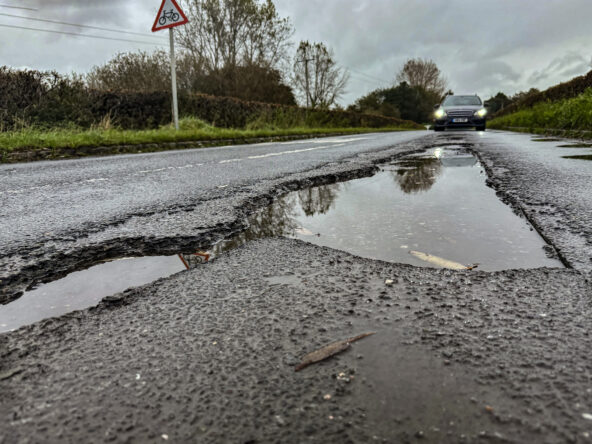
Potholes have become one of the most common gripes among UK drivers, with damaged tyres, broken suspensions and rattled cars now part of everyday life. New government data has just revealed which councils have the worst roads in the country, and which areas have somehow managed to keep theirs in decent shape. Here’s what the figures show, why the problem has got so bad, and what’s actually being done about it.
The county officially named the worst for potholes

Derbyshire has been named the worst council in England for road conditions, according to new government data and analysis. The county received the lowest possible score across all its road types, meaning that whether you’re driving on a major route or a small village lane, the chances of meeting a pothole are extremely high.
Drivers in Derbyshire have been grumbling about the state of the roads for years, but the official confirmation puts the county at the very bottom of the rankings. With more than 5,000 kilometres of road to look after, the local authority faces a genuinely huge job, and the latest figures suggest progress on repairs has been painfully slow.
The London boroughs that scored badly too

London has plenty of representation in the worst ten performers nationally. Richmond upon Thames came second on the overall list, followed by Wandsworth and then Merton. So if you’re a London driver who’s suspected your local roads were worse than average, you may well have been right.
Several other London boroughs scored badly on specific road types. Kensington and Chelsea, Sutton and Waltham Forest all received the lowest possible score for the condition of their smaller B and C roads. The picture across the capital is genuinely mixed, with some boroughs maintaining smoother surfaces while others have allowed the situation to slide noticeably.
The other regions struggling with road conditions

Outside London, several other areas joined Derbyshire at the bottom of the rankings. Bath and North East Somerset, West Northamptonshire and Cambridgeshire all scored poorly on the overall measure. For A roads specifically, which are the main routes linking towns and cities, North Tyneside, Nottingham, and Bristol came out worst after Derbyshire.
For unclassified roads, the smaller routes that handle most local traffic, the picture is even worse. More than 20 local authorities received the lowest possible score on this category, including Kent, Nottinghamshire, and Peterborough. Since around 60 per cent of all UK roads fall into this unclassified category, the figure tells us a worrying amount about the everyday driving experience across the country.
The areas getting it right
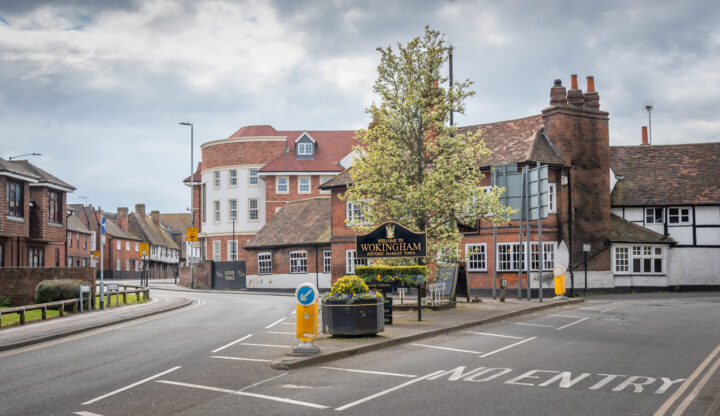
Not every part of the country is in the same state. Portsmouth was ranked the best council in England for overall road condition, with its smaller residential roads performing particularly well. Wokingham and Gloucestershire also stood out as strong performers, showing that with the right approach and investment, decent road conditions are absolutely possible.
What separates the top performers from the bottom is usually a combination of consistent funding long-term planning and regular preventative maintenance rather than reactive patching. Councils that resurface roads when they start to deteriorate, rather than waiting until they’re full of potholes, end up spending less in the long run and giving drivers a far better experience.
How much repair work is actually being done

The data also shows just how little road is being resurfaced in some places. Derbyshire, the worst-rated council in the country, planned to resurface just 11 kilometres of road during the 2025 to 2026 financial year, despite being responsible for over 5,300 kilometres. That’s a tiny fraction of the network being completely fixed each year.
By contrast, Leeds City Council planned to resurface 124 kilometres of road during the same period, even though it’s responsible for far less of the road network at 3,000 kilometres. The difference between these two approaches helps explain why the gap between the best and worst councils keeps widening. Some authorities are investing in long-term repairs, while others are letting the problem build up year after year.
The eye-watering size of the repair backlog
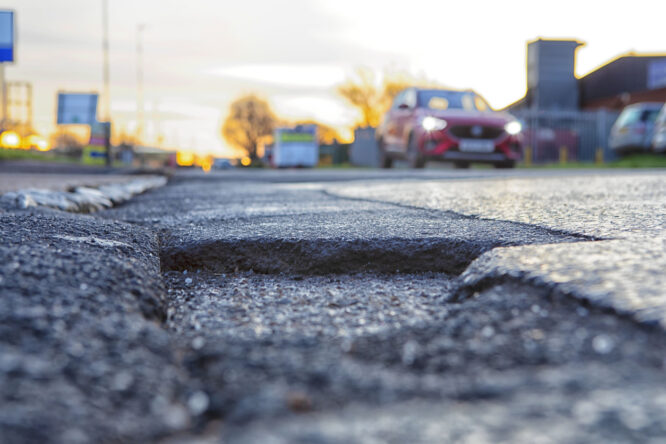
Across England and Wales, local authorities are facing a genuinely vast backlog of road repairs. A recent industry survey put the total figure at £18.62 billion, which would take an estimated 12 years to clear at current rates. That’s despite recent extra funding from the government, which has barely scratched the surface of the problem.
The backlog has built up over more than a decade of underinvestment in road maintenance, combined with rising costs, harsher winters and heavier vehicles. With electric cars, large SUVs and heavy goods vehicles all putting more strain on the road surface than the smaller vehicles of decades past, the wear and tear has accelerated. Catching up will take sustained funding well beyond what’s currently being committed.
The government’s new “transparency report” rule
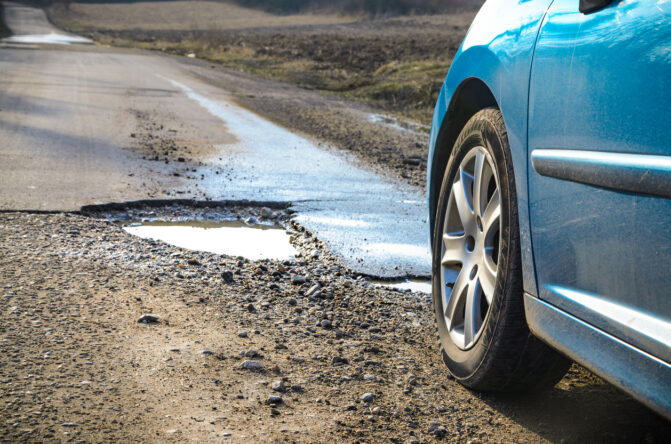
This week, the government announced new measures designed to put pressure on councils to actually deliver on road repairs. Local authorities will now have to publish “transparency reports” showing exactly how well they are repairing roads, with the threat that councils failing to do so could have part of their £7.3 billion central funding held back.
The aim is to give taxpayers a clearer picture of where their money is going and how many roads are being resurfaced. For drivers, it could mean councils being forced to focus more on results and less on excuses. Whether it’ll genuinely move the dial in the worst-performing areas remains to be seen, but the principle of holding councils accountable for the state of their roads has been broadly welcomed.
Why the problem is so hard to solve
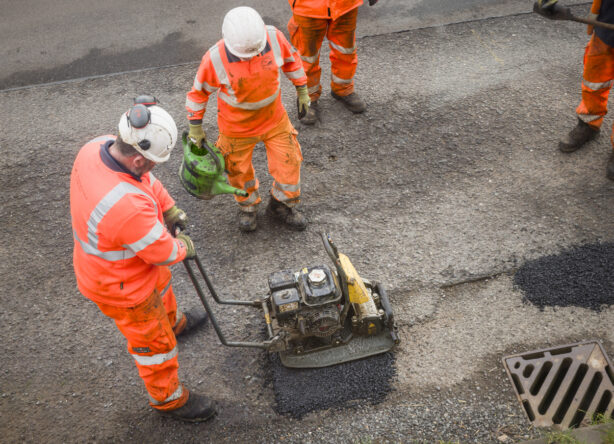
Fixing potholes properly is more complicated than it might look. Simply pouring tarmac into a hole rarely lasts long, particularly through wet British winters, when the water freezes inside any small cracks and forces them open again. A complete repair requires cutting out the damaged area, preparing the base, and laying new surface that bonds with the surrounding road.
Councils also face different challenges depending on their patch. Urban areas have lots of utilities digging up roads constantly, which weakens the surface. Rural areas have miles of country lanes that take huge amounts of agricultural traffic. Coastal authorities face salt damage. Mountain regions deal with extreme weather. So while some councils are clearly underperforming, the variation in conditions makes direct comparisons tricky.
The hidden cost to drivers

For ordinary drivers, the cost of poor roads goes well beyond mild irritation. Hitting a serious pothole at speed can damage tyres, wheels, suspension, steering and tracking, with repair bills running into hundreds or sometimes thousands of pounds. Insurance claims related to pothole damage have soared in recent years, pushing premiums up across the board.
Some drivers have successfully claimed compensation from their local council after suffering pothole damage, though the process is difficult. You usually need to prove the council knew about the pothole and failed to fix it within a reasonable time. Reporting potholes to your council using their online forms creates a paper trail that may help if you later need to claim. Plenty of councils ignore the first report, so it’s worth chasing if your case is serious.
What to do if you spot a serious pothole
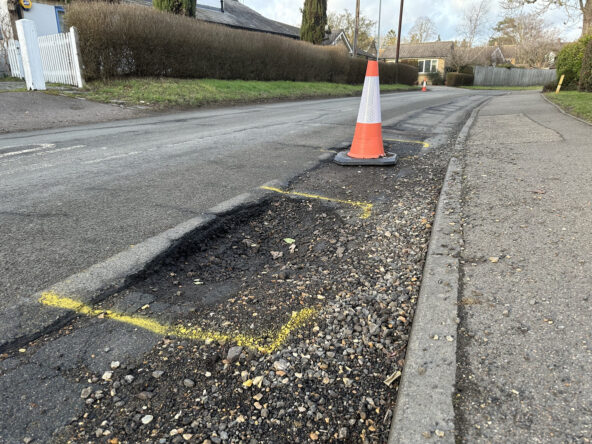
If you come across a pothole that’s dangerous, report it to your local council as soon as possible. Most councils now have a quick online form or app for reporting issues, and you can usually pinpoint the exact location on a map. The more reports a particular pothole gets, the more likely the council is to act on it.
For very dangerous potholes that pose an immediate risk, you can also contact your local police or highways agency directly. If you’ve actually had your car damaged by a pothole, take photos of the damage and the road, note the exact location, and gather any evidence you can. Your council will have a formal process for claiming compensation, though success rates vary widely depending on the area and the specific circumstances.
How drivers can protect themselves
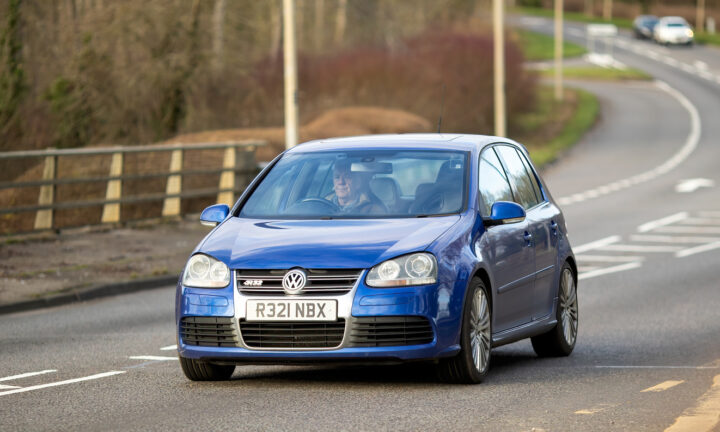
While you can’t fix the roads yourself, a few small habits can help reduce the chances of serious damage. Keep your tyres at the correct pressure, since underinflated tyres are far more likely to be damaged by a pothole hit. Slow down on roads you know are in poor condition, particularly after heavy rain, when standing water can hide deep holes.
Try to leave a sensible gap behind the car in front so you’ve got time to spot and avoid potholes rather than ploughing straight into them. If you can’t avoid one, brake gently before you hit it rather than at the moment of impact, which can actually make the damage worse. And if you do hit a serious pothole, get your wheels, tyres and tracking checked at a garage as soon as possible, since some damage isn’t immediately obvious.