We all know the drill when a proper British heatwave arrives: you shut the curtains, open the windows at night, and try to find any excuse to stand near the supermarket freezer aisle.

But while we’re busy trying to keep ourselves cool, we often forget about the tech and appliances buzzing away around the house. When temperatures start pushing towards those extreme summer highs, our electrical items really struggle because appliances, cables, and kitchen gadgets naturally generate heat when they’re running.
Throw an external heatwave into the mix, and these devices get much hotter, much faster, which isn’t just bad news for the lifespan of your tech; it also ramps up the risk of electrical fires, nasty burns, and scorched worktops. To keep your home safe and save a bit of cash on your electricity bill while you’re at it, you need to know exactly what to turn off at the mains until things cool down.
Hair straighteners and stylers

It’s no secret that hair straighteners, curling tongs, and heated rollers get incredibly hot. They’re designed to reach intense temperatures within seconds to do their job properly, often hitting up to 230 °C. However, if you leave them plugged in after you’ve finished styling, you’re asking for trouble during a heatwave because the ambient temperature in your room is already high, meaning these devices take far longer to cool down naturally.
If left on standby or plugged into the wall, the internal thermostat can get confused by the surrounding heavy air, and the risk of them overheating and damaging your dressing table shoots up dramatically. The plastic casing on older models can even begin to degrade or warp if the unit cannot dissipate its internal heat effectively.
Cooling down your hair tools safely
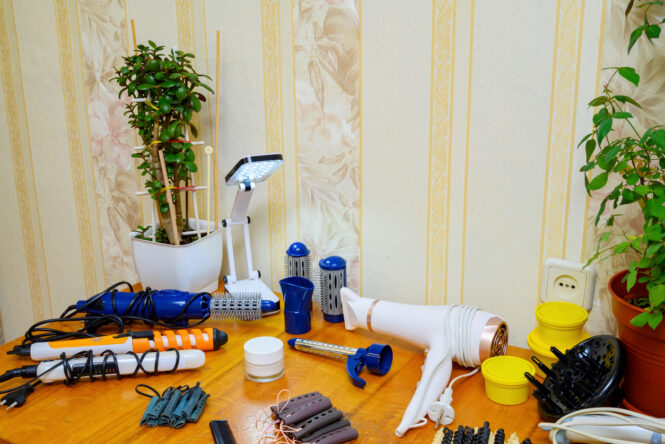
To prevent any accidents, you need to make it a habit to pull the plug from the wall the exact second you finish your hair. Don’t just rely on the power switch on the device itself, as electricity is still flowing to the transformer inside the handle or the cable block. Pop them down on a solid heat-proof mat in a safe place where they can’t touch anything else, and leave them alone until they’re completely cold to the touch.
Never wrap the cord tightly around the plates while they’re still warm either, as this traps the heat right against the rubber insulation, which can melt the protective coating over time and expose live wires.
Phone and tablet chargers
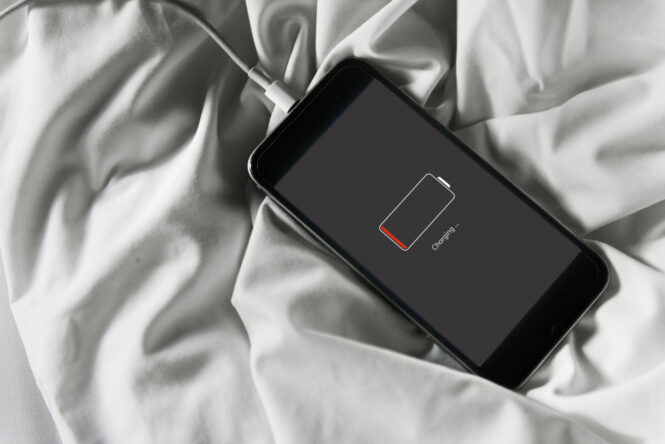
Most of us are guilty of plugging our phones in right next to the bed and letting them charge all night. You’ve probably noticed that your phone and the charging block feel a bit warm to the touch, even on a normal winter evening. During a heatwave, that warmth can quickly turn into severe overheating, which ruins your battery longevity and strains the internal components.
Lithium-ion batteries absolutely hate extreme temperatures, and forcing them to sit at 100% capacity while baking in a stuffy bedroom causes permanent degradation to how much charge they can hold in the future.
Dealing with empty charging plugs
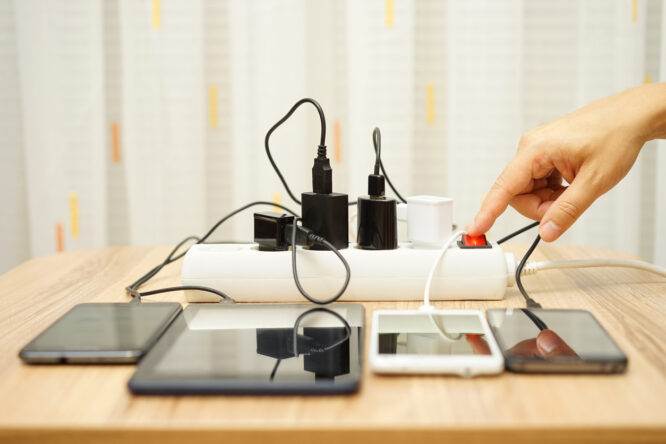
Leaving chargers plugged into the wall when they’re not actively connected to a phone or tablet is another hidden trap. They still draw small amounts of electricity, a phenomenon known as vampire power, which keeps the inside of the plug warm.
When the room itself is already baking, that extra heat build-up has nowhere to go, which can cause the cheap transformer components inside the charger to short-circuit, melt the plastic outer casing, or even create a direct fire hazard against your wallpaper or curtains.
Managing your daily charging routine
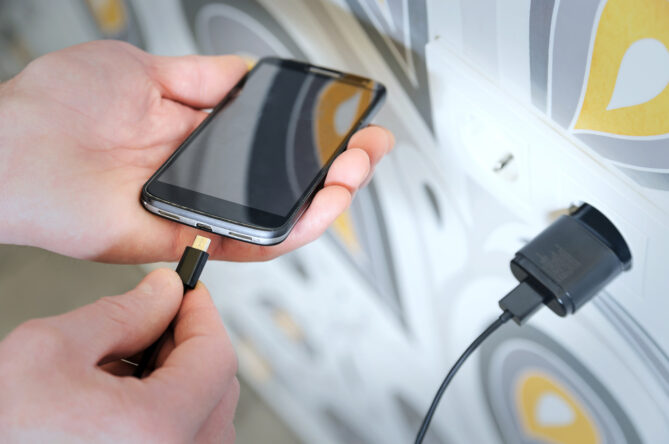
Step away from the overnight charging routine entirely when the weather gets this hot. Stick to short bursts during the day instead, preferably placing the device on a hard, flat surface like a kitchen counter rather than a bed or sofa, as soft fabrics trap heat around the casing.
Usually between 1 and 3 hours is plenty of time to top up your tech without letting the heat build up to dangerous levels. Once the battery icon is full, unplug the charger from the wall socket completely so it can cool off.
Kettles and toasters
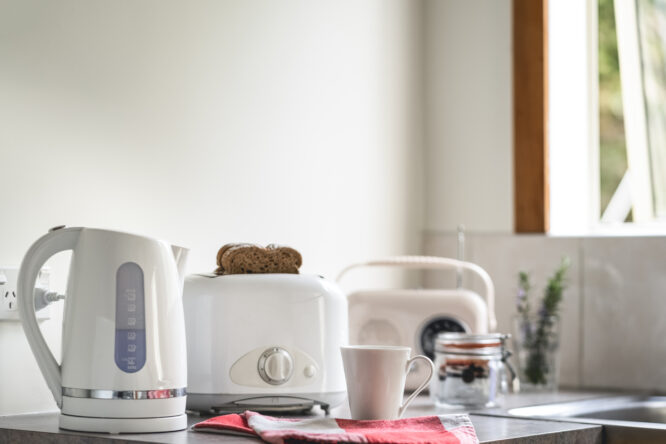
Your kitchen worktops are packed with small appliances that require massive surges of energy to function. Think about how much power it takes to boil a full kettle of water or toast a slice of bread in just a couple of minutes; these devices are essentially massive resistors designed to create heat as quickly as possible.
When the kitchen is already feeling like a sauna, running these high-energy gadgets makes the immediate area even hotter and more uncomfortable, raising the room temperature by several degrees with every single use.
Microwaves (in certain situations)
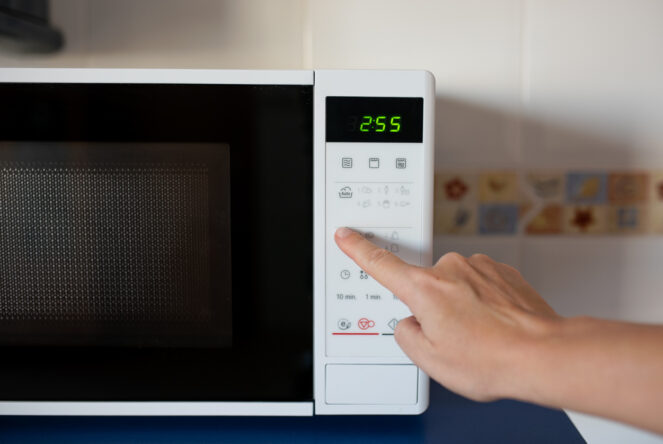
Modern microwaves, digital kettles, and coffee machines constantly use power to keep their little clocks, timers, and LED displays lit up. It might seem like pennies, but during the summer months, that idle energy usage adds up and creates a constant stream of low-level heat right where your food preparation happens.
If you’re not actively using the kettle for a cuppa or using the microwave to defrost dinner, click the switch off at the wall and pull the plug out to keep the kitchen cooler and give the internal circuit boards a total rest from the power grid.
TVs and entertainment systems
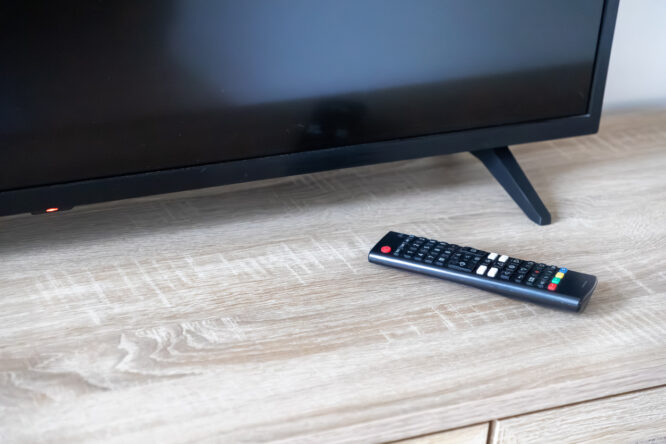
Our living rooms are usually full of tech that loves to drain power. Big-screen TVs, soundbars, and digital TV boxes are notorious for generating serious amounts of heat, and you can usually hear the internal fans whirring away frantically trying to keep them cool.
The real issue here is standby mode because when you turn your TV off with the remote, it’s not actually off; it’s just sleeping, waiting for you to press the button again. This means electricity is still cycling through the mainboard, keeping the device warm and vulnerable to power surges if the local grid gets overloaded by everyone running their air conditioning or desk fans at the same time.
Desktop computers and laptops
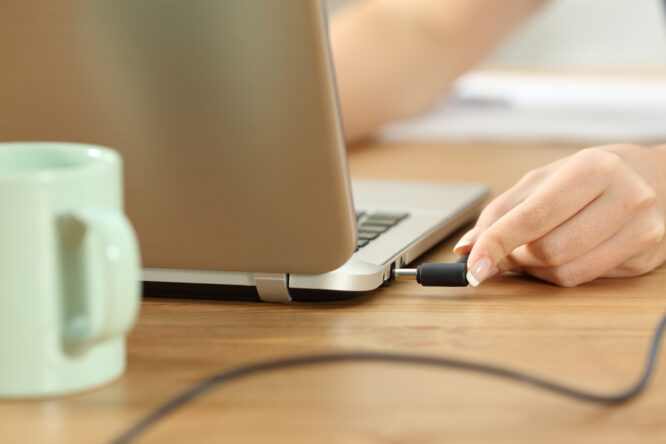
Home offices get incredibly stuffy during a heatwave, and a desktop PC or laptop docking station only makes things worse. These devices draw a lot of juice, and their power bricks get incredibly hot when left plugged in all day long. Even when your computer is shut down, leaving the plug switched on means the power supply is still ticking over, generating unnecessary warmth beneath your desk and slowly wearing down the capacitors inside the unit.
Laptops left on charge constantly in hot weather are also prone to battery swelling, which can lift the trackpad and ruin the machine entirely.
Powering down your home media zones
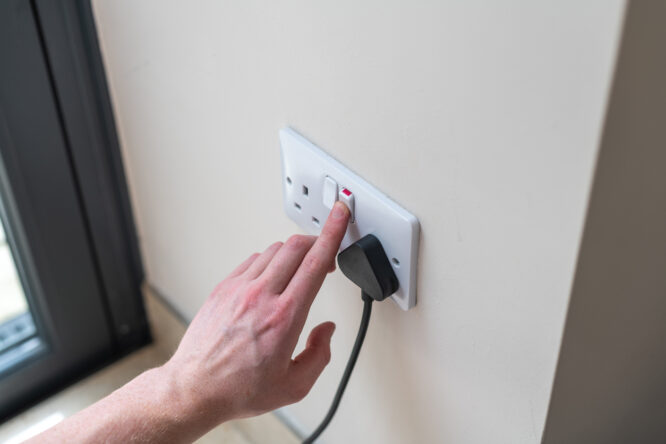
When you’re done watching a show, finishing your work for the day, or heading away on a summer holiday, shut everything down properly and unplug the main extension leads. It’s absolutely vital to cut the power completely because there’s no point paying to keep your television on standby while you’re trying to keep the house as cool as possible.
Taking 5 minutes to go around the living room pulling plugs out ensures that if a heat-induced power cut hits your street, your expensive gaming consoles and screens won’t suffer from a sudden voltage spike when the electricity grid kicks back in.
Fans and portable air conditioning units
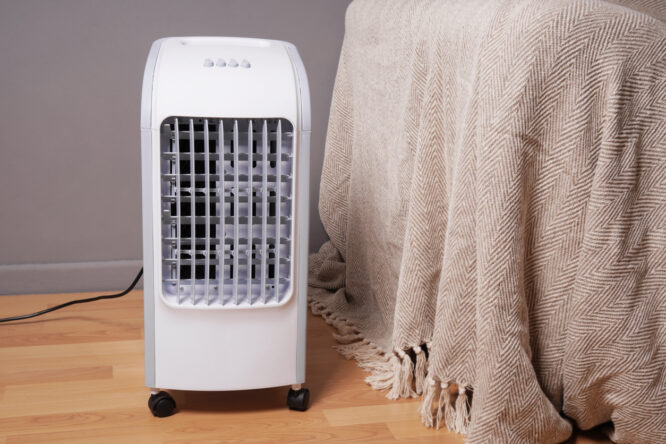
It sounds backwards to suggest unplugging the very things keeping you alive during a scorching afternoon, but these cooling devices need careful management too. Desk fans and freestanding air conditioning units possess electric motors that work overtime during a heatwave.
If you leave a fan oscillating in an empty room while you are out at work, the motor itself heats up, meaning you’re actually adding heat to an enclosed space without anyone being there to benefit from the breeze. Portable air conditioners also collect large amounts of condensation water in their internal tanks, which can become a breeding ground for bacteria or leak onto electrical components if left stagnant and plugged in while unattended.
Safely operating your summer cooling gear
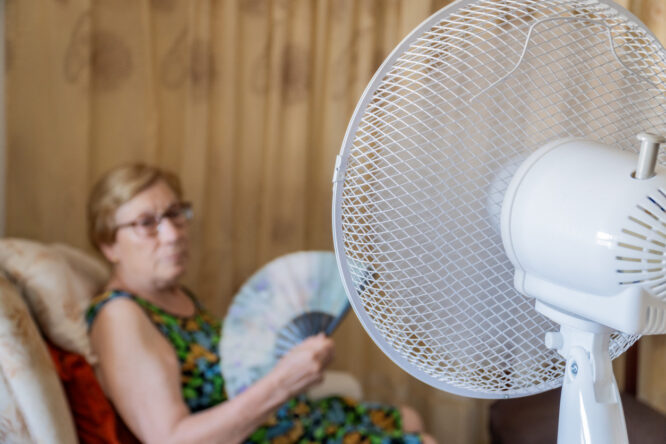
You should only ever have your fans and cooling units running when you are actually in the room to enjoy them. When you leave the house or go to sleep, turn them off at the mains and pull the plug out to let the electric motors cool down fully. This prevents the motor from seizing up or overheating due to prolonged friction, and it ensures your appliances don’t suffer from accidental blockages, such as a curtain blowing over the intake vents and causing the unit to choke and overheat.
Extension leads and multi-way adapters
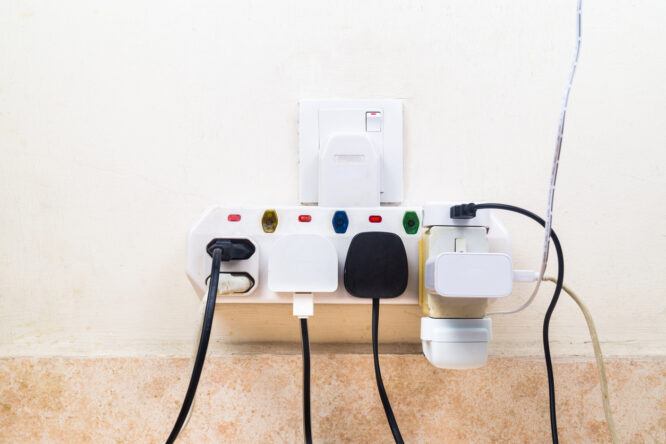
Multi-way extension leads are a lifesaver in modern homes, but they are highly susceptible to overloading when the weather gets severe. Every single device plugged into an extension strip draws current through a single wall socket, and this process creates a natural resistance inside the trailing cable.
In peak summer, the ambient air can’t cool the plastic insulation surrounding the extension wire, meaning the cable can get dangerously hot to the touch even under normal loads. If you are plugging in high-draw items like portable coolers alongside your usual tech, you are pushing the strip to its absolute safety limits.
Preventing dangerous daisy-chaining
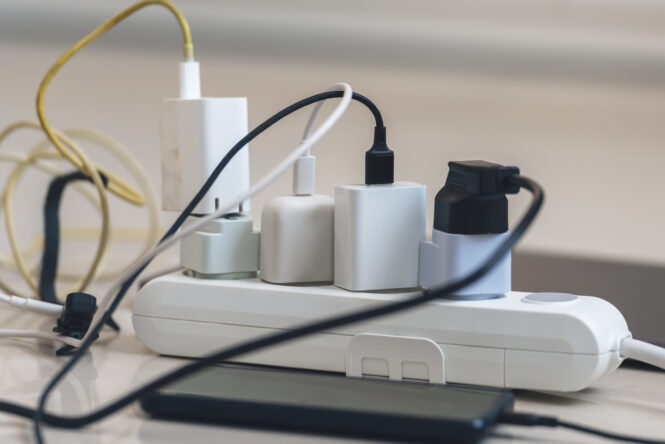
To stay safe, you must avoid daisy-chaining, which is plugging one extension lead into another, as this multiplies the heat build-up along the circuit. Unplug any extension towers or strips that aren’t actively being used, and make sure the ones you do need are laid flat on a hard floor where air can circulate around them, rather than tucked behind a dusty sofa or buried under a rug.
If an extension lead feels hot or emits a faint plastic smell, isolate it immediately by turning off the wall switch and pulling the main plug.
Washing machines and tumble dryers
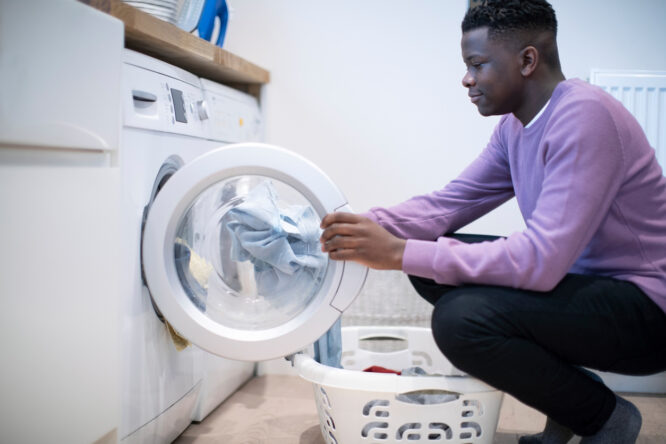
Laundry appliances are massive contributors to indoor humidity and heat generation. A washing machine heating up water for a 60 °C wash radiates an immense amount of warmth into your utility room or kitchen, while a tumble dryer acts like a giant heater blowing hot, moist air around the house. Even when they’re not running a cycle, the digital control panels, water sensors, and internal pumps stay primed on standby, drawing constant power and keeping the appliance warm.
Better laundry habits for hot weather

Give your heavy laundry appliances a total holiday during the peak hours of a heatwave by switching them off and pulling their plugs. Instead of using the tumble dryer, take full advantage of the soaring outdoor temperatures and hang your wet clothes on a washing line or an indoor airer near an open window.
If you absolutely must wash a load of clothes, do it late in the evening or early in the morning when the air is cooler, and make sure the machine is completely disconnected from the grid as soon as the spin cycle finishes.