Stroke used to be thought of as a problem for much later life, something that happened in your 70s or 80s.

That’s no longer the case across the board these days. More and more people in their 40s and 50s are turning up in hospital with stroke symptoms, and around 90% of strokes are actually considered preventable. The choices you make in midlife genuinely shape your risk, so it’s a great time to start making some meaningful changes and including some healthier habits to protect your health. Here’s what the science says about why this stage of life matters and what you can do to protect yourself.
Midlife has become the danger zone.

For decades, the risk of stroke was thought to double with each decade after the age of 55. While the link with age is still there, doctors are now seeing patients with slurred speech, facial drooping and weakness on one side of their body in their forties and early fifties far more often than they used to. These are people who may have decades of life ahead of them, often facing serious long-term effects from a stroke that could have been avoided.
The reasons behind the change aren’t exactly mysterious. Rising obesity, ultra-processed food, sedentary lifestyles, worse sleep and chronic stress are all playing their part. Recreational drug use, particularly cocaine, is also emerging as an under-recognised contributor, with the drug causing sudden spikes in blood pressure and damaging blood vessels even when used occasionally. Midlife is when these everyday habits start adding up, which is exactly why specialists say it’s where the foundations of prevention are laid.
There’s a silent heart condition you need to know about.

One of the trickiest things about stroke prevention is that some of the biggest risk factors don’t make themselves known. Atrial fibrillation is a common heart rhythm disorder that affects roughly one in five people, yet many of them have no idea they’ve got it. People with this condition are five times more likely to have a stroke, and atrial fibrillation causes around one in four strokes overall.
The condition causes blood to pool in the heart, which can form clots that travel up to the brain and block major arteries. Symptoms can include palpitations, breathlessness, fatigue or dizziness, but plenty of people experience nothing at all until they end up in hospital. Checking your pulse manually now and then, or using a smartwatch that can detect atrial fibrillation, can help spot it early. If you get an alert, save the reading and book in with your GP for a proper check.
Keeping an eye on your blood pressure is a very smart move.
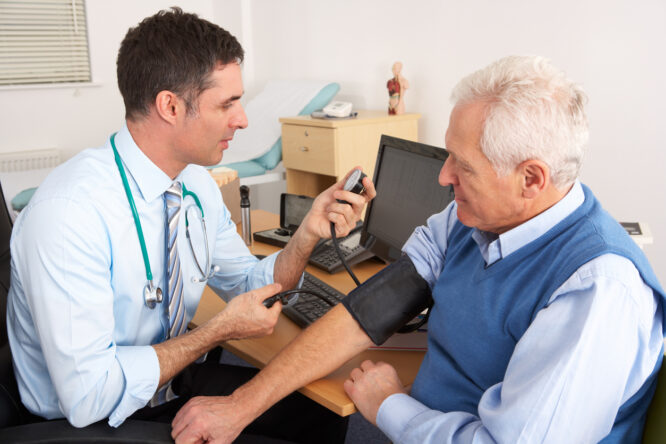
High blood pressure, also known as hypertension, is the single biggest modifiable risk factor for stroke. The trouble is, it often has no symptoms until the damage is already done. From the age of 40 you should be checking your blood pressure at least twice a year, and more often if it seems unstable. The ideal reading is below 120 over 80, with action needed if you’re consistently above 140 over 90 in a clinic or 135 over 85 at home.
Home blood pressure monitors are inexpensive and easy to use, and many smartwatches can now flag potential signs of hypertension too. If your readings stay high over six weeks or so, that’s the point to speak to your GP about medication. Catching elevated blood pressure early, and treating it consistently, is one of the most powerful things you can do to lower your stroke risk for the rest of your life.
Checking your cholesterol is vital from 40 onwards.

Cholesterol is the other big number worth keeping a regular eye on. From around the age of 40, the way your body handles cholesterol starts to change, and some people are simply more prone to having higher levels than others. NHS guidance recommends aiming for a total cholesterol level below 5mmol/L, though the targets for the “bad” LDL cholesterol are more specific again.
A simple blood test at your GP gives you the full picture, and most adults are offered one as part of the NHS Health Check between 40 and 74. If your numbers come back high, your GP may suggest dietary changes, more exercise, or medication like statins depending on your overall risk profile. Knowing your numbers, and tracking them as the years go on, is one of the easiest ways to spot trouble brewing before it becomes a stroke.
What you eat matters more than you think.

Diet plays a huge role in stroke risk, and the modern British diet isn’t doing us any favours. Processed and ultra-processed foods are loaded with hidden salt, which drives up blood pressure significantly. Ready meals, takeaways, processed meats, packaged sauces, crisps and shop-bought snacks are all common culprits. Cutting back on these, and not adding extra salt at the table, is one of the simplest changes you can make.
The Mediterranean diet has been consistently shown to reduce cardiovascular disease risk by up to 30% in major studies. The idea is straightforward, with plenty of vegetables, fruit, whole grains, pulses, nuts and seeds, regular oily fish like salmon and mackerel, olive oil instead of butter, and meat eaten less often. You don’t need to overhaul your entire diet overnight, but each small shift in that direction helps protect your blood vessels for the long term.
Quit smoking and be cautious with alternatives.

Smoking damages blood vessels, stiffens arteries, drives inflammation and increases the risk of clot formation. Despite smoking rates falling in recent years, it remains one of the clearest and most preventable stroke risks. The good news is that it’s never too late to quit, since your stroke risk starts dropping the moment you stop and continues to fall for years afterwards.
Vaping is generally less harmful than smoking, but it isn’t risk-free either, and should really be seen as a stepping stone to quitting altogether. Nicotine pouches, which have become more popular in recent years, also carry risk, since nicotine itself raises blood pressure and heart rate and affects how your blood vessels behave. If you’re trying to quit, your GP can refer you to NHS stop smoking services, which have a strong track record of helping people kick the habit for good.
Get sensible about alcohol and recreational drugs.

The old idea that a glass of red wine a day protects your heart has been thoroughly debunked. Drinking too much alcohol raises blood pressure, disrupts sleep, increases the risk of weight gain and diabetes, and can trigger atrial fibrillation. Current guidance is to stick to no more than 14 units per week, spread across several days, with a few alcohol-free days each week. Binge drinking is particularly bad news for your cardiovascular system, even if you’re “saving up” your units for a big night.
Recreational drug use is another area now being taken seriously in stroke clinics. Cocaine in particular has been linked to sudden spikes in blood pressure, narrowing of blood vessels, increased clotting risk and longer-term arterial damage. Even occasional use in midlife is being recognised as a genuine stroke risk factor, not just something for hardened users. If recreational drugs are part of your social life, knowing the risks honestly is the first step in looking after yourself.
Find the exercise you’ll genuinely stick to.

There’s no single “best” exercise for preventing stroke. The best one is the one you’ll actually keep doing, whether that’s swimming, walking, cycling, dancing, tai chi or yoga. Current guidance suggests at least 150 minutes of moderate exercise each week, which works out at around 20 to 30 minutes a day. Mixing in some strength training and flexibility work helps your joints and overall mobility as well.
What seems to matter most is consistent, sustained, moderate-intensity movement rather than occasional bursts of all-out effort. Zone 2 training, which simply means exercising at around 60 to 70% of your maximum heart rate, has been shown to be particularly effective for long-term cardiovascular health. The simplest test is whether you can still hold a conversation while doing it. Brisk walking, gentle cycling, hiking or steady swimming all hit that sweet spot beautifully.
Take your sleep seriously.

Sleep has quietly become one of the most overlooked cardiovascular risk factors. Modern life means many adults are scrolling on their phones late into the evening and sleeping less than they should, and the effects on the body add up over time. Regularly getting less than six hours a night is linked to higher blood pressure, higher stress hormone levels and a measurably increased stroke risk.
The good news is that improving your sleep can quickly reverse much of the damage. Keep a consistent bedtime, limit screens in the last hour before sleep, avoid caffeine after lunchtime, and make sure your bedroom is dark, cool, and quiet. If you snore loudly or feel exhausted despite sleeping a decent number of hours, ask your GP about sleep apnoea, which is a common and treatable condition that significantly increases stroke risk if left undealt with.
Remember how much power you truly have.

The statistic worth keeping at the front of your mind is that around 90% of strokes are preventable. That isn’t because strokes are simple or because the science is easy, but because nearly all of the major risk factors are things you can influence with the choices you make day to day. Blood pressure, cholesterol, weight, diet, alcohol, smoking, exercise and sleep are all under your control to a meaningful degree.
You don’t need to become a fitness fanatic, follow a perfect diet or abandon every pleasure in life. Small, consistent improvements across several of these areas are what make the difference, and they add up over the years to dramatically lower your risk. Booking in for a check of your blood pressure, cholesterol, and pulse this month is one of the easiest, cheapest health upgrades you can give yourself. Your future self, decades from now, will thank you for taking it seriously while you’ve still got the chance to act.