There’s a difference between casually picking up a few plants at the garden centre and actually keeping them thriving over the long haul.
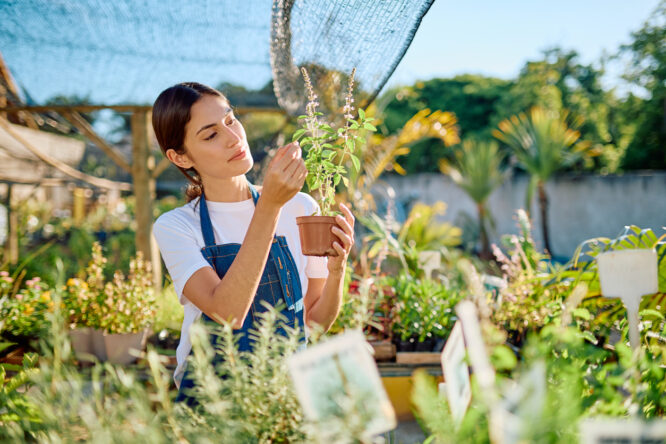
When you’re first trying to sort out your garden, it’s incredibly easy to make a few well-meaning blunders—like overwatering out of pure enthusiasm or planting everything in the first empty patch of soil you find without checking the sunlight. Experienced gardeners have already been through that trial-and-error phase, and they know that keeping an outdoor space looking brilliant comes down to avoiding a few common, easily fixed habits. By getting a handle on these basic slip-ups, you can save yourself a lot of wasted time and money, and finally get your plants growing exactly the way they’re supposed to.
Not planning the layout before you start costs you later.
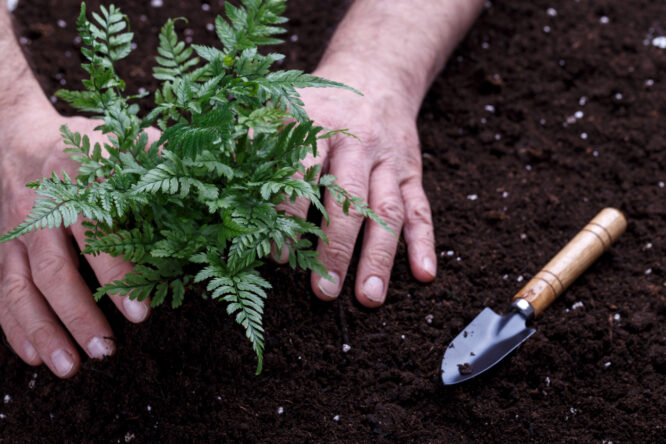
One of the most common early mistakes is putting plants wherever there’s space without thinking about how the sun moves across the garden throughout the day, where trees might cast shade as they fill out, or how close you are to a water source. A bed that gets full sun in spring can end up in deep shade by summer once nearby trees have leafed out, and by then it’s too late to do much about it without disrupting everything. Spending an hour watching where the light falls at different times of day before you commit to a layout saves a huge amount of rearranging later.
The same thinking applies to perennial plants like artichokes and asparagus, which start small but take up a lot of space once established and are genuinely difficult to move once they’ve settled in. Trees are worth thinking about too because their roots spread further than most people expect and can interfere with nearby beds for years. A rough sketch of your garden plan, even a simple one, is far more useful than it sounds.
Ignoring the instructions on seed packets is an easy mistake to make.
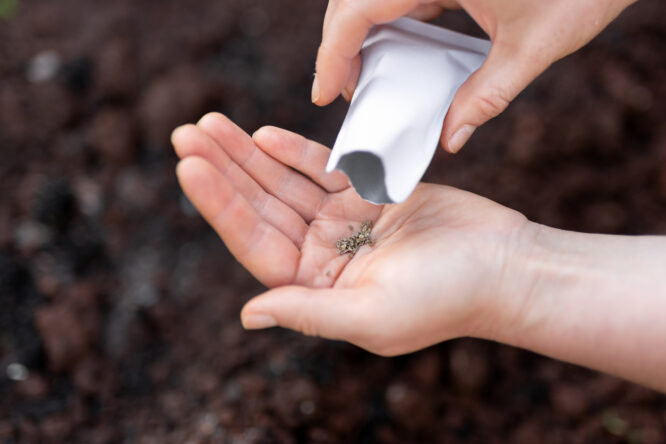
Most gardeners glance at the packet and then do what feels right, which tends to work out fine until it doesn’t. Spacing recommendations in particular are easy to dismiss when you’re looking at a small seedling, but those small plants become large ones quickly, and crowding them out means reduced airflow, slower growth, and a lower yield than you’d have had if you’d followed the guidance. A head of cabbage that looks like it needs a small amount of space in March can easily crowd out everything around it by June.
The information on seed packets and plant tags also covers sunlight and moisture requirements, which is useful for grouping plants with similar needs together and making maintenance easier across the season. If you haven’t grown a particular variety before, treating the instructions as a starting point rather than something optional is a straightforward way to avoid a preventable failure.
Growing plants outside their natural season reduces both quality and yield.
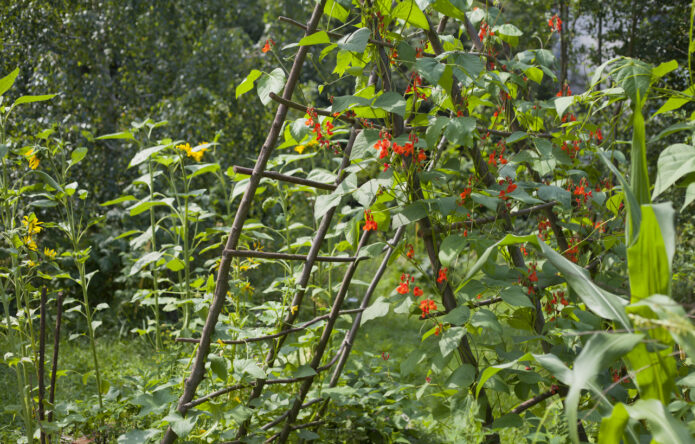
Plants have preferred seasons and when you push them outside those windows, the results suffer. Kale grown in hot weather tastes bitter and tough, but the same plant left to mature through winter frosts becomes noticeably sweeter. Tomatoes planted too early in cold soil struggle, and lettuce bolts in summer heat rather than producing the leaves you’re after. Nurseries sometimes sell plants at times when they shouldn’t really be going into the ground yet, so it’s worth knowing your last frost date and the preferred growing conditions for whatever you’re planting rather than just buying whatever’s available.
Seeds also follow seasonal cues, with some only germinating once soil temperatures reach the right level. Lettuce, for example, won’t sprout in warm soil regardless of what else you do. Growing plants in their correct season means they need less intervention, produce better flavour, and are generally more resilient against pests and disease than plants being pushed to grow in conditions they’re not suited to.
Watering from above causes more problems than most people realise.
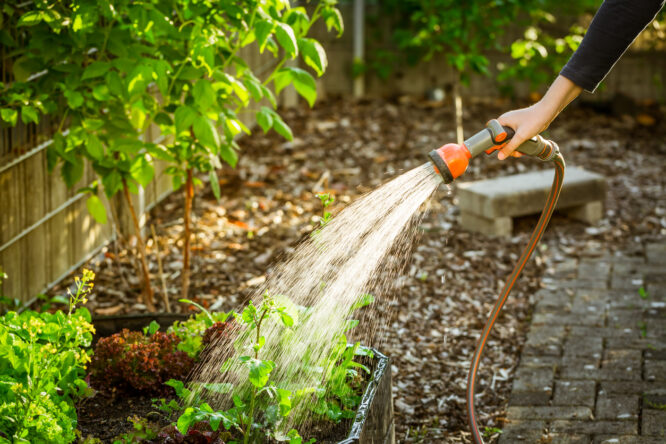
Sprinklers and overhead hosing feel thorough, but they’re one of the leading causes of fungal disease in home gardens. Water landing on leaves rather than at the roots creates the damp conditions that diseases like powdery mildew thrive in, and if you’re watering in the evening those leaves don’t dry out before dark, which makes things worse. A lot of the water also never reaches the roots at all, either evaporating or being blocked by the foliage above.
Drip irrigation or soaker hoses solve most of these problems by delivering water directly to the base of the plant, where it’s actually needed. They use less water, reduce disease risk, and remove the daily task of manually watering each bed. Setting them on a timer takes the guesswork out of when and how much to water. If a full drip system isn’t possible, watering early in the morning and aiming the hose at the base of each plant rather than the foliage makes a meaningful difference on its own.
Forgetting to label plants is a small thing that causes real confusion.
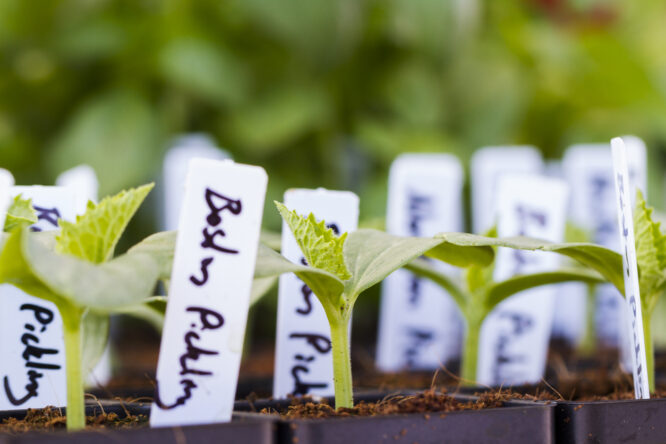
It always feels like something you’ll remember, and rarely is. Unlabelled seedlings look very similar to each other in the early stages, and once you have multiple varieties of the same vegetable growing, telling them apart without labels becomes genuinely difficult. With tomatoes in particular, knowing whether a plant is determinate or indeterminate affects how you stake and prune it, so losing track of which variety is which has practical consequences beyond just curiosity.
The simplest fix is to stick the original plant tag into the soil when you transplant, and to write on small markers for anything started from seed. It takes a couple of minutes and saves the frustration of hunting through websites months later trying to work out what you’re growing and how to care for it.
Letting certain plants spread unchecked takes over your garden fast.
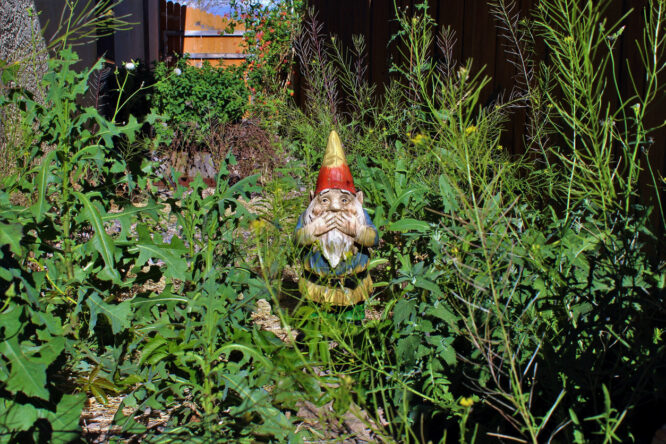
Some plants reseed and spread so aggressively that they become a problem if you’re not watching them. Mint is one of the most common examples. It’s a useful herb that most gardeners want in their garden, but planted directly in the ground, it spreads through underground runners and can take over large areas quickly. Growing it in a container keeps it useful without the invasion. Fennel, dill, and nasturtiums reseed freely and can pop up all over the garden if you let them go to seed, which is fine if you like a naturalistic look but frustrating if you want more control over what grows where.
The straightforward approach is to cut plants back before their flowers have fully faded, and the seeds have matured and dispersed. Doing it once a season takes very little time and prevents the kind of weedy spread that’s genuinely difficult to reverse once it’s taken hold.
Putting your vegetable garden out of sight means you’ll neglect it.
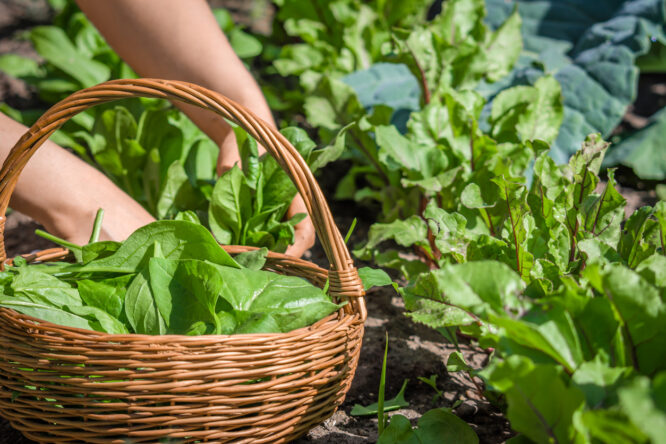
A vegetable garden that you don’t walk past or see from a window tends to get forgotten between visits, and that gap in attention has consequences. You miss the window when something is ready to harvest, don’t notice a pest problem until it’s spread across several plants, or skip a watering during a dry spell because it didn’t cross your mind. Gardens that get daily attention produce more and have fewer problems, and the easiest way to make that happen is to put them somewhere you naturally pass throughout the day.
If your layout allows it, positioning herbs and smaller crops like salad leaves near the kitchen door makes harvesting a two-minute job rather than something that requires walking to the other end of the garden. The more convenient it is to interact with your garden, the more often you will, and regular attention is genuinely one of the most effective things you can do for plant health.
Growing more than you can use wastes the effort you put in.

It’s easy to get carried away when looking through seed catalogues or walking around a garden centre, and the result is often far more plants than one household can realistically use. A single courgette plant produces an enormous amount of fruit, and two will feed a small family all summer. A full row of chard is a lot of chard if only one person in the house actually eats it. Starting small and focusing on what you genuinely cook and eat regularly is a much more satisfying approach than planting ambitiously and watching things bolt or rot before you get to them.
The exception is crops like carrots, radishes, and lettuce that can be sown in small amounts repeatedly throughout the season, so you’re always harvesting a little rather than facing a glut all at once. Leaving room in your plan for one or two new varieties you haven’t tried before keeps things interesting without overcommitting, and if they don’t work out, the lesson itself is worth the space they took up.