Most of us know the basic formula for slimming down: eat a bit less, move a bit more, and wait for the numbers on the bathroom scales to drop.
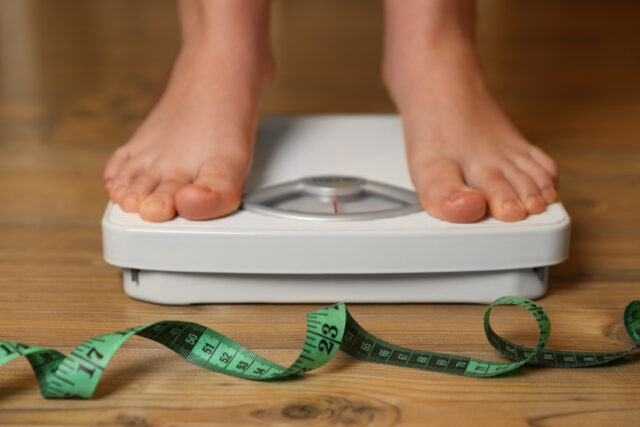
We obsess over cutting calories, hitting daily step counts, and sweating through gym sessions, celebrating every lost pound as a win. Weirdly enough, hardly anyone stops to consider the practical mechanics of the whole business. When you successfully burn off body fat, where does that physical mass actually go once it vanishes from your waistline?
If you ask around, most people assume it gets converted into pure energy, burnt off as body heat, or flushed straight down the loo. Incredibly, even plenty of doctors, personal trainers, and registered dietitians get the fundamental science wrong. The real answer comes down to basic human biochemistry, and it involves a remarkably ordinary bodily function you’re doing right now without giving it a second thought.
How does your body store fat to begin with?
When you lose weight, what you’re mostly losing is body fat, which originally comes from the food you eat. Any fat consumed gets broken down by your digestive system into tiny building blocks called fatty acids, which then travel around the body to support all sorts of essential jobs, from maintaining cell structure to regulating hormones and protecting your organs. Any fatty acids the body doesn’t immediately need get stored away for later, packaged up into fat cells for future use, whether that’s extra energy during a workout or simply getting through a period where food is scarce.
There are two types of fat your body stores.

Broadly speaking, the body stores fat in two main places, one sitting just beneath the skin, commonly around the tummy and legs, and a deeper type sitting further inside the body, wrapped around organs. Most of the fat people lose through diet and exercise comes from that shallower layer beneath the skin, simply because that’s where the majority of stored body fat actually sits. Whichever type it is, stored fat essentially acts as a reserve tank, sitting quietly until your body needs to tap into it for extra energy.
What triggers your body to start burning fat?
When the body is under some form of metabolic stress, like eating fewer calories than it needs, it starts relying more heavily on those stored fat reserves for energy. Specific hormones and chemical messengers signal to fat cells that it’s time to release some of that stored energy, kicking off a process called lipolysis.
During this process, the fat stored inside your cells gets broken back down into fatty acids, which then travel into the tiny energy producing structures inside your cells, known as mitochondria. From there, those fatty acids go through a process called beta-oxidation, which is essentially how your body actually burns fat for usable energy.
Breathing plays a surprising role in fat loss.
As fat gets broken down through this process, carbon molecules get stripped away from the fatty acids, eventually forming carbon dioxide as a byproduct. That carbon dioxide then travels through your bloodstream up to your lungs, where it’s simply breathed out with every exhale.
In other words, the majority of the actual fat you lose when you’re successfully losing weight doesn’t disappear into thin air metaphorically—it quite literally leaves your body through your lungs every time you breathe out. A smaller portion of lost weight also leaves the body as water, mainly through sweat.
How much fat leaves through your breath versus sweat?

Some researchers estimate that around 84 percent of the fat someone loses ends up being exhaled as carbon dioxide, with the remaining 16 percent or so leaving the body as water through sweat instead. These figures are difficult to measure with complete precision though, since tracking every single output from a person’s body accurately over the weeks or months it takes to lose weight is a tricky thing to study properly.
Even accounting for that uncertainty, the overall picture remains fairly clear, that breathing plays a far bigger role in fat loss than most people would ever guess, considerably more than sweating alone.
What this all means for losing weight in practice
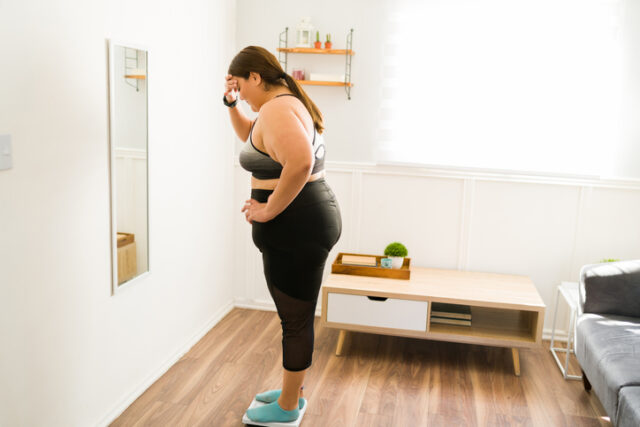
Ultimately, putting your body under enough metabolic stress, whether through eating less, exercising more, or a combination of both, increases how much fat gets broken down for energy through this whole process. And once that fat is broken down, it does leave your body, mostly through the simple act of breathing, with a smaller amount leaving through sweat.
None of this changes the practical advice people have heard for years though, since eating slightly less, prioritising nutritious food, and staying physically active remains the most reliable way to trigger this fat burning process. Exercise specifically also helps preserve and build muscle mass alongside fat loss, which matters just as much for overall health as the number on the scale itself.