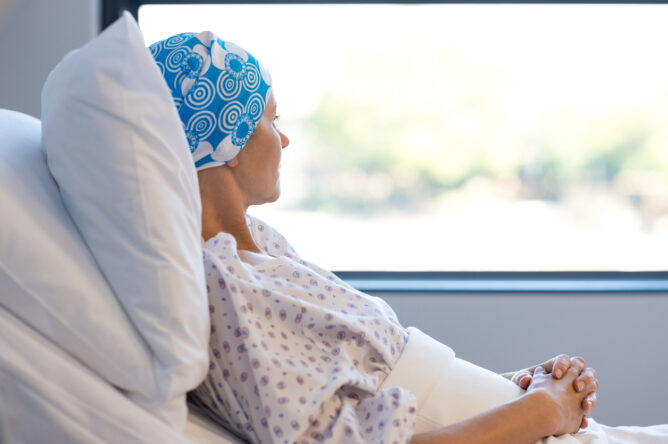
Reproductive health is an area where women are still routinely told their symptoms are just par for the course.
That’s true even when their bodies are trying to flag up something that needs proper medical investigation. It doesn’t matter whether it’s–debilitating period pain and unpredictable cycles to chronic fatigue and pelvic discomfort, it’s remarkably common to have red flags brushed off as everyday aches or standard hormonal swings. For far too many, that leads to years of self-doubt, second-guessing, and suffering in silence while simply trying to get on with daily life.
Research into women’s reproductive health highlights just how widespread this dismissal remains across the clinical board, revealing a staggering gap between what patients report and the care they receive. Crucially, the findings show that women’s instincts about their own bodies are remarkably accurate far more often than not. When something doesn’t feel right, that gut feeling is usually grounded in real physiological changes, underscoring why persistent concerns deserve proper investigation rather than a routine pat on the head.
Trusting your instincts is vital.

Research into women’s experiences accessing reproductive healthcare found that a striking number struggled to get proper support before eventually seeking testing elsewhere. The most common barriers reported were feeling unheard by healthcare professionals, long waiting times, symptoms being dismissed outright, and simply not knowing where to turn for help.
What’s particularly telling is that among women who suspected something wasn’t right and pursued testing anyway, the vast majority received results showing real clinical findings. In other words, their instincts were correct, and the symptoms they’d been experiencing were real and measurable, not something to be brushed aside.
Fatigue is far more common than most people realise.

Across large scale reproductive health research, the single most commonly reported symptom among women wasn’t pelvic pain or irregular periods, it was fatigue. Anxiety and low mood followed closely behind as the second and third most common complaints overall.
Many women initially seek out reproductive health testing purely out of curiosity, rather than because they’re worried about specific hormonal symptoms. Yet once tested, it often turns out they’ve been experiencing symptoms all along, including irregular cycles, skin issues, weight changes, hair loss or excess hair growth. Nearly half of women tested reported experiencing five or more hormonal symptoms simultaneously, suggesting a lot of women have simply learned to push through discomfort rather than recognising it as something to address.
PCOS is increasingly understood as a whole-body condition.
Polycystic ovary syndrome, commonly known as PCOS, has recently been reclassified under a new name reflecting a much broader understanding of the condition. For too long, it was treated purely as a reproductive health issue, despite carrying risks around insulin resistance, inflammation and cardiovascular health that extend well beyond fertility alone.
This updated classification acknowledges that PCOS affects the whole body, not just reproductive function specifically. It’s a change that’s expected to open up new avenues for research, alongside encouraging more joined up, comprehensive care for women living with the condition, rather than treatment that only ever focuses narrowly on fertility.
There’s a reason diagnosis for conditions like endometriosis takes so long.
In the UK, it currently takes an average of seven to nine years for endometriosis to be properly diagnosed. Laparoscopy remains the gold standard diagnostic test for confirming the condition, but access to this procedure can be difficult to secure quickly, contributing significantly to those long delays.
New diagnostic tools are increasingly being developed to help close that gap, not by replacing the gold standard test itself, but by helping identify symptoms earlier and speeding up referrals to specialists. Bringing together detailed symptom questionnaires, hormone blood testing and pelvic ultrasound scans into one streamlined process, reviewed by a doctor, offers a useful way to flag potential issues sooner, rather than women waiting years before receiving a proper referral.
There’s a surprising link between reproductive and autoimmune conditions.

Recent large-scale analysis involving tens of thousands of women found that those with endometriosis were significantly more likely to also have an autoimmune condition, with a similarly raised likelihood among women experiencing diminished ovarian reserve. This connection carries clinical weight, suggesting autoimmunity should be part of the conversation whenever endometriosis or unexplained low ovarian reserve is being investigated.
The reverse holds true too. Women already living with an autoimmune condition deserve proper counselling around how both the condition itself, and the medications commonly used to treat it, might affect their fertility going forward. It’s a connection that’s often overlooked entirely when these two areas of health are treated as completely separate.
Honesty about fertility and age matters so much.

Reproductive health is one area where lost time can’t be recovered. Both egg quantity and quality decline with age, particularly from the early to mid-thirties onwards, and egg quality specifically affects far more than just the likelihood of conceiving, it also plays a role in miscarriage risk and potential pregnancy complications.
Plenty of women in their forties are actively trying to conceive, often without having previously received clear information about how significantly the odds change with age. By forty, the monthly chance of natural conception for most women is only a fraction of what it was in their thirties. This isn’t usually a case of women carelessly leaving things too late, more often it reflects a lack of accessible, timely information about fertility that could have shaped earlier decisions had it been available sooner.
Given how often women’s symptoms get dismissed or explained away, trusting your own instincts about your body, and pursuing proper testing when something feels off, remains one of the most important steps toward catching reproductive health issues early enough for that information to actually make a difference.