Ice baths, sports massages, compression tights, and an endless array of post-workout shakes have become go-to staples for anyone trying to bounce back faster from a brutal session.
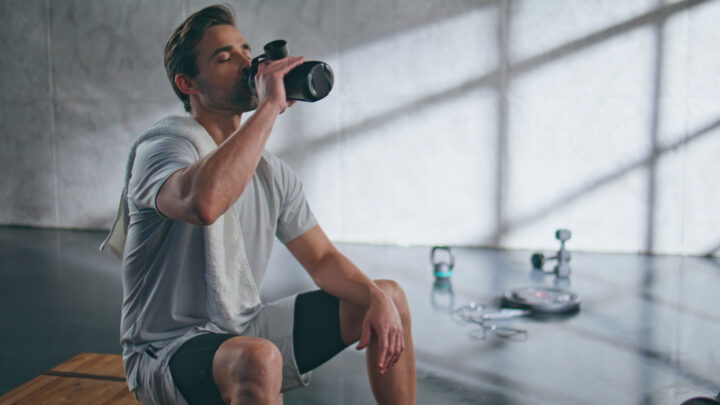
After putting yourself through the wringer at the gym or clocking miles on the road, it’s completely natural to reach for anything that takes the sting out of aching legs. The sports and fitness industry makes a tidy sum promising that these high-tech routines flush out toxins, speed up muscle repair, and get you back on your feet in record time.
However, sports science paints a far more complicated picture of how the body adapts to hard training. As it turns out, dialling down immediate soreness doesn’t necessarily mean your muscle fibres have finished repairing themselves. In fact, by artificially chilling the body or constantly blunting the natural inflammation that tells your muscles to grow back stronger, a few of these fashionable habits might actually be slowing down your long-term fitness gains.
Ice baths are okay, but there’s a catch.
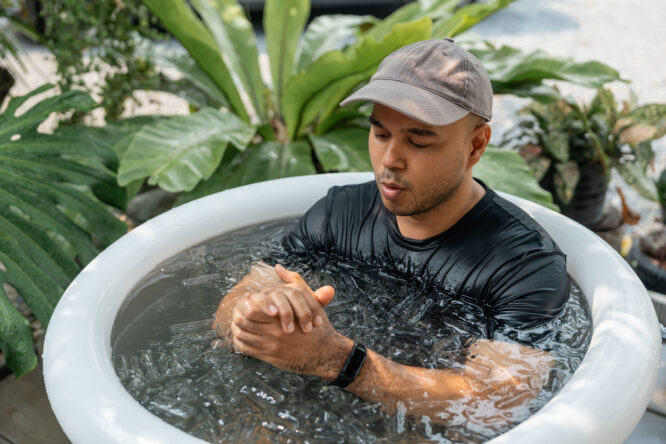
Sitting in freezing water after a workout used to be something only elite athletes bothered with. These days it’s become a normal part of an ordinary gym goer’s routine too, and it’s easy to see why. Muscle soreness can set in hours after a hard session and hang around for days, making even simple movements feel uncomfortable.
An ice bath helps here, easing that soreness and getting muscle function back to normal within about a day. If you need to perform again soon, say you’re an athlete competing again within a day or two, that’s useful. But there’s a real trade-off nobody talks about enough: the inflammation an ice bath cools down isn’t just an annoying side effect of training, it’s actually part of how your body builds muscle in the first place. Do it too often after resistance training and you start blunting some of those gains.
Compression gear makes you feel better without doing much else.
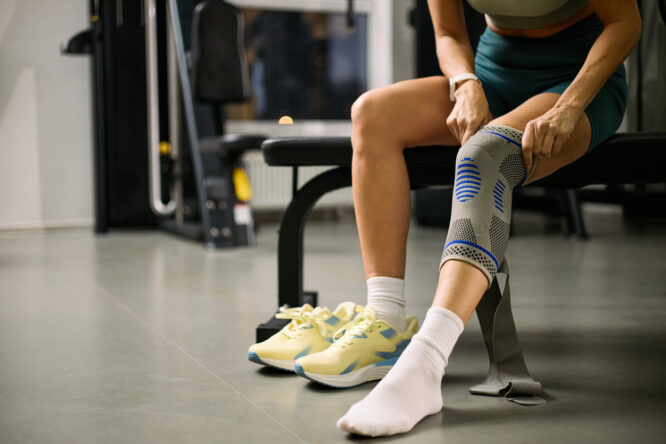
Compression garments work on a fairly simple idea: that squeezing the muscles helps blood flow better and keeps swelling down. As it turns out, that part is true. When researchers compared real compression gear against a fake version people were told would work just as well, the real garments improved circulation while the fake ones did nothing at all.
So, compression isn’t just in your head—something measurable really is happening. The question is whether that measurable change actually makes any real difference to how you perform afterward, and the honest answer is probably not much. Compression seems to mostly work by making you feel more recovered, rather than speeding up how your muscles repair themselves.
Massage eases the ache without transforming your performance.
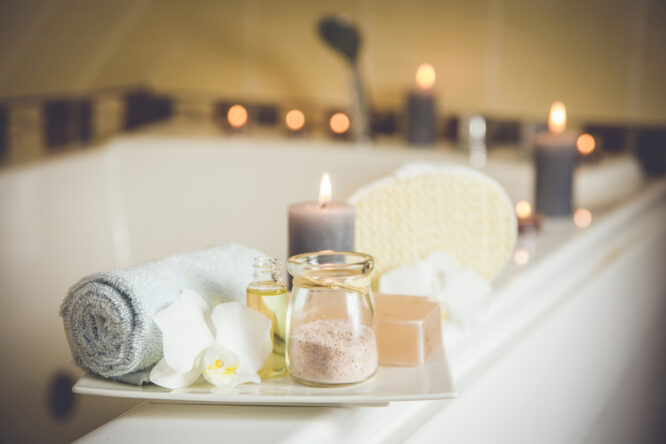
Out of everything on this list, massage has some of the more consistent evidence behind it. People do feel less sore and more recovered afterward, and that’s not just wishful thinking. Nobody’s entirely sure why it works so well, though it’s probably some mix of loosened up muscles, better circulation and simply feeling more relaxed overall.
The catch is that feeling less sore doesn’t automatically mean your muscles are actually performing any better. When researchers look at actual strength and function rather than just how people say they feel, the improvements tend to be pretty modest and inconsistent. Massage is great for taking the edge off, just don’t expect it to work miracles on your next session.
Not every recovery supplement earns its price tag.
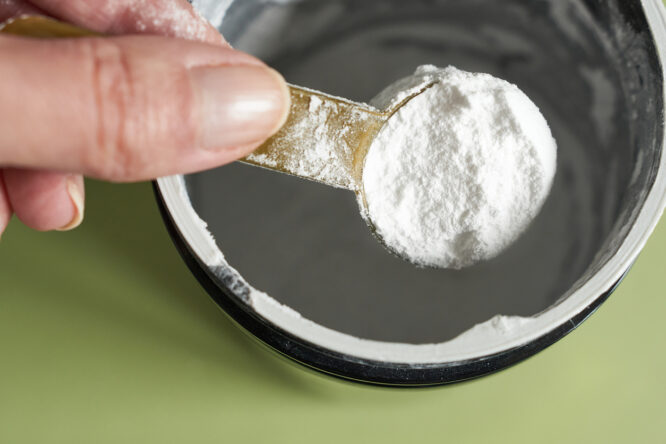
Walk into any gym or health shop, and you’ll find shelves stacked with brightly coloured recovery drinks and capsules, all promising to fix soreness and speed things up. Some of them help a bit. Plenty are riding on hype that doesn’t really hold up once you look at the actual research.
Whey protein is probably the most solid option here, offering a small to moderate boost for muscle recovery, even if it’s less reliable at actually easing soreness specifically. BCAAs, the amino acid supplements so many gym bags seem to carry, don’t actually stack up as well as people assume, mainly because proper muscle repair needs the full set of essential amino acids, not just the handful found in a BCAA scoop. A simple chicken breast, a bit of salmon or some tofu already gives you everything those supplements are trying to isolate.
Tart cherry juice and fish oil offer smaller (but very real) benefits.
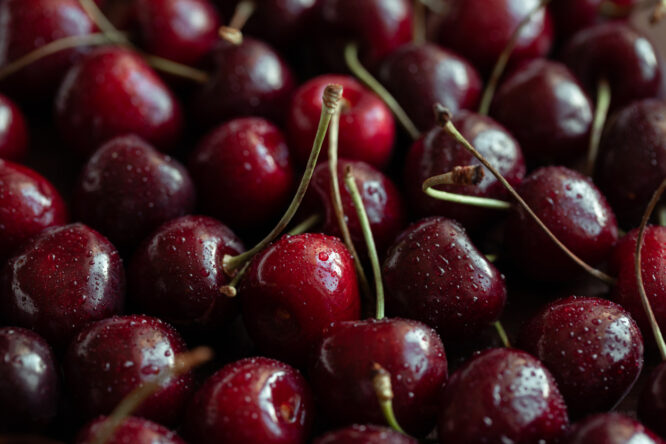
Tart cherry juice has become a newer fixture in gym bags, and it’s got a reasonable case behind it. It’s packed with plant compounds thought to calm inflammation and protect cells from damage, and early research does suggest a small to moderate reduction in soreness, along with some help getting strength and power back afterward.
Fish oil gets talked about constantly for recovery too, and while a few studies do show it modestly easing soreness and helping preserve muscle function after a hard session, the results jump around too much to call it a game changer. What’s worth remembering with all of these is that you can get the same nutrients from actual food, and whole foods tend to work better anyway, since they bring along a whole cast of other nutrients that supplements simply can’t replicate on their own.
Sleep and food still matter more than anything you can buy.
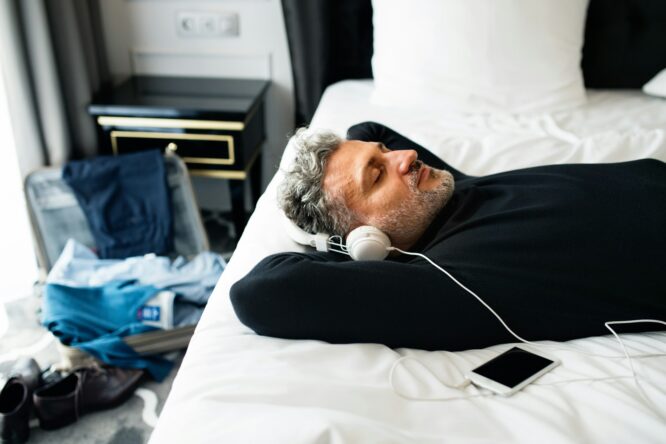
After going through everything the recovery industry sells, the boring truth is that the things actually proven to work the best cost nothing at all. Getting a proper seven to nine hours of sleep each night gives your body the time it needs to repair and adapt, and honestly, nothing else on this list comes close to matching that.
Eating somewhere between 20 and 40 grams of protein after training helps your muscles rebuild properly, alongside enough carbs to refill what you burned during the workout. And how you actually train matters just as much, building rest days in between hard sessions, gradually pushing yourself a bit further over time, and knowing when to ease off rather than grinding through every single session at full intensity.
At the end of the day, recovery just isn’t something you can buy off a shelf or zip yourself into. Sleep, proper food and smart training do the heavy lifting, and everything else, ice baths included, is really just a nice extra sitting on top.