Weight loss injections have completely rewritten the conversation around appetite and hunger over the past few years.

Between endless headlines, social media buzz, and soaring demand, these weekly jabs have turned the traditional dieting world on its head by showing that stubborn cravings often come down to biology rather than willpower. But according to a pharmaceutical industry insider, the massive rush towards clinical solutions means we’ve been missing an obvious, foundational piece of the puzzle.
The human body already produces its own versions of these appetite-regulating hormones entirely on its own, releasing them naturally to tell your brain when you’ve had plenty to eat. While pharmaceutical treatments deliver an artificial surge to mute that constant hunger, you don’t necessarily have to depend on a prescription to get your internal signals working properly. By making a few smart adjustments to the way you eat, sleep, and move, it’s possible to give that built-in system a real lift and manage your appetite naturally from the inside out.
It’s important to understand the hormones your gut already makes.

Weight loss injections work partly by mimicking a hormone called GLP-1, which is naturally released in the gut after eating and helps regulate hunger, blood sugar and insulin levels. Someone who spent over a decade working directly on the development of these medications has written extensively about how the body’s own version of this system functions, and why so few people understand it.
According to this expert, these medications are valuable and have changed lives for a huge number of people. But they’re also expensive and inaccessible for plenty of others, which is exactly why she believes it shouldn’t be easier to get a prescription than to understand how your own body’s natural hormone system already works.
These hormones matter for more than just weight.

GLP-1 isn’t the only hormone involved in this process either. It works alongside several others, including one that helps maintain gut function, another that helps burn fat, and a third that helps regulate sugar cravings specifically. Together, these hormones form a kind of internal health team, working to keep hunger, blood sugar and energy levels properly balanced.
Beyond appetite alone, better blood sugar control linked to these hormones has also been associated with a lower risk of several serious health conditions, including cardiovascular disease, kidney disease and dementia, alongside improved energy levels and better gut health overall. That’s part of why this isn’t purely a weight loss story, it’s relevant to anyone interested in their broader long-term health.
Modern eating habits work against these hormones.

The core issue, according to this expert, is that a huge amount of what people eat today, particularly ultra-processed food, refined sugar, white bread, pasta and processed meat, gets digested and absorbed far too quickly. That means it never reaches the lower part of the digestive tract, where most of the cells responsible for releasing these helpful hormones are actually located.
Given that the intestines stretch roughly eight metres in total, food has a long journey to make before it can trigger this natural hormone release properly. When that journey gets cut short by fast digesting foods, blood sugar levels swing more dramatically and hunger signals become considerably less reliable, which helps explain why so many people feel constantly hungry despite eating regularly.
Eating a wide variety of plants helps.

Eating as many different plants as possible has become fairly well-known advice for gut health generally, but it also plays a direct role in satiety specifically. Plant cells are naturally wrapped in a tough fibre layer that slows down how quickly their nutrients get absorbed, allowing some of that food to travel much further through the digestive tract before being fully broken down.
That matters because the lower digestive tract is exactly where most of the hormone releasing cells are concentrated. Eating a wide mix of plants, each digesting at slightly different speeds, means these hormones get released steadily over a longer stretch of time, creating a sustained sense of fullness rather than a quick spike that fades fast.
Cabbage and similar vegetables deserve a bigger role.

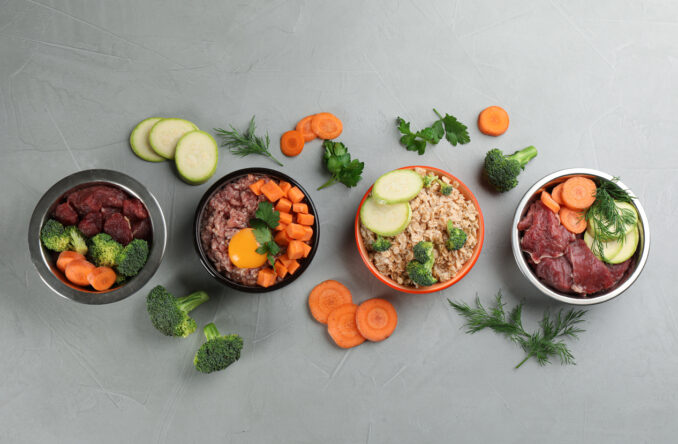
One particularly uncompromising piece of advice involves making cabbage roughly a quarter of your plate at mealtimes. Its particularly tough fibre structure means it travels deep into the gut before breaking down, right into the area where these hormone releasing cells are most concentrated. Similar sturdy vegetables like lettuce, broccoli, cauliflower, kale, spinach, and Brussels sprouts work in much the same way if cabbage isn’t appealing.
The remaining plate should ideally include roughly half other vegetables, with the final quarter made up of quality, minimally processed fats and protein, things like eggs, yoghurt, avocado, cheese, meat, lentils, and beans. Combining raw and cooked vegetables in the same meal is also worth doing, since each gets digested in a slightly different part of the gut, extending that satiety effect even further.
Keeping blood sugar steady is vital.
Sharp blood sugar spikes, often triggered by processed foods or refined carbohydrates, require a large release of insulin to bring levels back down. When insulin stays consistently high, it actually suppresses the fat burning hormone glucagon, stopping it from doing its job properly. The inevitable crash that follows a sugar spike tends to trigger intense hunger, feeding directly into a cycle of overeating.
One practical way to avoid this pattern is skipping traditional sugary breakfast foods altogether in favour of savoury leftovers from the night before, effectively swapping out sugar heavy morning meals for something with far more fibre and plant content instead. It might take some adjustment mentally, but a grilled chicken salad or leftover curry first thing tends to keep blood sugar considerably steadier than cereal or toast.
Meal timing is just as important as what you eat.
Constant snacking throughout the day is a habit you might want to stop, since sticking to three proper meals rather than grazing continuously gives these hormones a chance to actually work as intended. Continuous eating keeps insulin constantly active, which over time can make it noticeably less effective at doing its job properly.
Sticking to three fibre dense, minimally processed meals a day tends to trigger enough of a sustained hormone release to keep hunger at bay right through until the next meal, rather than needing to snack constantly to avoid feeling hungry in between.
Movement plays a direct role too.

Aiming for at least half an hour of movement daily doesn’t need to be complicated, and something as simple as cycling to work can count. Physical movement releases a neurotransmitter that can help trigger GLP-1 release directly, while exercise more broadly makes muscles considerably more sensitive to insulin, allowing them to absorb excess sugar from the blood far more efficiently.
A short 10-minute walk immediately after eating is particularly effective for this reason. For anyone stuck at a desk all day, simple heel raises can activate a specific calf muscle involved in the same process, and doing this consistently after meals has been linked to cutting post-meal blood sugar spikes roughly in half, alongside a significant drop in how much insulin the body needs to release afterwards.
Sleep and cold exposure round out the picture.

Getting between seven and nine hours of sleep each night is really important here too, since sleep plays a direct role in repairing and regulating these same hormone systems, boosting insulin sensitivity and helping the body properly switch from storing energy to using it overnight.
Cold exposure is a newer, less established area of research, but some early evidence suggests brief cold showers or swims might help activate a type of fat tissue that actively burns energy to generate heat. The science here is still developing, and much of the current evidence comes from animal studies rather than humans directly, so treat this one as an emerging area rather than settled advice just yet.
None of these habits work exactly like weight loss medication, and no lifestyle change can fully replicate what these drugs do, but supporting your body’s own natural hormone system through diet, movement, sleep, and meal timing offers an accessible way to improve hunger regulation and broader health, regardless of whether medication is part of the picture too.