Britain’s love affair with the seaside has certainly stood the test of time, and new data suggests the housing market is showing exactly the same loyalty.

While average UK house prices have dipped slightly in the past year, plenty of coastal towns are quietly booming. Some are seeing house price rises far above the national average, with one Merseyside town leading the entire country. Here’s the full lowdown on where prices are climbing fastest, where the bargains still are, and which seaside spots have become eye-watering for buyers.
What’s actually happening in the seaside market?
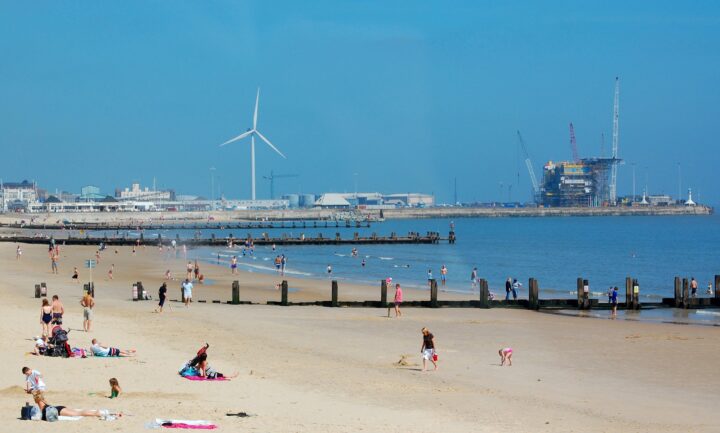
New analysis from a major UK property site looked at around 100 seaside areas across Britain, focusing on locations where at least 20 new homes had come onto the market. The results showed a clear pattern, with coastal towns consistently outperforming the wider UK market over the past year.
The UK average house price actually dipped by 0.3% year-on-year, with the average property now coming onto the market at £378,304. Against that backdrop, the strongest-growing seaside towns have seen rises of 6 to 11%, which is noteworthy. Coastal life clearly still pulls in serious buyer demand, even when the rest of the market is taking a breather.
The seaside is bouncing back for good reason.

A few different factors are driving the renewed demand for coastal homes. The transition to remote and hybrid working has made it far easier for people to live further from major city centres, which has been brilliant news for seaside towns that used to feel a bit too far for the daily commute. Plenty of buyers are now happy to live an hour or two from a city if it means waking up to sea views and morning walks on the beach.
There’s also the lifestyle factor. After several years of cost-of-living pressure, more people are choosing to relocate somewhere that feels meaningful rather than just chasing the biggest city salary. Coastal towns offer fresh air, slower pace, decent schools and a sense of community that’s much harder to find in busy urban areas. Combined with relatively affordable prices in many spots, the appeal is genuinely easy to see.
The fastest-growing seaside town in Britain might surprise you.
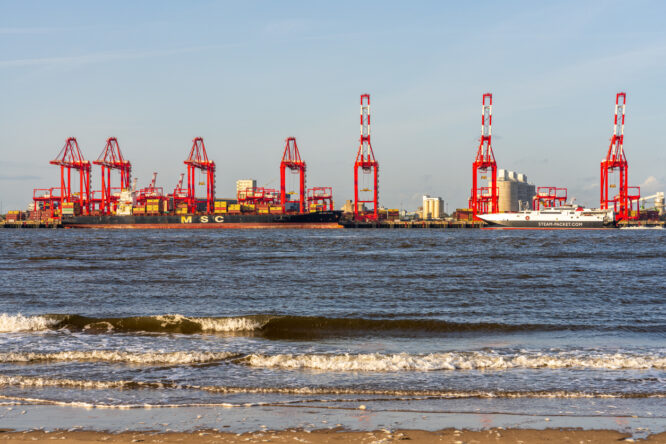
The top spot for fastest house price growth goes to Bootle in Merseyside, with average asking prices climbing 11% year-on-year. Despite the strong growth, Bootle remains seriously affordable compared with the national average, with the typical asking price still sitting at just £141,680. That’s well under half the UK average, which makes it an attractive option for buyers being priced out elsewhere.
Bootle’s appeal comes from its location just outside Liverpool, giving residents easy access to the city’s growing job market while benefiting from much cheaper housing. The town also has its own waterfront, decent transport links and a fair amount of regeneration money flowing in, all of which are helping to lift property values. For first-time buyers looking for genuine affordability with strong growth potential, it’s one of the standout spots in the country.
There are several Welsh towns climbing the rankings.
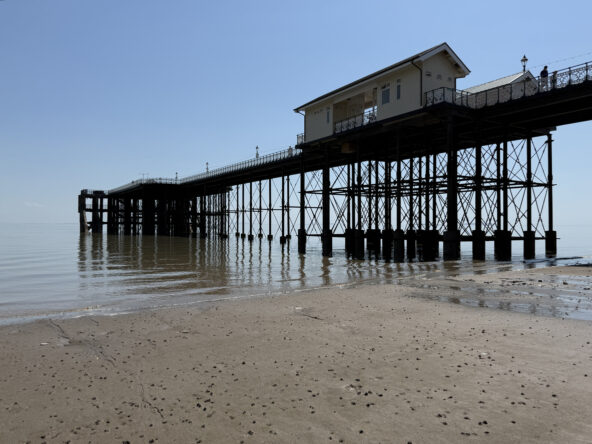
Wales has shown up strongly in the rankings, with five of the top ten fastest-growing seaside towns all sitting on the Welsh coast. Penarth, just outside Cardiff, saw prices jump by 8% to an average of £433,081. Llantwit Major, also in South Glamorgan, was up by the same 8% to £340,033. Llanelli, in Carmarthenshire, saw a 7% rise to £201,570.
Bangor in Gwynedd and Porthcawl in South Glamorgan also made the top ten, both with rises of 6 to 7%. The Welsh coast has been gradually rediscovered by buyers in recent years, with beautiful beaches, historic towns and competitive house prices all pulling in interest. The recent extension of road and rail links between South Wales and the rest of the country has also made these spots feel far more connected than they used to be.
The top 10 fastest-growing seaside towns are worth knowing about.
Here are the seaside towns where prices have risen most in the past year:
Bootle, Merseyside, up 11% to £141,680
Crosby, Merseyside, up 9% to £330,900
Penarth, South Glamorgan, up 8% to £433,081
Llantwit Major, South Glamorgan, up 8% to £340,033
Llanelli, Carmarthenshire, up 7% to £201,570
Wallasey, Merseyside, up 7% to £200,753
Bangor, Gwynedd, up 7% to £220,622
Porthcawl, South Glamorgan, up 6% to £359,412
Barrow-In-Furness, Cumbria, up 6% to £185,169
Helensburgh, Dunbartonshire, up 6% to £247,953
The seaside towns where prices have always been steep won’t come as a surprise.
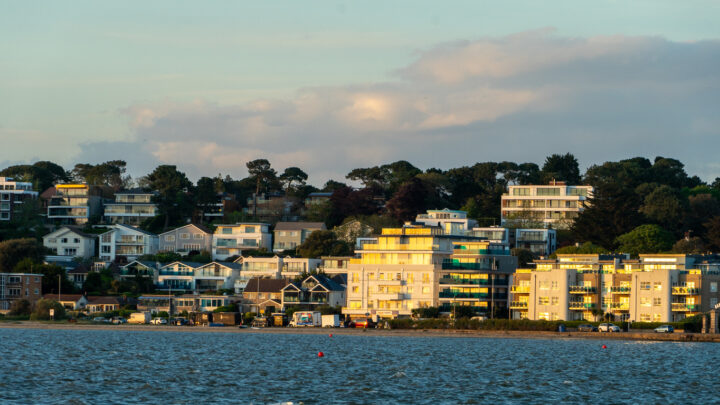
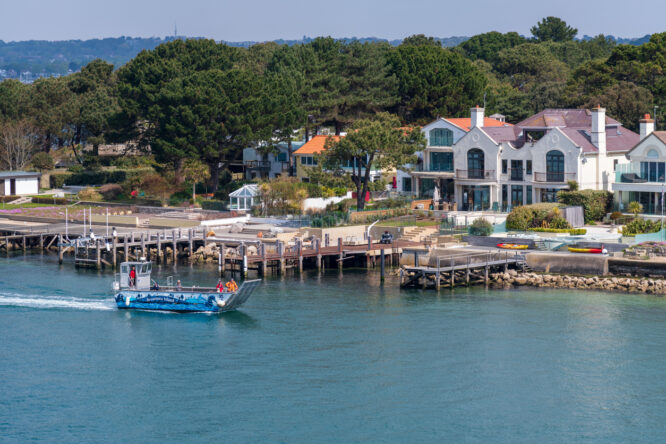
While some coastal areas remain genuinely affordable, the most expensive seaside spots in Britain are eye-watering. Sandbanks in Dorset takes the top spot once again, with average asking prices of more than £1.1 million. The famous peninsula in Poole Harbour has been one of the most expensive postcodes in the UK for years, attracting football managers, business leaders and celebrities looking for sea views and gated luxury.
Canford Cliffs, also in Dorset, sits just behind at over £1 million. The rest of the top ten is dominated by Dorset, Hampshire, Cornwall and the south coast more broadly. These towns benefit from picture-perfect harbours, top-rated schools, easy access to London and a long history of being desirable. Demand remains strong despite the high prices, since buyers know these locations rarely lose value over the long term.
The top 10 most expensive seaside spots are also predictable.
Here are the priciest seaside towns in Britain right now:
Sandbanks, Dorset, £1,119,945
Canford Cliffs, Dorset, £1,045,533
Lymington, Hampshire, £545,926
Barton on Sea, Hampshire, £496,143
Lyme Regis, Dorset, £474,417
St Ives, Cornwall, £461,959
Shoreham-By-Sea, West Sussex, £455,939
Swanage, Dorset, £455,347
Sidmouth, Devon, £450,971
Saltdean, East Sussex, £449,007
There are still plenty of genuine seaside bargains.
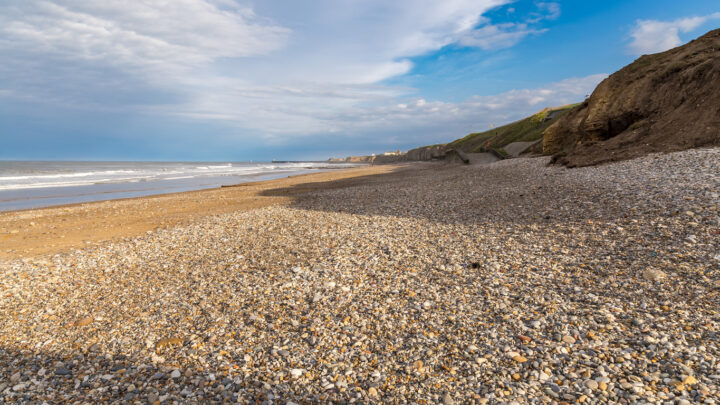
For buyers looking to live by the sea without breaking the bank, there are still plenty of seaside towns where the average asking price comes in below £160,000. Peterlee in County Durham tops the list of cheapest coastal spots, with the average asking price at just £120,657. That’s pretty remarkable in a country where the national average is more than three times higher.
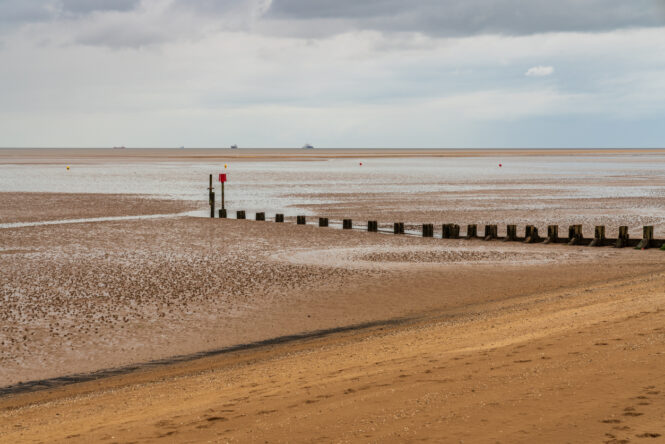
Grimsby in Lincolnshire and Ashington in Northumberland follow closely behind, both under £135,000. These towns may not have the polished postcard charm of Sandbanks or St Ives, but they offer real seaside living at a price most households can actually afford. With remote work allowing more people to settle further from city centres, plenty of these traditionally undervalued areas are starting to attract fresh interest.
The top 10 cheapest seaside towns might be worth a look if you’re in the market to buy.
Here are the most affordable coastal spots in Britain right now:
Peterlee, County Durham, £120,657
Grimsby, Lincolnshire, £133,706
Ashington, Northumberland, £133,775
Bootle, Merseyside, £141,680
Blackpool, Lancashire, £142,277
Fleetwood, Lancashire, £147,910
Birkenhead, Merseyside, £148,942
Workington, Cumbria, £155,013
Ayr, Ayrshire, £157,754
Seaham, County Durham, £157,994
What this all means for buyers
For anyone thinking about buying a coastal home, the current market is showing one really clear pattern. Affordability and growth often go hand in hand at the seaside. Some of the fastest-growing markets, like Bootle, Llanelli and Wallasey, are also among the most affordable in the country. That combination of low entry prices and rising values is attractive for first-time buyers and those looking for solid long-term investment potential.
The same trend shows that buyers don’t need a six-figure deposit to get a foothold by the sea. Around 80% of the coastal areas analysed have average asking prices below the national figure, with plenty of properties available for under £200,000. Knowing where to look, and being open to towns beyond the famous south coast hotspots, is what separates a clever coastal buy from an overpriced one.
What to think about before buying a seaside home

Living by the sea isn’t quite the dream it might look like in summer. Coastal properties can be hit harder by storms, sea air, salt damage and erosion than inland homes, so it’s worth getting a thorough survey before you buy. Insurance can also be higher in flood-risk areas, particularly for ground-floor flats and homes close to the seafront.
It’s also worth checking the off-season character of any town you’re considering. Seaside spots that feel buzzing in July can become genuinely quiet in November. For some buyers, that’s the appeal, but for others it can feel isolating. Spending time visiting in both summer and winter, and talking to people who actually live there year-round, is the smartest way to make sure the move suits the life you actually want.
Coastal homes still hold their value.

Even in a softer national market, seaside homes have a long history of holding their value. Demand for coastal living tends to stay strong across economic cycles, partly because there’s a fixed supply of waterfront homes and partly because the lifestyle appeal doesn’t really go away. People will always want fresh air, sea views and the sound of waves outside the window.
For buyers thinking about the long term, that resilience matters. Whether you’re going for a modest terraced house in Merseyside or a luxury home on the Hampshire coast, seaside properties tend to attract steady interest decade after decade. With remote working continuing to reshape where people choose to live, coastal towns look set to remain one of the most consistently desirable corners of the UK property market for years to come.